Trekking into 6000 climbable peaks in India for the Higher Altitude Wilderness
Trekking into 6000 climbable peaks in India for the Higher Altitude Wilderness
18
Jul

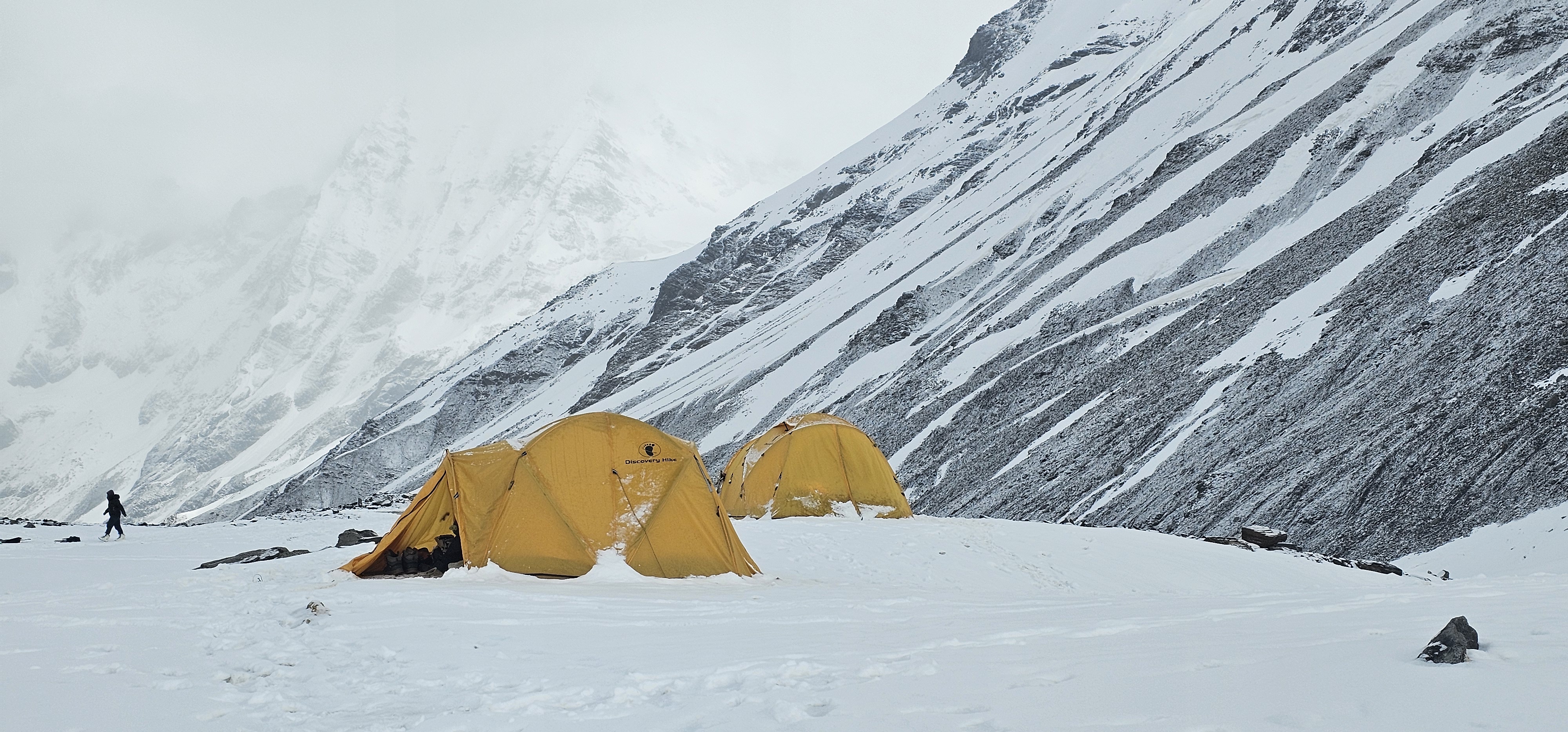
The Indian Himalayas are home to this staggering pile of peaks. The Indian Mountaineering Foundation (IMF) recognizes over 6,000 climbable, or trekking peaks across Jammu & Kashmir, Ladakh, Himachal Pradesh, Uttarakhand and Sikkim and it’s a lot. For the modern adventurer this huge playground still feels like a kind of rite of passage, moving from high altitude treks into proper alpine mountaineering, not just the easy stuff.
When you step past the tree line into permanent snow and thin air, it is this big change. You have to shift away from well-worn trails, toward more technical lines, where specialized equipment like crampons, ice axes, and roped team travel becomes basically required.
Out of those thousands of summits, three different peaks seem to stand out as real milestones for climbers who are testing their own limits. They run from the beginner snow slopes of Friendship Peak to the brutal trans-Himalayan scree of Yunam Peak, and then finally to the technical ice walls of Black Peak, (Kalanag) .
|
Peak |
Location |
Altitude |
Grade |
Best Time |
|
Garhwal Himalayas, Uttarakhand |
20,955 ft. |
Moderate to Difficult |
May - June & Sept - Oct |
|
|
Pir Panjal Range, Himachal Pradesh |
17,352 ft. |
Moderate to Difficult |
July & August |
|
|
Lahaul & Spiti, Himachal Pradesh |
20,100 ft. |
Moderate |
June - September |
Tucked into the jaw-dropping Solang Valley near Manali, Friendship Peak feels a bit like that nice bridge between a trekker and a climber. It stays just off the 6,000-meter line, but the classic alpine approach keeps insisting it’s the real proving ground for learning mountaineering basics, not just looking up at mountains and thinking you can handle it.
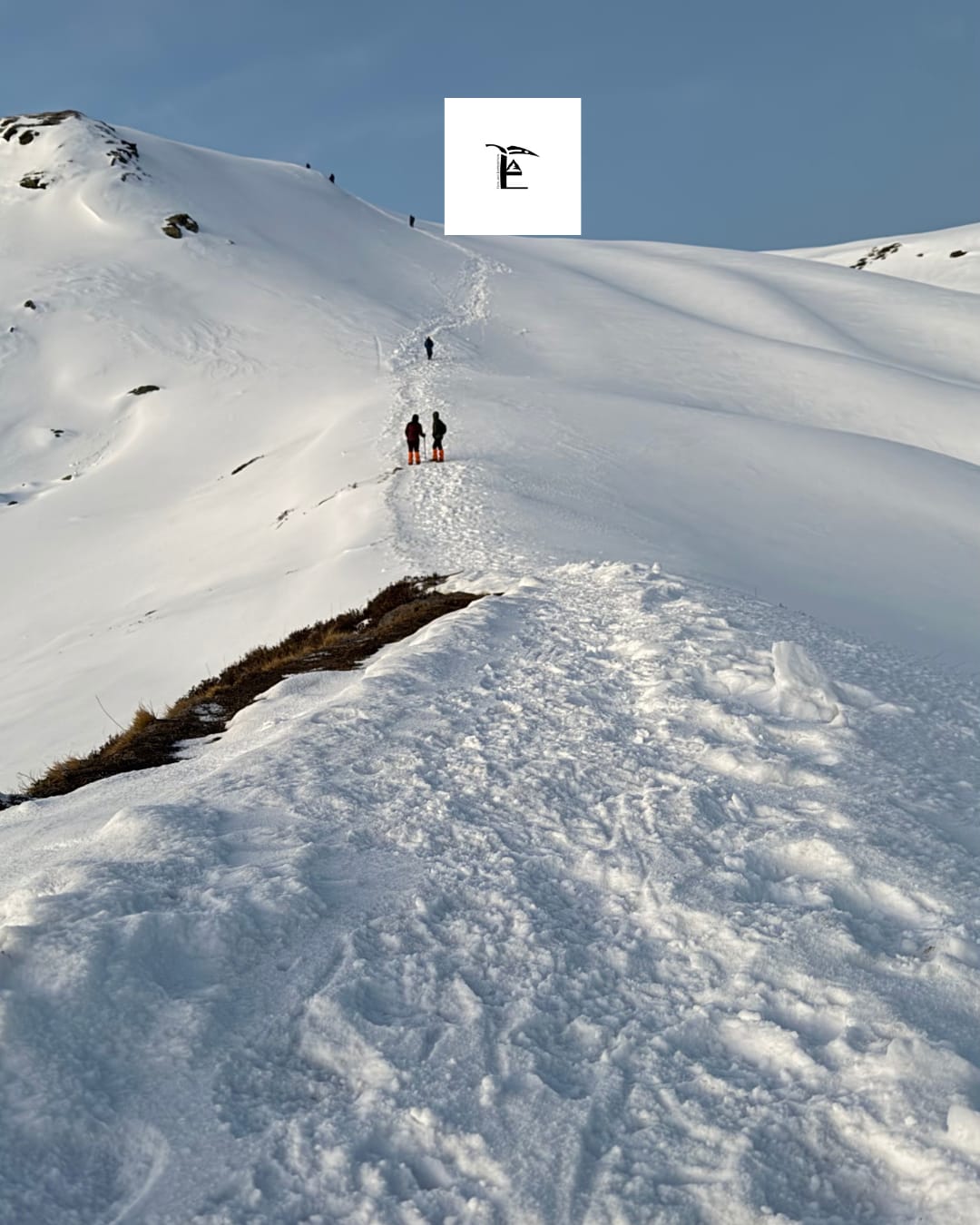
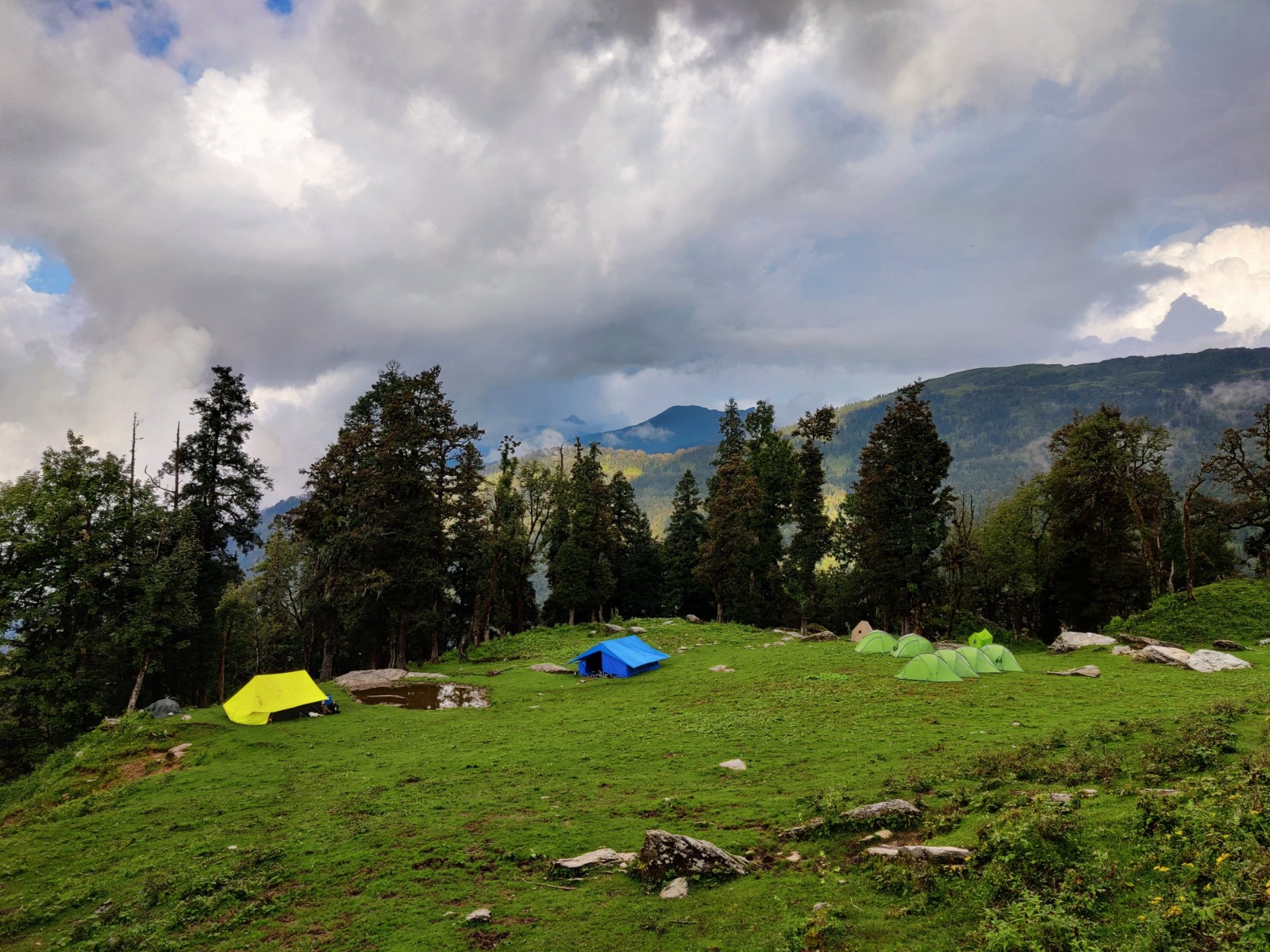
The climb starts from Dhundi and meanders through pine and oak forests, then slowly opens out into the bright alpine meadows of Bakarthach (3,300 m). After that, as you climb toward the advanced base camp which is Lady Leg (3,900 m) because of the ridge shape, the whole scene changes fast, from green softness to a harsher world of moraine and also those lateral glacial stretches that look way more serious up close.
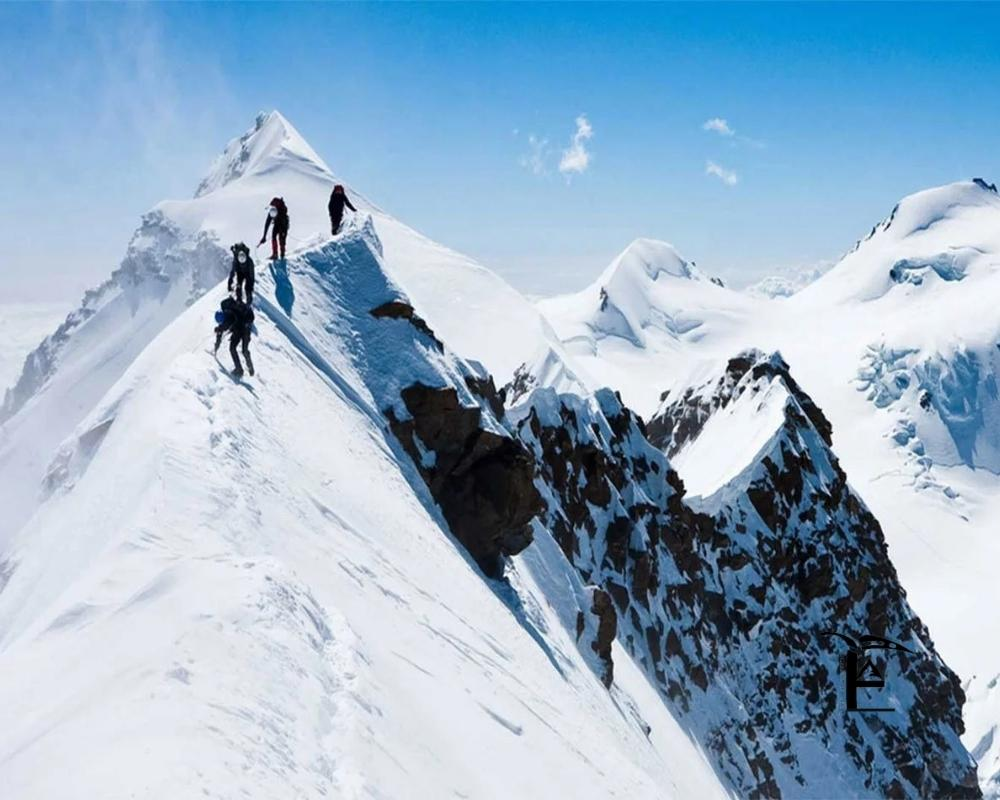
Friendship Peak is often praised because it lets groups set up a dependable base camp, so you can spend full days working on snow craftsmanship, in a very practical way. You get to learn how to step onto crampons, practice self-arrest with an ice axe and lock in the steady roped travel.
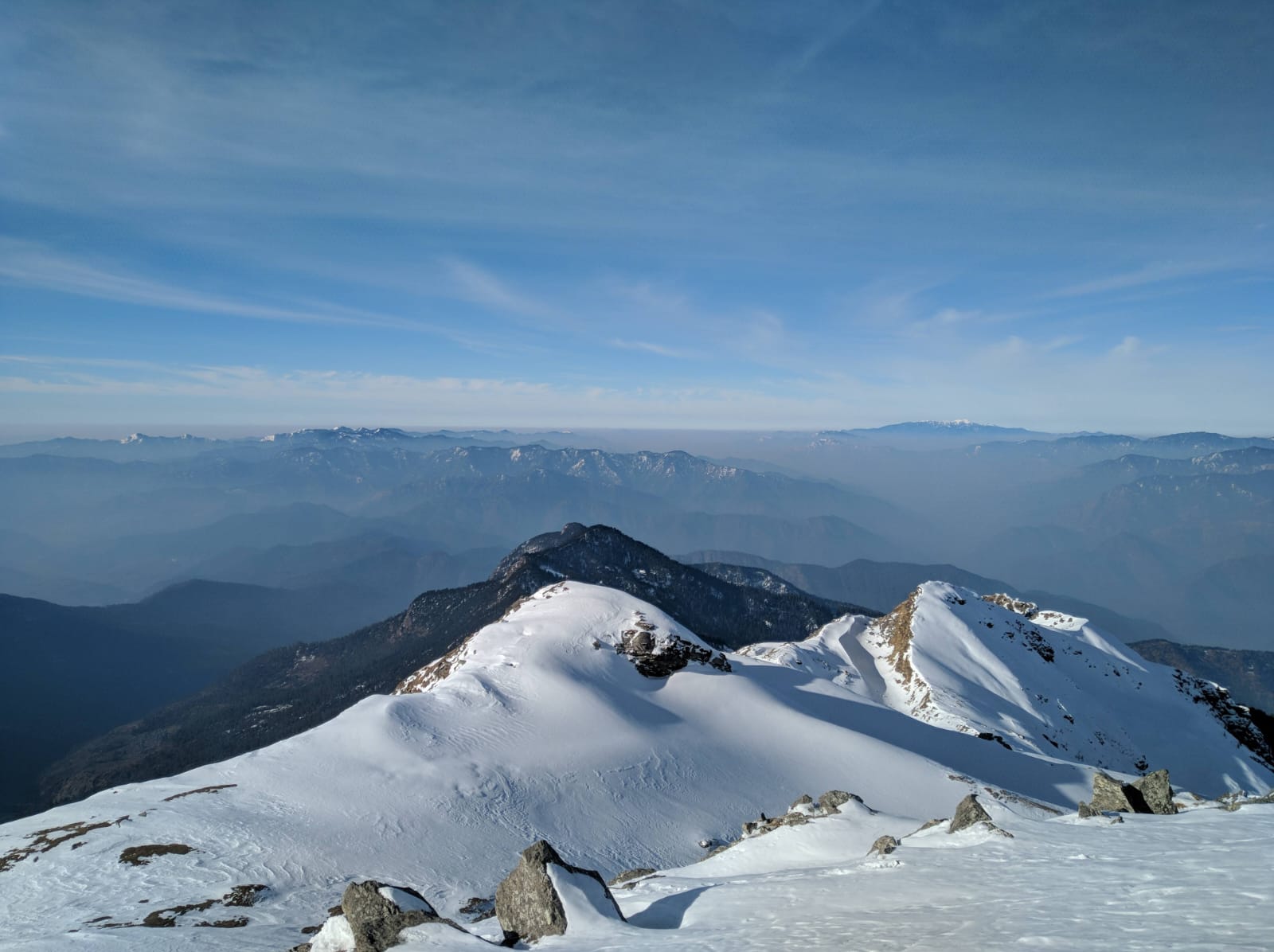
From there, the final summit move starts in the freezing dark, around midnight. You’ll cross snow slopes with inclines roughly between 35 and 45 degrees, nothing too gentle about it. The best part comes at the end, because right near the top there’s a narrow summit ridge traverse, super exhilarating, and it gives you panoramic views of Hanuman Tibba, and the Seven Sisters too.
Season choice changes this peak in a big way. May and June usually bring thick consolidated snow, so the kick-steps feel smoother, more predictable. But by September and October the snow pulls back and you meet hard, unforgiving blue ice instead, so you’ll need sharp crampons and you’ll also want noticeably higher physical stamina.
If Friendship Peak is kind of an introduction to snow, Yunam Peak is this brutal check on lungs , and pure physical endurance. Found in the cold, rain-shadow desert area of the Lahaul region near the well-known Baralacha La pass, Yunam ends up being one of the most unusual six-thousanders in India.
Unlike those greener stretches in Garhwal, or certain southern Himachal belts, Yunam feels more harsh, like a Martian kind of elegance that you basically can’t brush off. You know the base camp at Bharatpur (4,500 m) is right by the Leh-Manali highway. Since the drive puts you pretty quickly into altitude, acclimatization becomes your main and only job. The air feels crisp and dry, also carrying this particular note like ozone mixed with cold stone.
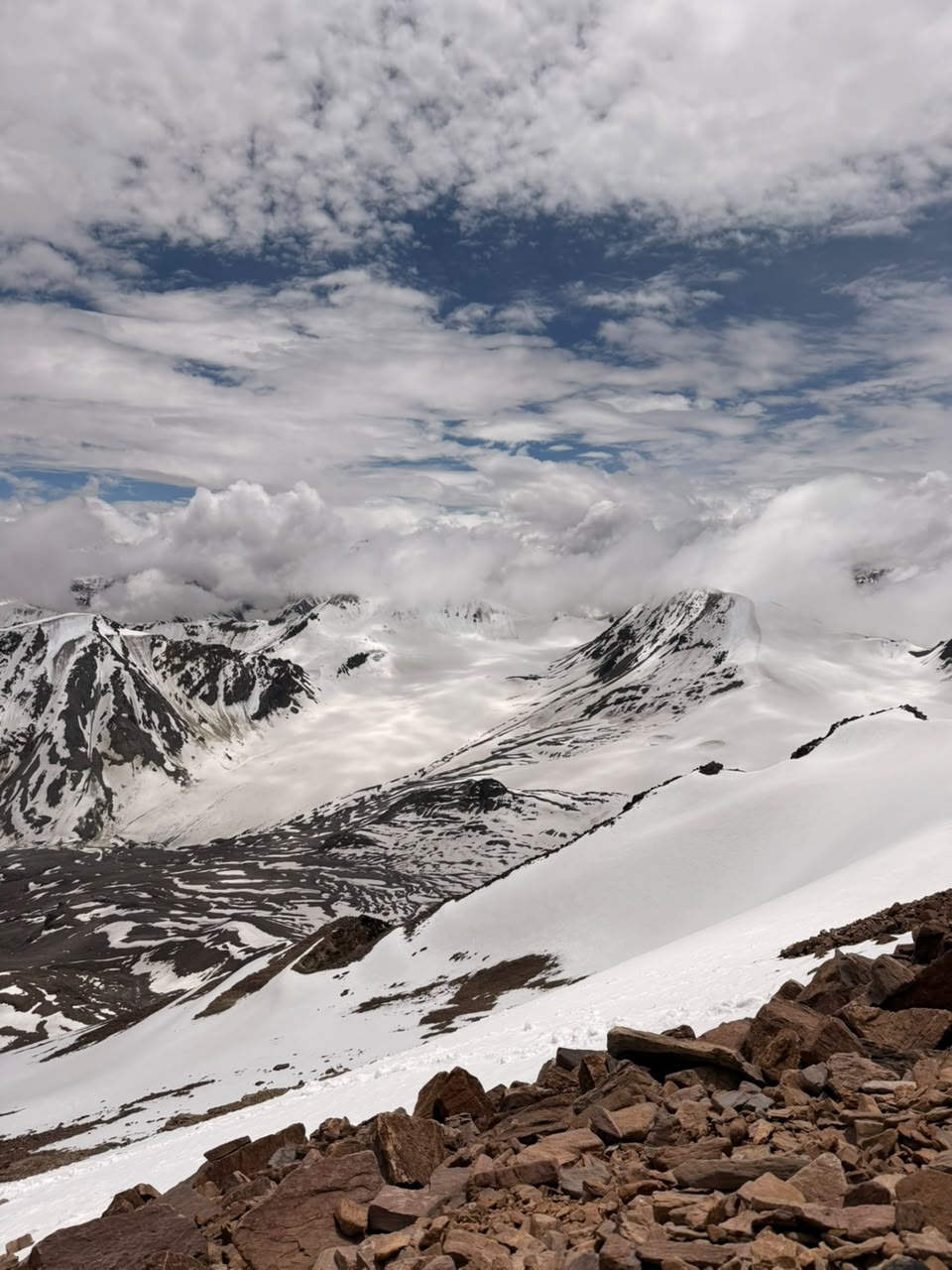
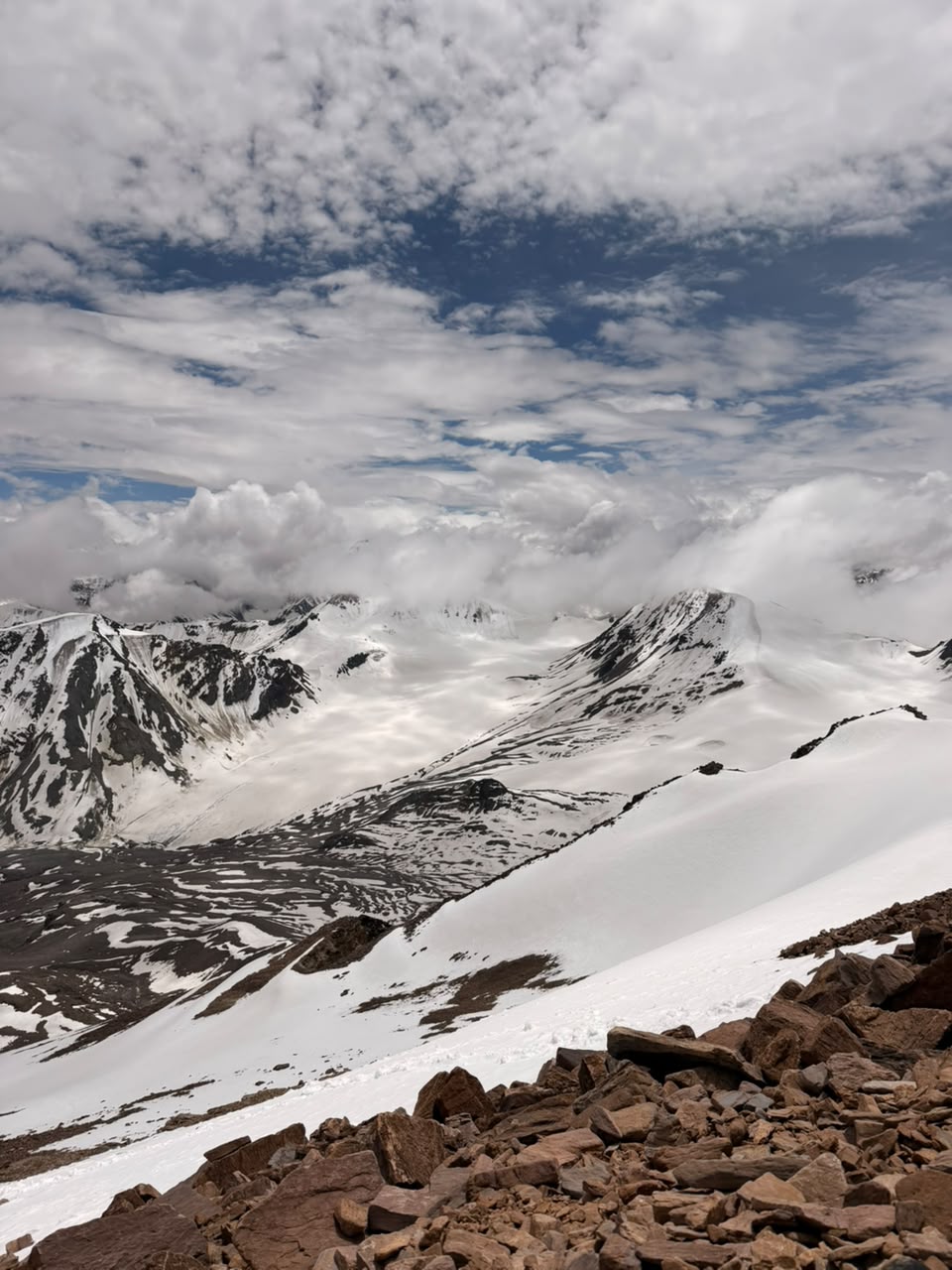
What really sets Yunam apart is that there isn’t much involved in complex, technical glacier navigation. It looks manageable, but in practice it’s a hard vertical slog. The whole mountain is basically a huge steep pyramid made of loose rock, moraines, and deep scree patches. For the summit push you climb through steep chimneys filled with loose stone and every couple of steps forward can easily become one step sliding back, even when you think you’ve timed it right.
And then, add the Trans-Himalayan winds that howl nonstop, plus temperatures that regularly fall beyond low temperature. So Yunam basically insists on strong cardiovascular fitness just to cope with the rarefied air. When you finally top out, the reward is unmatched: a full panorama of the Chandra-Bhaga (CB) range with the clouds drifting far beneath you, like you’re above them rather than simply looking across.
For anyone feeling ready for a real technical expedition type of climbing, Black Peak expedition locally called Kalanag, because it looks so much like the hood of a black cobra. It stands tall in the Govind Pashu Vihar National Park of Uttarakhand, and it is also the highest point in the famous Bandarpoonch massif.
The push toward Black Peak is a big 15-day struggle, it starts right from the lovely trekking base at Sankri. The approach alone is an unforgettable thing, it threads through the clean alpine forests of the Ruinsara Valley, then it slides past the sacred, glass-like waters of Ruinsara Tal (3,500 m). After that, you finally reach the untouched meadows at Kyarkoti Base Camp (3,820 m), and you can almost feel the air change.
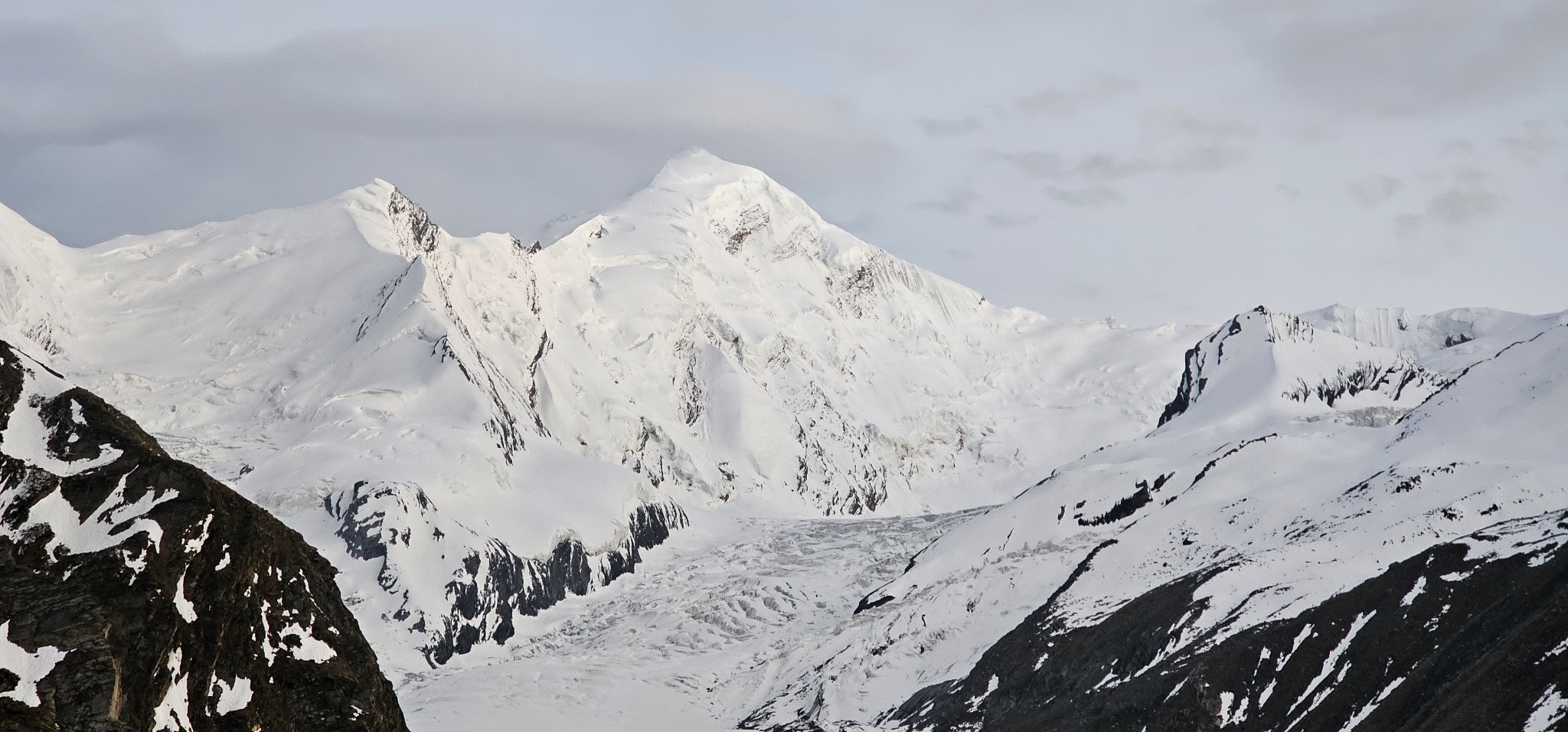
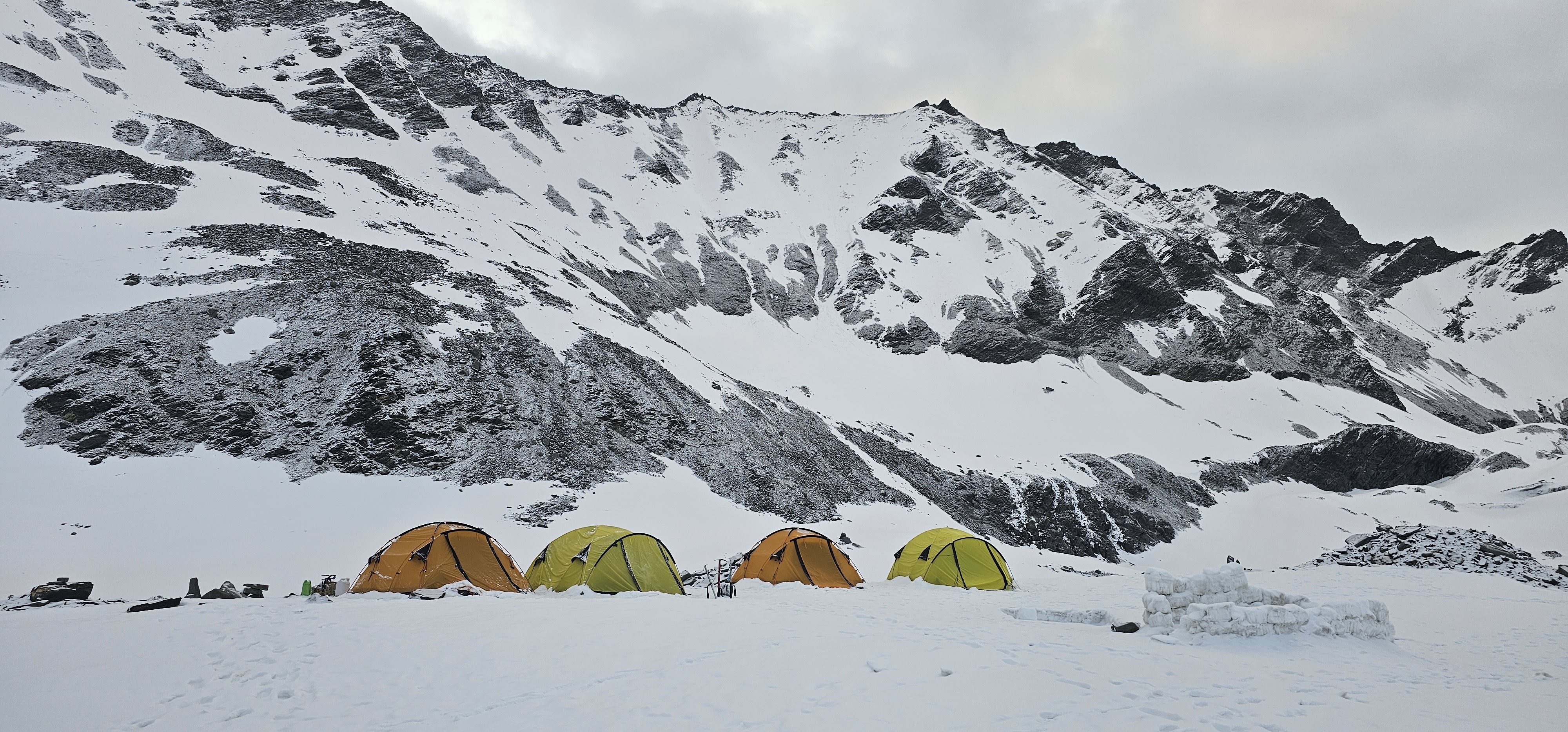
Black Peak isn't really a casual climb, more like a serious multi-camp venture that demands advanced alpine know-how, the right sort of load carrying or load ferrying procedures, and honestly quite a bit of brain toughness. The real climbing starts up above Camp 1 (4,600 m) where the route begins getting entangled with heavily crevassed glaciers.
The defining moment of the Kalanag expedition is waiting just under the summit plateau, it’s kind of hard to ignore once you’re there:
The 75-Foot Vertical Ice Wall: A near 70 degree wall of firm snow and ice, and it really demands anchors, jumar ascenders and clean, steady front-pointing technique.
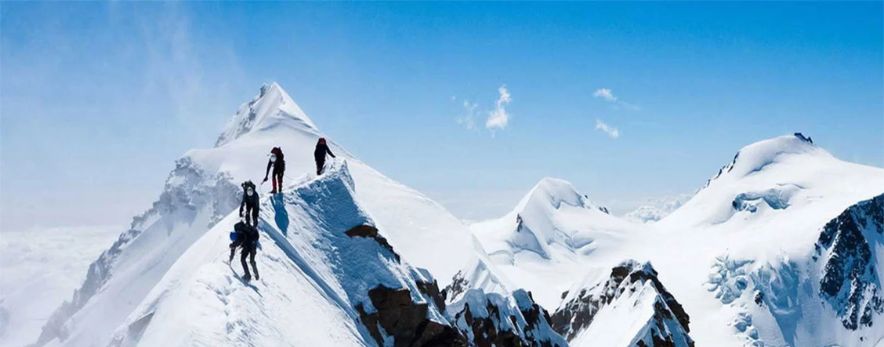
The Summit Plateau: You kind of have to get across the last massive crevasse, then you move through high-exposure snow ridges, and only then you can step onto that flat windswept summit plateau, which feels unreal.
Experience: Standing at 20,955 ft you get this amazing close-up view of the jagged ridges of Swargarohini and Bandarpoonch as well.
In India, if you want to take on a designated mountaineering peak, you do need clearance from the Indian Mountaineering Foundation (IMF) which is basically the national authority for alpine sports, so yes it’s not just a go ahead kind of thing.
Peak Booking: First, you register your expedition online via the official IMF portal well ahead of time. Not last minute, because they do review.
Permit Fees: The costs depend on the peak’s height and how it’s categorized by region. For open 6,000m peaks such as Yunam or Black Peak, you usually pay the standard booking fee, and there is also a refundable security deposit, which is meant to secure environmental compliance.
Liaison Officer (LO): For technical climbs, or for those really remote ascents, the IMF can also assign a Liaison Officer. This person tends to stay with your group to make sure safety protocols and environmental guidelines are actually followed, properly.
For the climbing permit, each expedition member need to submit, basically:
Medical Fitness Certificate: a complete health clearance form signed by a registered medical practitioner, and it has to state that cardiovascular stability is in place also lung capacity is reliable, clearly enough.
Mountaineering Insurance: you must hold specialized high-altitude coverage, including search and rescue, and helicopter evacuation too, up to 6,500 meters.
Climbing Resume: You’ll need proof of prior high-altitude experience. While Friendship Peak is kind of an introductory climb, technical peaks like Black Peak often ask for evidence of a basic mountaineering course (BMC) or successful ascents above 5,000 meters, before they approve anything.
Once you step onto the upper sections of a six-thousander, the margin for error kind of shrinks to nothing. Safe mountaineering, really comes down to proactive risk management, not heroics
At 6,000 meters you’re basically working with about half the atmospheric pressure you’d see at sea level.
The Golden Rule: don’t keep climbing higher if you start noticing mild AMS signs like a pulsing headache or a kind of lightheadedness.
The Dangerous Signs: stay sharp about HAPE (High Altitude Pulmonary Edema—an ongoing cough, major breathlessness even while you’re just lying there ) and HACE (High Altitude Cerebral Edema—confusion, poor coordination or shaky balance, and slurred speech). For HAPE and HACE, the only real cure is immediate descent. And yes, on remote 6,000m expeditions you should always bring emergency oxygen, plus a hyperbaric chamber.
Objective Dangers: Alpine terrain is never truly static. Start the summit push somewhere in the gap of 11:00 PM - 2:00 AM so you can move through snow slopes, couloirs, and ice walls. The cold night air helps keep the whole thing more stable, and yeah freezing temperatures do matter. After sunrise, when the sun is up at that angle the risk profile shifts, rockfall, serac collapse and avalanches start ticking upward pretty fast.
Hydration and Fuel: Dehydration kinda drags altitude sickness along with it. You’ll want to keep nudging yourself to drink around 4 to 5 liters of fluids per day (water electrolyte mixes, clear soups). At the high camps, your metabolic engine really revs so bring calorie dense snacks that won’t just turn into hard little blocks, like nuts, energy gels, dried fruit and similar stuff.
Trying to reach the summit of one of the thousands of climbable peaks in the Indian Himalayas, is a life-changing type of milestone. Either way you go snow slopes on Friendship Peak, the jagged scree of Yunam, or those more technical ice walls on Black Peak there’s this real feeling of humility and achievement, almost all at once, even if it takes time to sink in.
When you are planning your expedition, remember that getting to the summit is only half of the story. The real victory is to manage to return safely, leaving the routes a bit cleaner than you found them, and giving a gentle, attentive respect for the remarkable but quite delicate high Himalayas environment. The peaks are waiting, training hard, preparing thoroughly, and climbing safely. If you want to get a visual sense of the grit, the training, and that raw endurance you need just to stand on these extreme Himalayan ridges, you can watch the IMF Mountain Film Festival Preview. It puts focus on the patience and the mental strength required to push across tough alpine terrain in the Indian mountains.