Why Black Peak Expedition Is One of the Best Expeditions in India
Why Black Peak Expedition Is One of the Best Expeditions in India
19
Jul

The Black Peak Expedition, also known as the Kalanag Peak Expedition, is one of the most rewarding mountaineering adventures in the Indian Himalayas. Rising to an impressive 6,387 meters (20,955 ft) in Uttarakhand's Govind Wildlife Sanctuary, Black Peak offers climbers the perfect combination of technical challenge, breathtaking scenery, glacier travel, and a true Himalayan expedition experience.
Unlike many commercial trekking peaks, Black Peak provides a genuine alpine climbing adventure while remaining achievable for experienced trekkers and aspiring mountaineers. Whether you're preparing for higher Himalayan expeditions or looking to summit your first 6,000-meter peak, Black Peak delivers an unforgettable journey.
| Feature | Details |
|---|---|
| Peak Name | Black Peak (Kalanag) |
| Height | 6,387 m (20,955 ft) |
| Location | Uttarkashi, Uttarakhand |
| Region | Garhwal Himalayas |
| Expedition Duration | 12–15 Days |
| Difficulty | Moderate to Difficult |
| Best Season | May–June & September–October |
| Base Camp | Ruinsara Tal Region |
| Technical Grade | Alpine Snow & Ice Climbing |
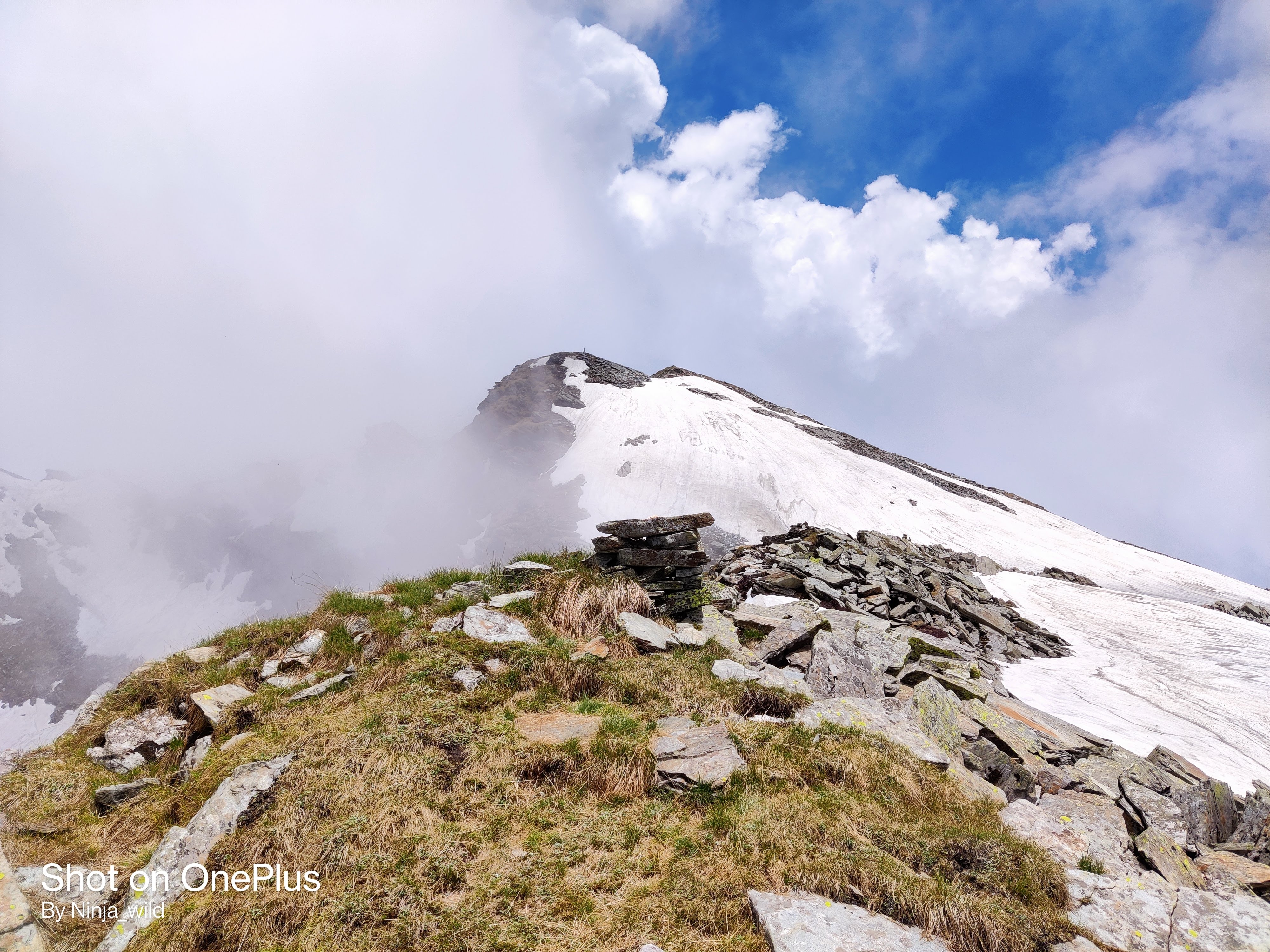
The mountain gets its name from its dark rocky summit that resembles the hood of a black cobra. "Kala Nag" literally means Black Cobra in Hindi. From a distance, the summit appears like a giant snake rising above surrounding glaciers, making it one of the most distinctive peaks in the Garhwal Himalayas.
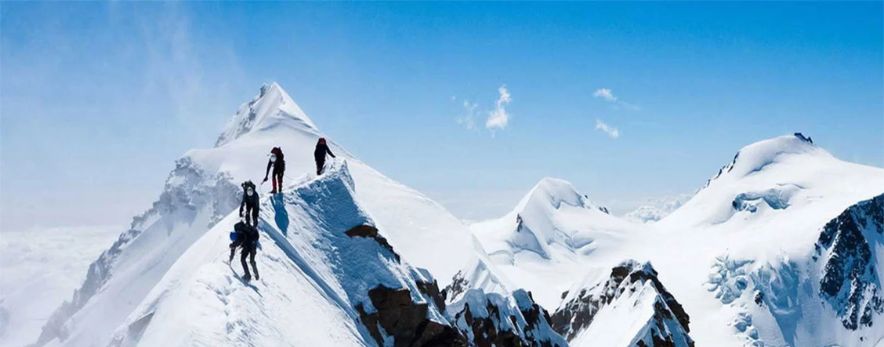
Black Peak offers nearly every aspect of Himalayan climbing:
For climbers wanting to experience a real Himalayan expedition before attempting peaks above 7,000 meters, Black Peak is one of the best training grounds in India.
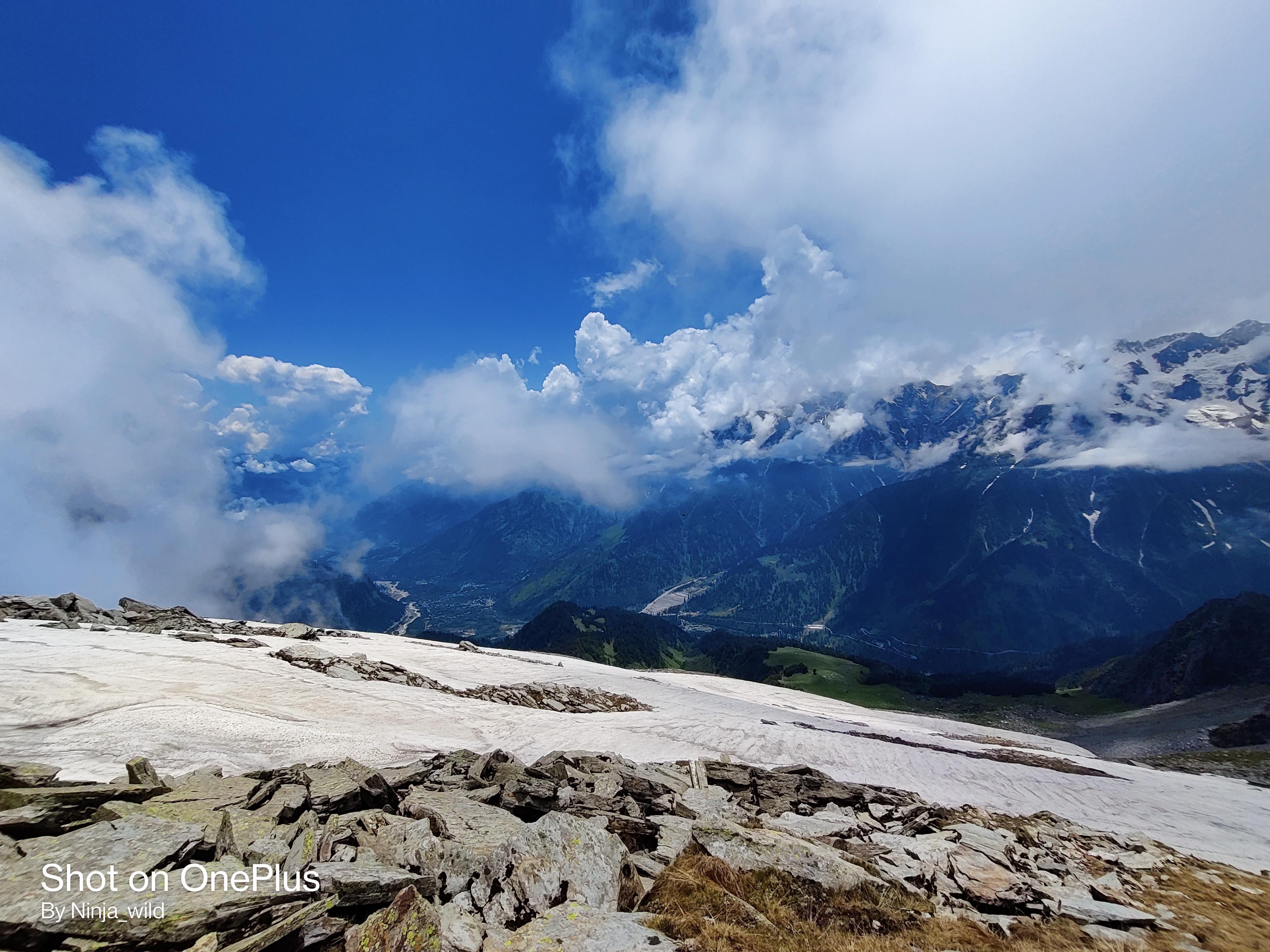
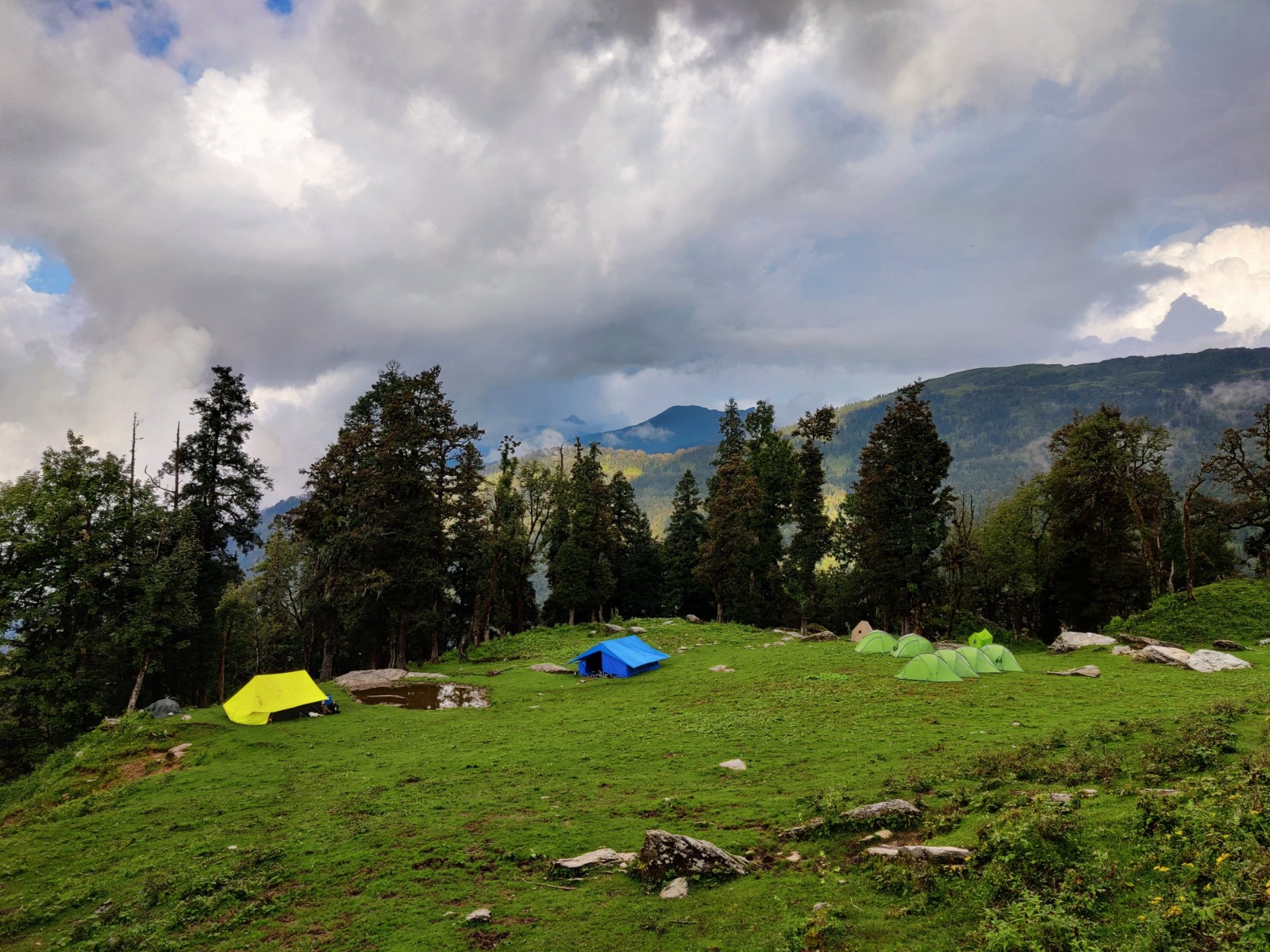
The route to Black Peak passes through some of Uttarakhand's most beautiful alpine landscapes.
Highlights include:
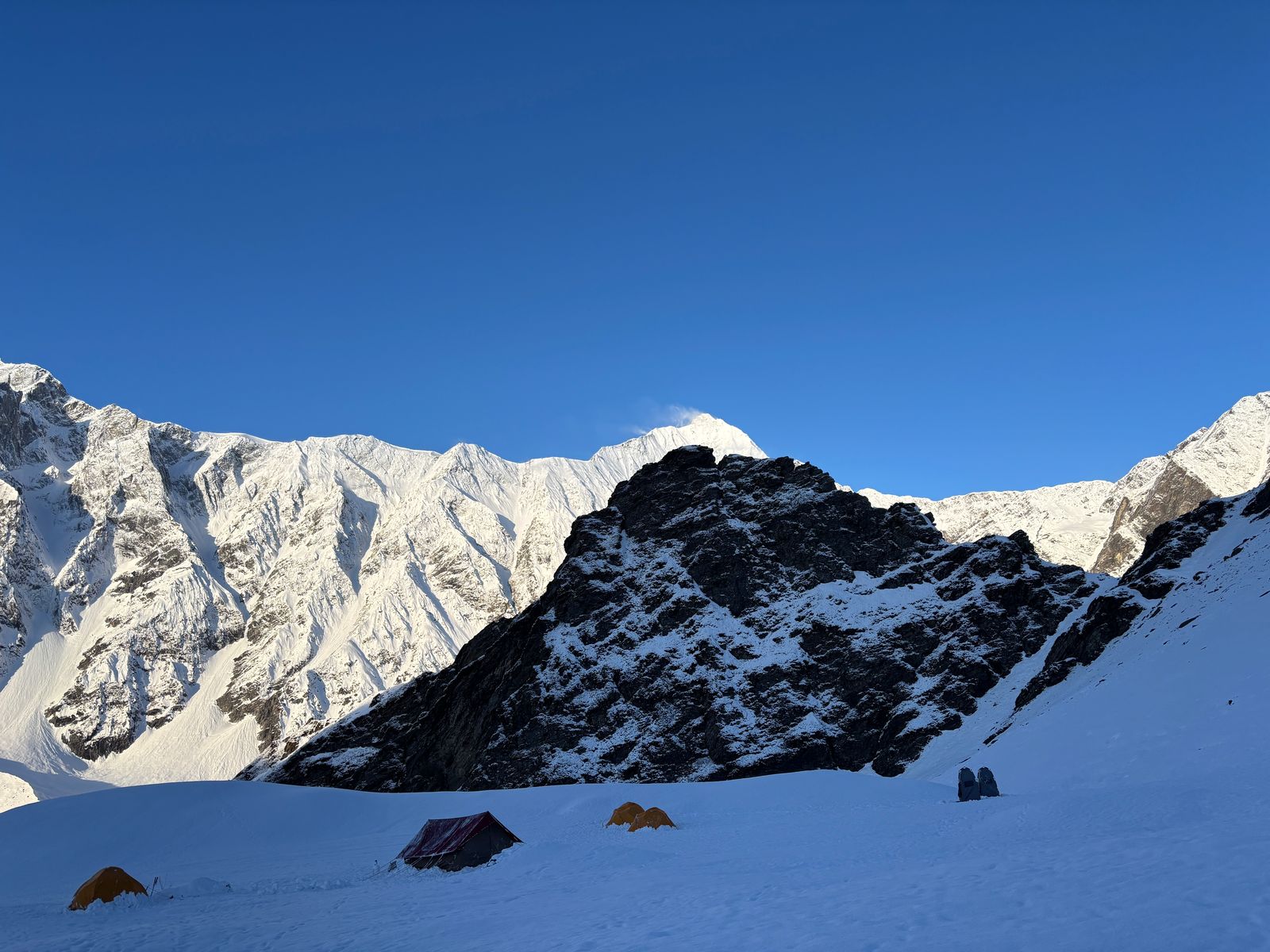
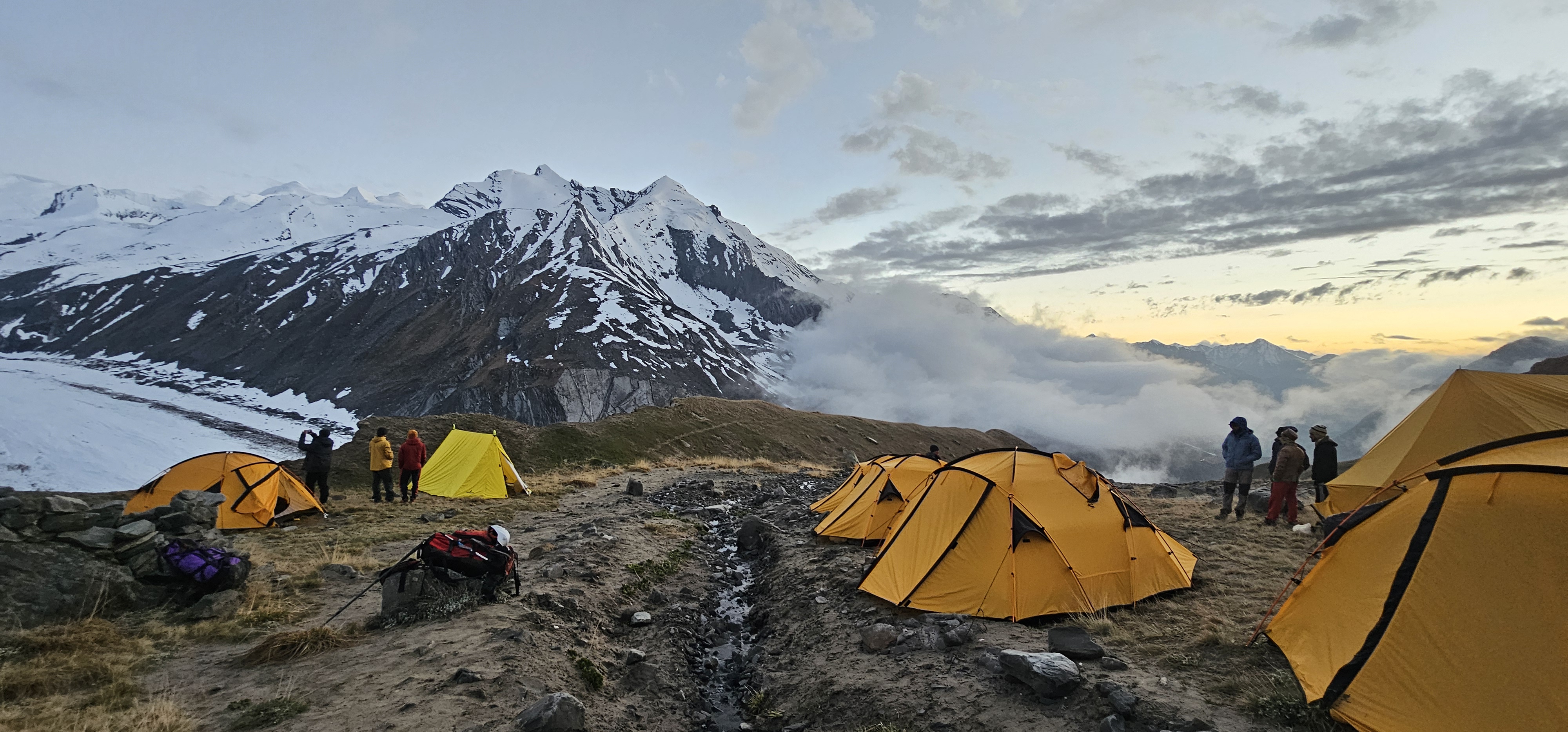
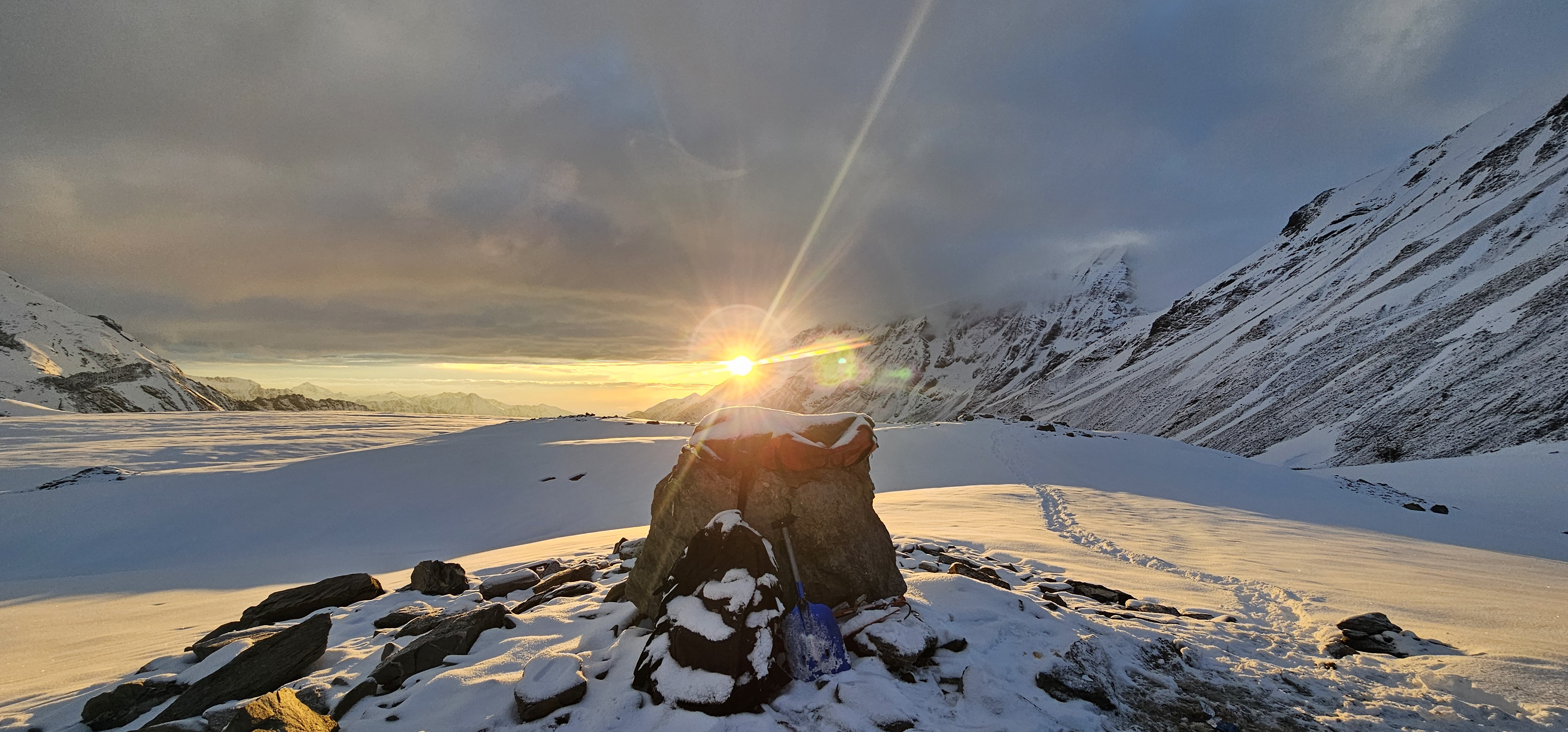
During sunrise and sunset, the surrounding peaks glow in shades of orange and gold, creating unforgettable views.
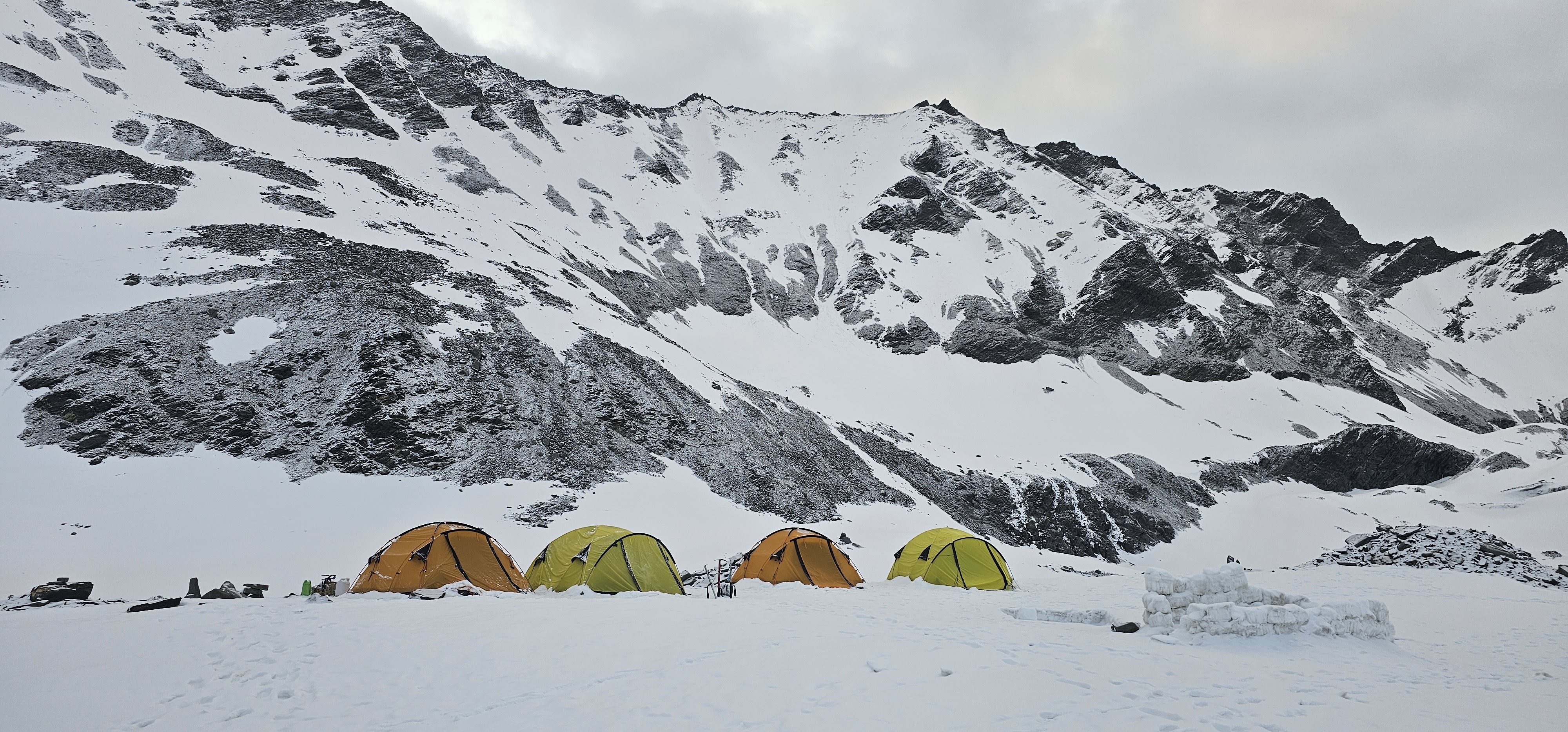
Many climbers consider the Black Peak Base Camp among the most scenic in India.
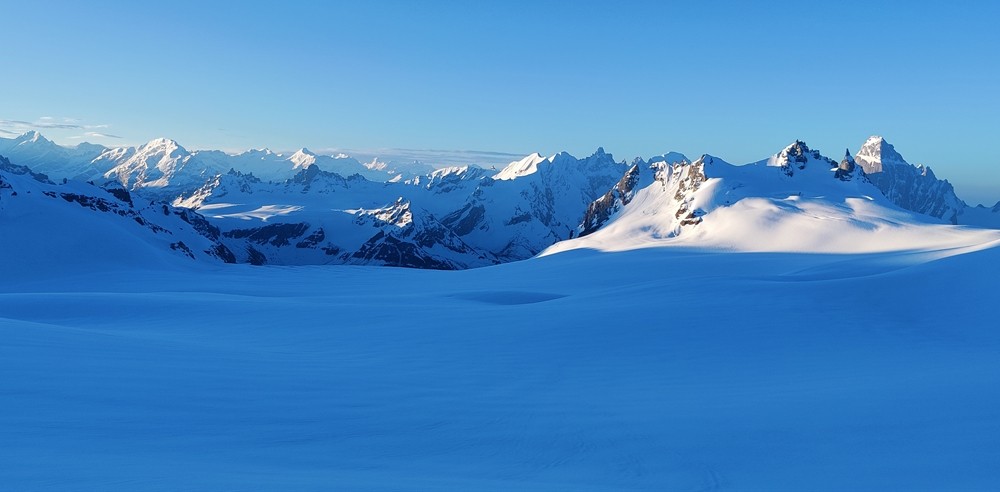
From here, you'll enjoy views of:
Camping under a sky filled with stars while surrounded by towering snow peaks is a truly memorable experience.
Unlike extremely technical Himalayan expeditions, Black Peak provides an excellent progression for climbers who have completed:
It allows climbers to gain confidence in glacier travel, rope work, and summit climbing.
One of the biggest reasons Black Peak is so popular is its balance between difficulty and accessibility.
The expedition demands:
However, with proper preparation and guidance, many experienced trekkers successfully reach the summit.
Compared to famous peaks such as:
Black Peak remains relatively uncrowded.
This provides:
Many climbers use Black Peak as preparation for larger Himalayan expeditions like:
The expedition teaches valuable skills that are essential for future mountaineering objectives.
The lower sections of the expedition pass through Govind Wildlife Sanctuary, home to diverse Himalayan flora and fauna.
You may spot:
Nature lovers will appreciate the rich ecosystem surrounding the climbing route.
Standing on the summit of Black Peak is an unforgettable reward.
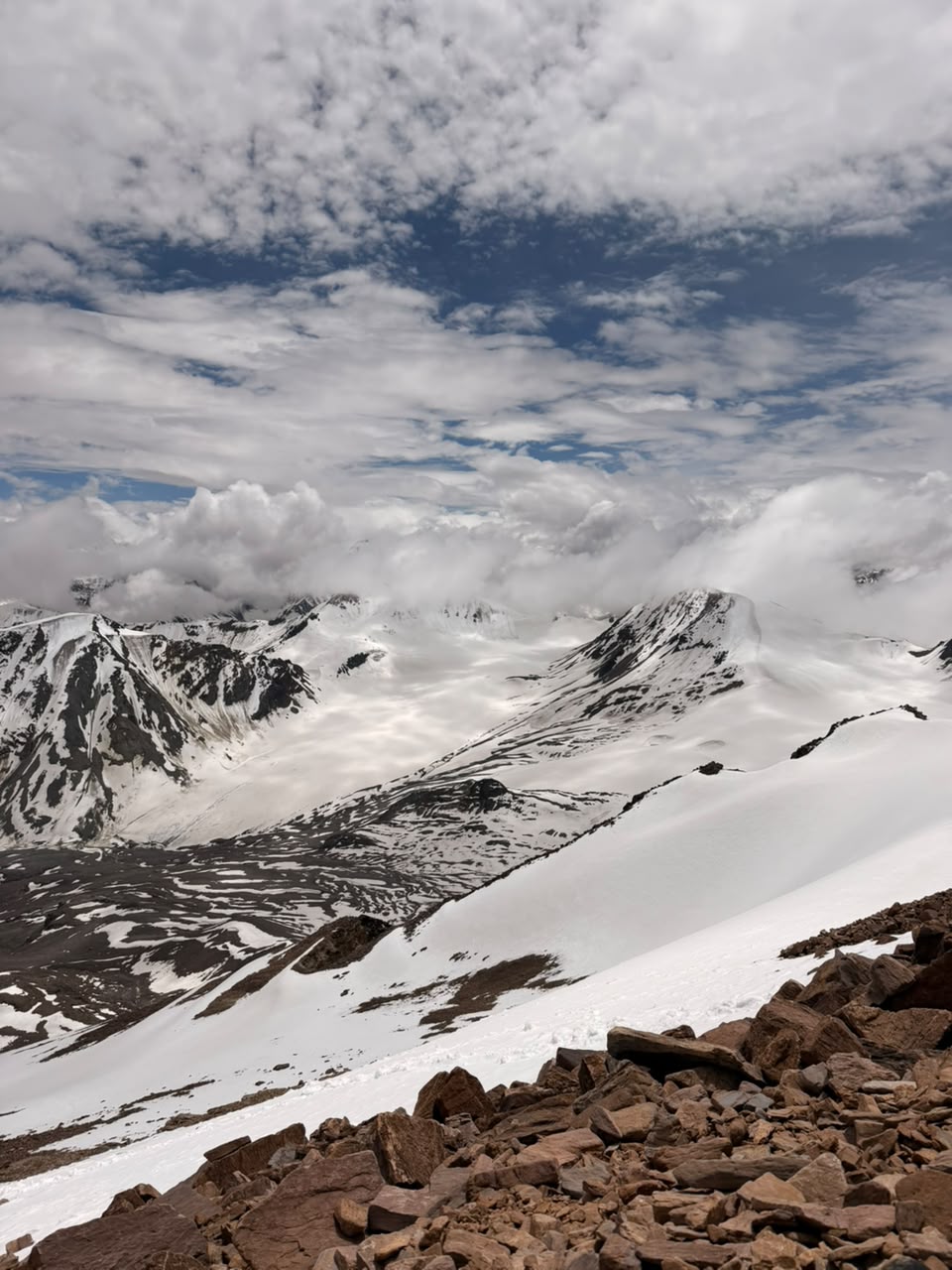
On a clear day, climbers can witness panoramic views of:
The feeling of reaching over 6,300 meters after days of climbing is truly extraordinary.
The Black Peak Expedition combines several experiences in one journey:
Very few expeditions in India offer such a complete adventure.
Black Peak is considered a moderate to difficult expedition.
Challenges include:
Proper acclimatization and experienced guides are essential.
Participants should ideally be able to:
Preparing 8–12 weeks before the expedition significantly improves your chances of a successful summit.
Carry quality mountaineering equipment, including:
Many expedition operators provide technical gear such as ropes, harnesses, crampons, and helmets—confirm what's included before your trip.
India's Himalayas offer no shortage of high-altitude adventures — from the popular trails of Stok Kangri to the glacier-laced routes of Kedarnath Dome. But among seasoned trekkers and aspiring mountaineers, one peak keeps rising to the top of the wish list: Black Peak, also known as Kalanag, standing at 6,387 meters (20,955 feet) in the Garhwal Himalayas of Uttarakhand.
If you're weighing your options for your next big climb, here's why Black Peak deserves serious consideration over other Indian expeditions.
Kalanag means "Black Cobra" in the local dialect — a name earned from the mountain's distinctive silhouette. Its steep northern slope resists snow accumulation, leaving a dark, serpent-like face that stands out dramatically against the surrounding snow-capped range. Local folklore even ties the peak to the serpent Kaliya from Hindu mythology, adding a layer of cultural richness that few other expeditions can match. Climbing Black Peak isn't just a physical challenge — it's a walk into legend.
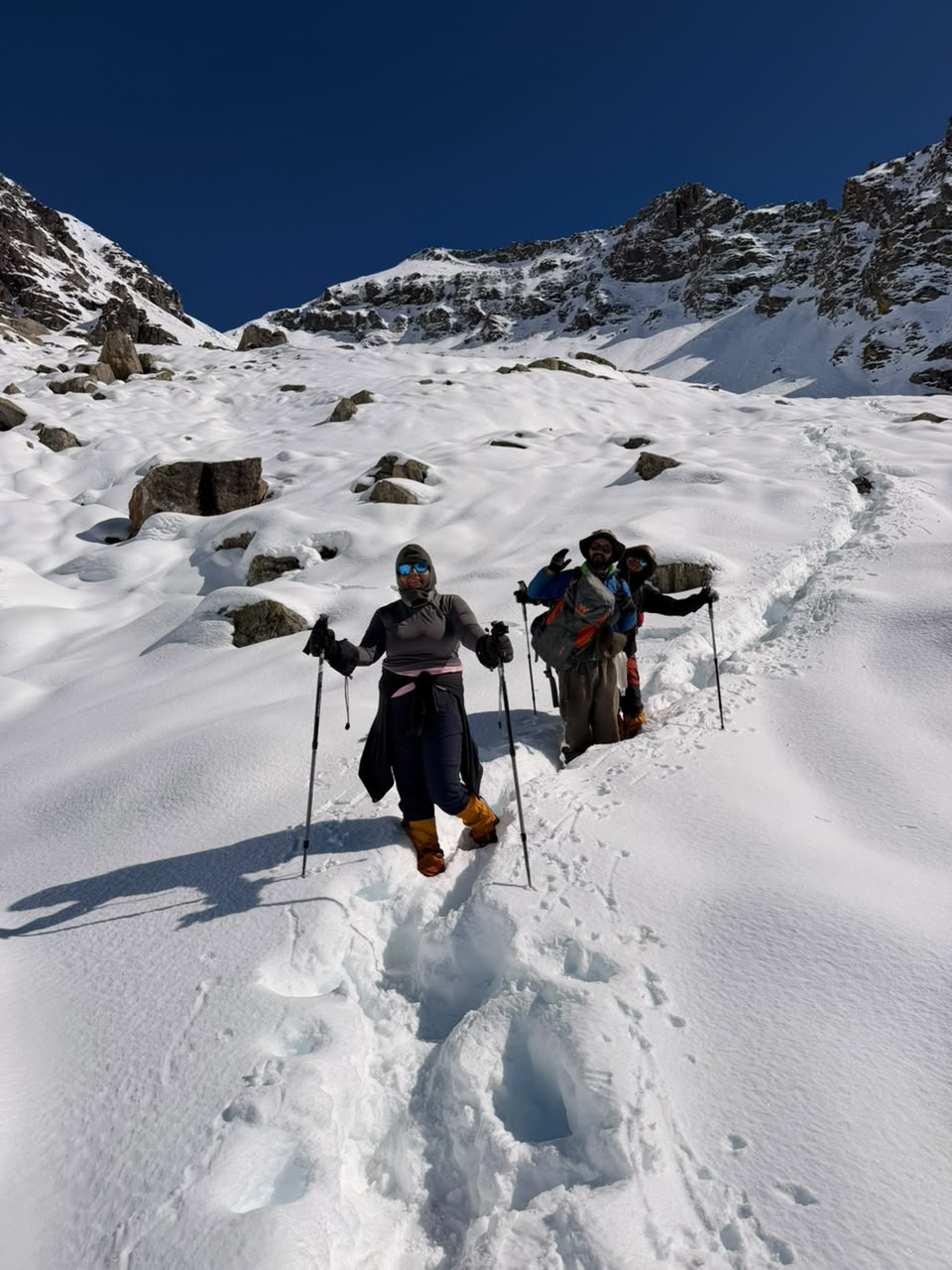
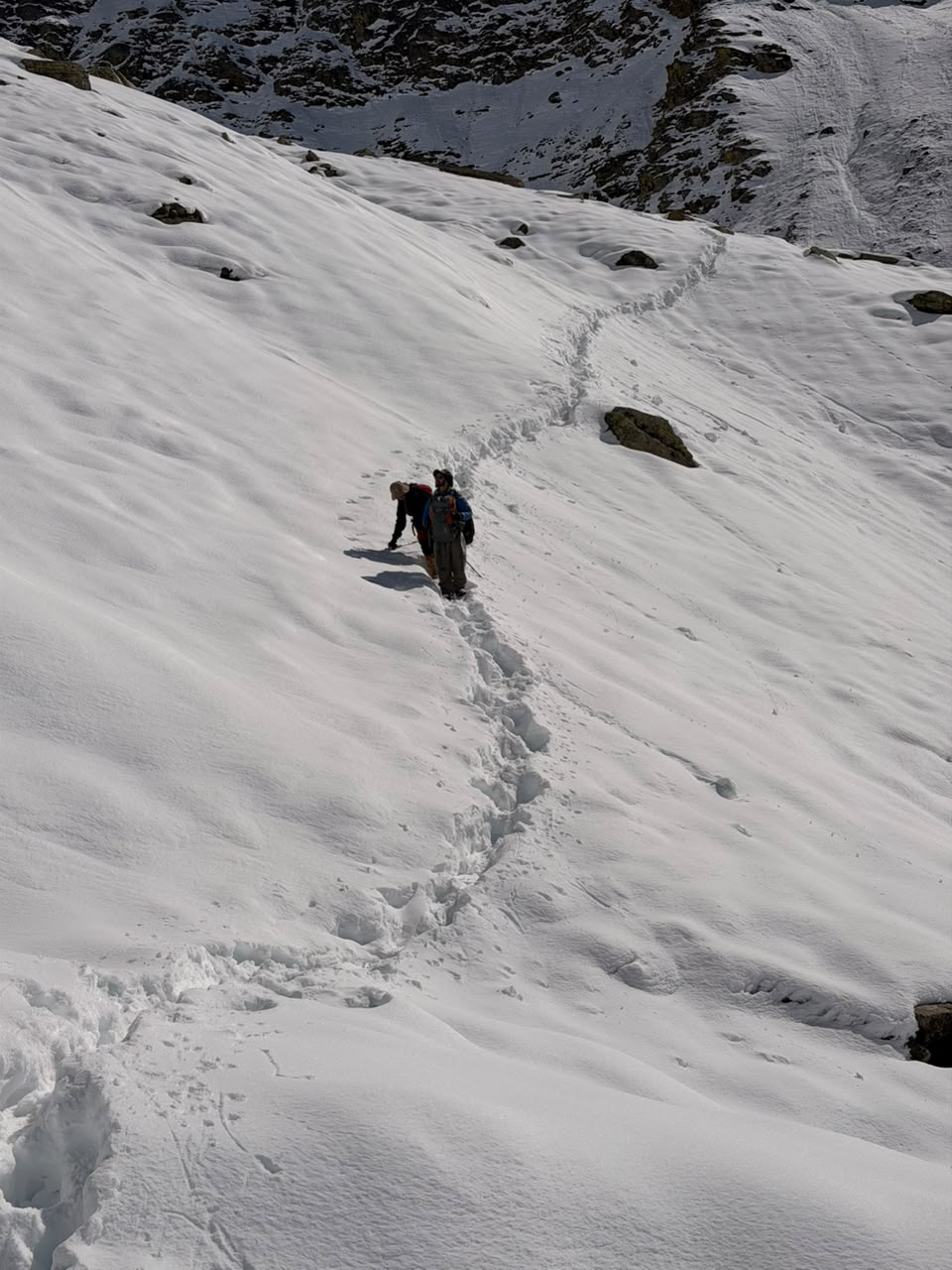
Unlike many "trekking peaks" that can be summited with minimal climbing experience, Black Peak is a real mountaineering objective. Expect fixed ropes, glacier travel, crevasse crossings, and a final summit push over steep, hardened snow. This makes it an ideal step up for trekkers who have completed moderate treks and are ready to test themselves against true alpine terrain — without jumping straight into the extreme commitment of an 7,000m+ giant.
Black Peak carries mountaineering heritage. It was first summited in 1955 by a schoolmaster and his students from a prominent Dehradun institution — a reminder that this mountain has long tested discipline and grit rather than just physical strength. Every expedition since has carried forward that same spirit of preparation and respect for the mountain.
The journey to Black Peak's base camp is an experience in itself. Starting from Sankri, trekkers pass through Taluka, Osla, and the breathtaking meadows of Ruinsara Tal before reaching the high-altitude base at Kyarkoti. Compared to the more crowded trails of other Himalayan expeditions, this route offers a quieter, more immersive journey through alpine forests, river valleys, and high meadows — with the option to also lay eyes on neighboring giants like Swargarohini and Bandarpoonch.
At just over 6,300 meters, Black Peak sits in a sweet spot: high enough to demand serious acclimatization and technical skill, but achievable within a well-planned 18–20 day itinerary. This makes it more time-efficient than many taller expeditions while still delivering a genuine, hard-earned summit — the kind that builds real mountaineering credentials.
Black Peak has two reliable climbing seasons — May to June and September to October — when weather is comparatively stable and visibility is at its best, especially in the post-monsoon window. This predictability helps expedition teams plan more confidently than on peaks with narrower or less consistent weather windows.
From Indian Mountaineering Foundation (IMF) permits and liaison officers to high-altitude porters, fixed-rope specialists, and well-organized base camps, a Black Peak expedition typically comes as a full-service experience. Compared to some lesser-known peaks with limited support infrastructure, Black Peak expeditions are well-established, meaning better safety nets, experienced guides, and smoother logistics.
Black Peak isn't the tallest mountain in India, and it isn't the easiest. But that's exactly its appeal. It offers a rare combination: a mythic name, a technically engaging climb, a scenic and less-crowded approach, and a manageable timeline — all wrapped into one unforgettable expedition. For climbers looking to move beyond basic treks and into the world of real mountaineering, Black Peak isn't just another option on the list. It's often the right one.
The Black Peak Expedition is far more than a climb—it is a complete Himalayan journey that tests your endurance, builds mountaineering skills, and rewards you with unforgettable landscapes and a true sense of achievement. From pristine alpine meadows and glacier crossings to the exhilaration of standing on a 6,387-meter summit, every stage of the expedition offers something remarkable.
If you're looking for an expedition that combines adventure, technical learning, and breathtaking Himalayan scenery, Black Peak (Kalanag) deserves a place at the top of your list. Whether you're an experienced trekker aiming for your first major summit or a mountaineer preparing for higher objectives, this expedition offers one of the most fulfilling climbing experiences in India.