Pin Bhaba Pass Trek Experience the Transition from Green Valleys to Cold Desert
Pin Bhaba Pass Trek Experience the Transition from Green Valleys to Cold Desert
21
Jun

A journey across one of Himachal Pradesh's most dramatic high-altitude crossings
There are treks that take you through forests. There are treks that take you above clouds. And then there are treks that take you from one world into an entirely different one — where the landscape itself rewrites the rules of colour, texture, and silence with every passing kilometre. The Pin Bhaba Pass Trek is that rare journey.
In just about six to seven days, this trail carries you from the lush, rhododendron-draped valleys of the Kinnaur district to the stark, wind-carved cold desert of the Spiti Valley — two of Himachal Pradesh's most celebrated but starkly contrasting regions. The passage between them, the Pin Bhaba Pass at 4,865 metres (15,960 feet), is not merely a geographical crossing. It is a transition in mood, in ecology, in the very feeling of the air.
If you've been searching for a Himalayan trek that delivers variety, solitude, raw beauty, and an authentic sense of crossing into another world, the Pin Bhaba Pass Trek deserves a place at the very top of your list.
| Detail | Information |
|---|---|
| Location | Kinnaur & Spiti, Himachal Pradesh |
| Trek Grade | Moderate to Difficult |
| Duration | 6–7 days |
| Maximum Altitude | 4,865 m (15,960 ft) – Pin Bhaba Pass |
| Start Point | Kafnu (Kinnaur side) |
| End Point | Mudh Village, Pin Valley (Spiti side) |
| Best Season | June to early July; mid-September to October |
| Total Trek Distance | Approx. 55–60 km |
| Base Town | Shimla or Reckong Peo |
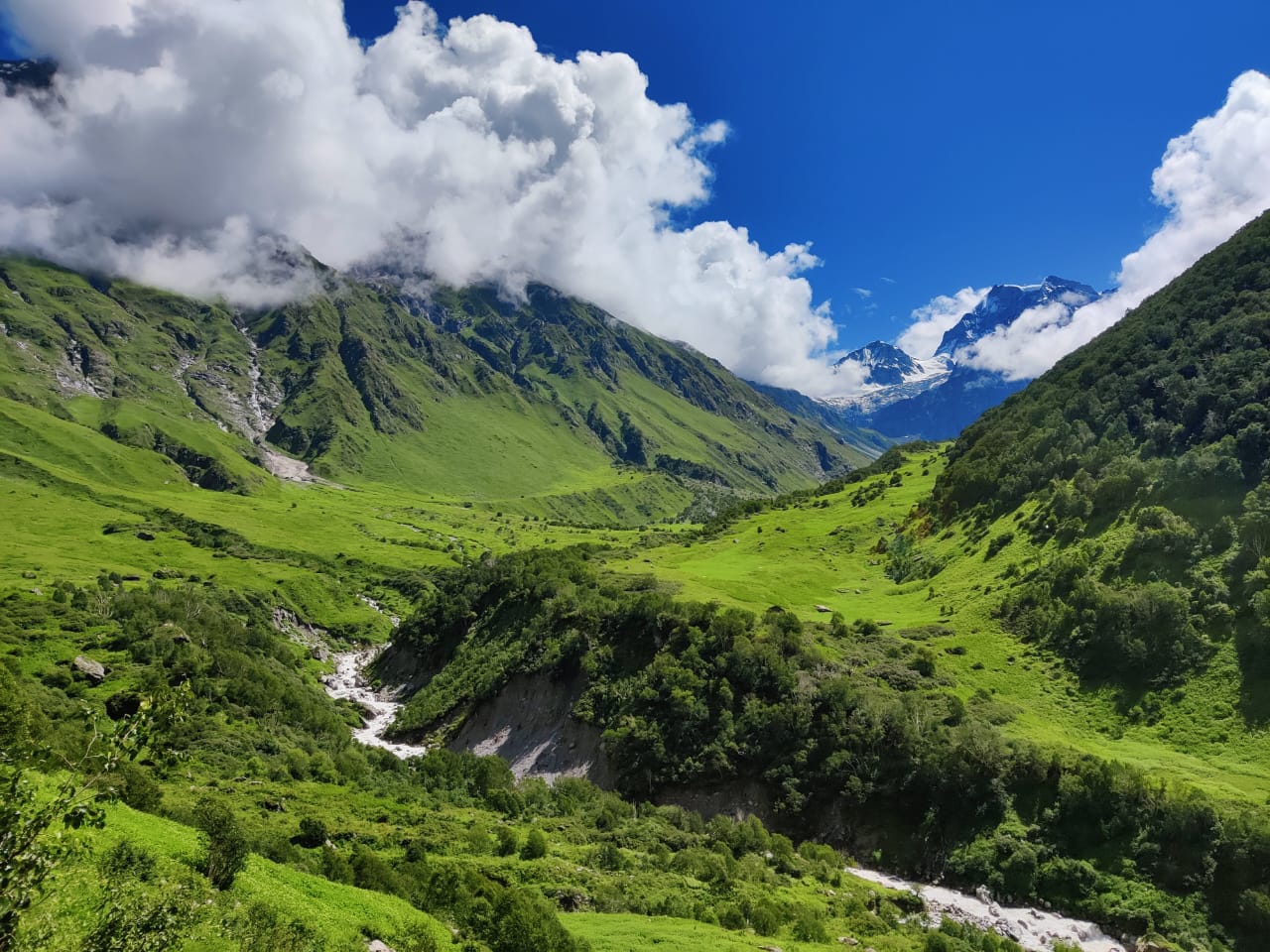
Most Himalayan treks offer a consistent landscape — alpine meadows throughout, or perpetual snow, or dense forests. What sets the Pin Bhaba apart is its ecological drama. You begin in thick forests of oak, pine, and birch, wade through rushing rivers, camp beside glacial streams with wildflowers on all sides — and then, as you crest the pass, you descend into a world of brown and ochre, bare rock faces, Buddhist monasteries, and a sky so enormous and blue it feels borrowed from another planet.
This contrast between the green valley of Bhaba and the cold desert of the Pin Valley is the defining soul of this trek. Very few trails in the Indian Himalayas offer this kind of ecological crossing.
The trek begins at Kafnu, a quiet hamlet in Kinnaur perched along the Sutlej river corridor at around 2,700 metres. Getting here is itself an adventure.
From Delhi: The most common route is Delhi → Shimla (by bus, train to Kalka then toy train, or car) → Reckong Peo → Kafnu. The total road journey is roughly 12–14 hours depending on road conditions.
From Chandigarh: Drive or take a bus to Reckong Peo (around 8–9 hours), then a local taxi or bus to Kafnu (another 1.5–2 hours).
Kafnu itself is a small village, but it has basic guesthouses and homestays where you can acclimatise for a day before the trek begins. Spend a night here, breathe in the mountain air, and let the week ahead settle in your mind.
Day 1: Drive from Shimla to Kafnu
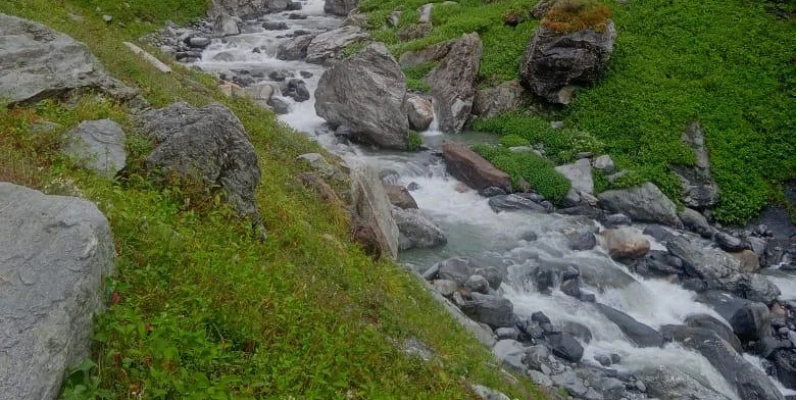
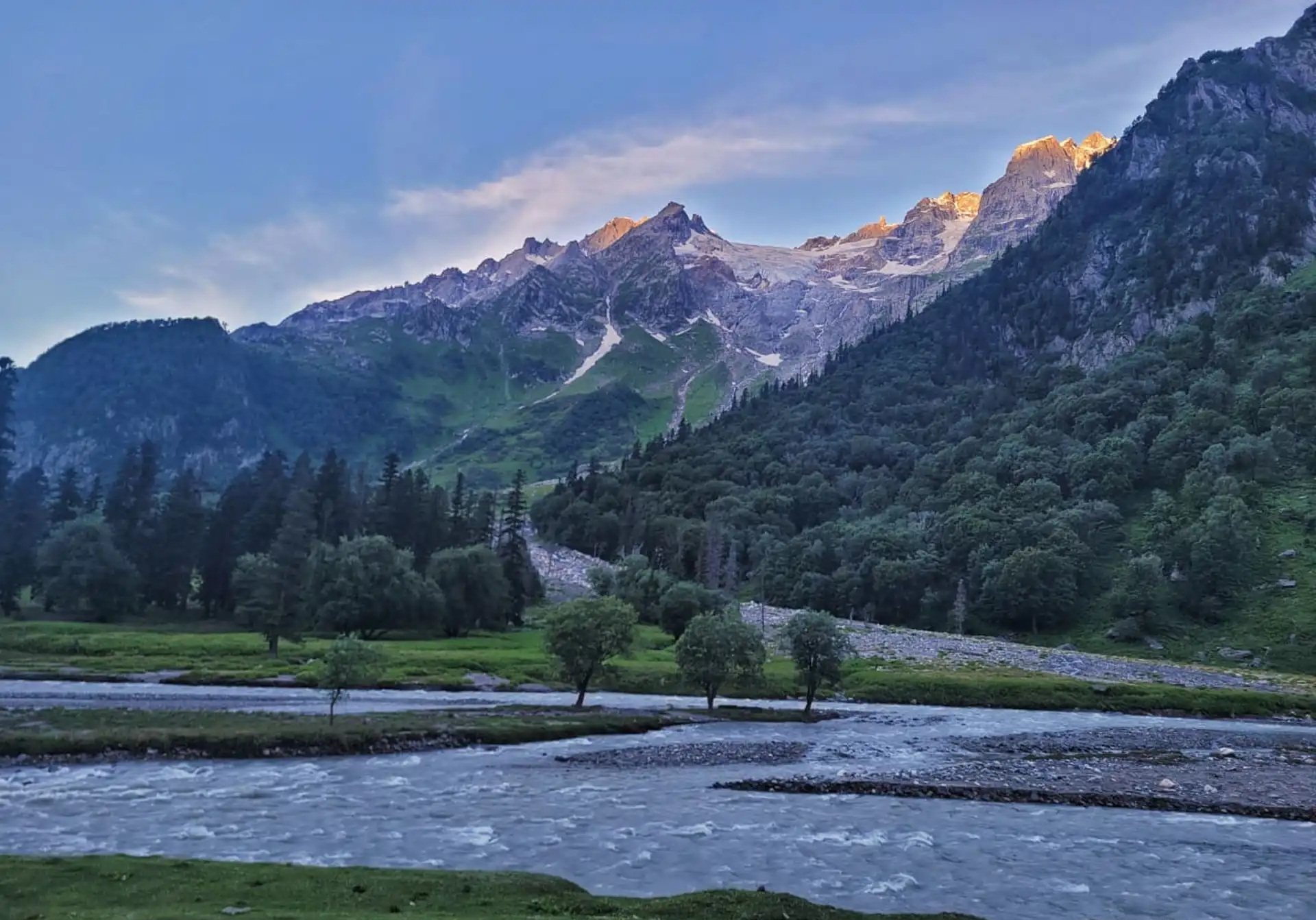
The trek begins gently, which is deceiving. You follow the Bhaba River upstream, the trail threading through forests of oak and deodar, crossing wooden bridges over gushing streams. The sound of water is your constant companion today.
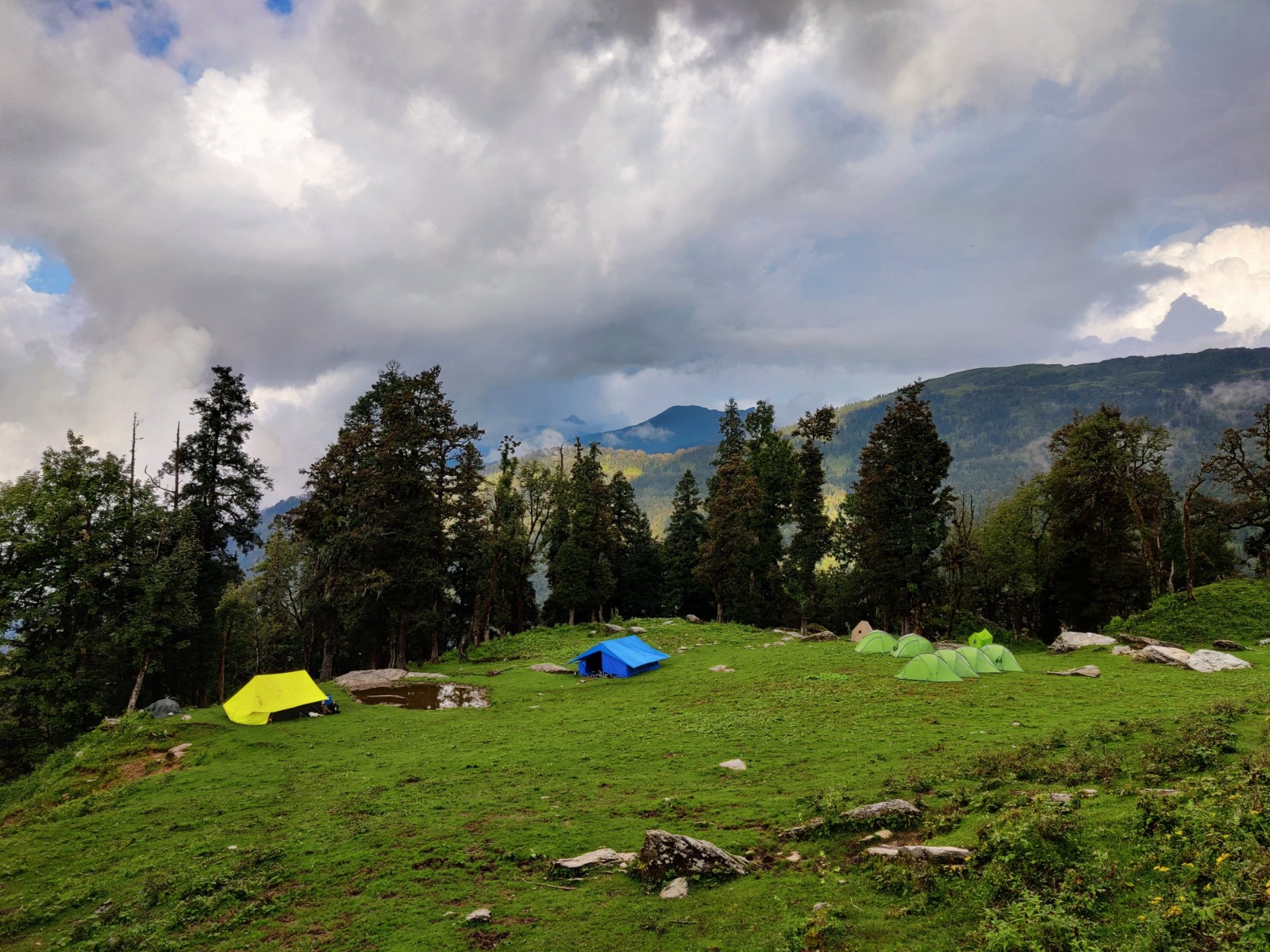
The village of Kafnu gives way to open paths with wide views of the Kinnaur ranges. As you gain altitude, the forest thickens and the air becomes noticeably cooler. The first campsite at Mulling is a classic Himalayan meadow — flat, grassy, ringed by pines, with a clear stream running alongside.
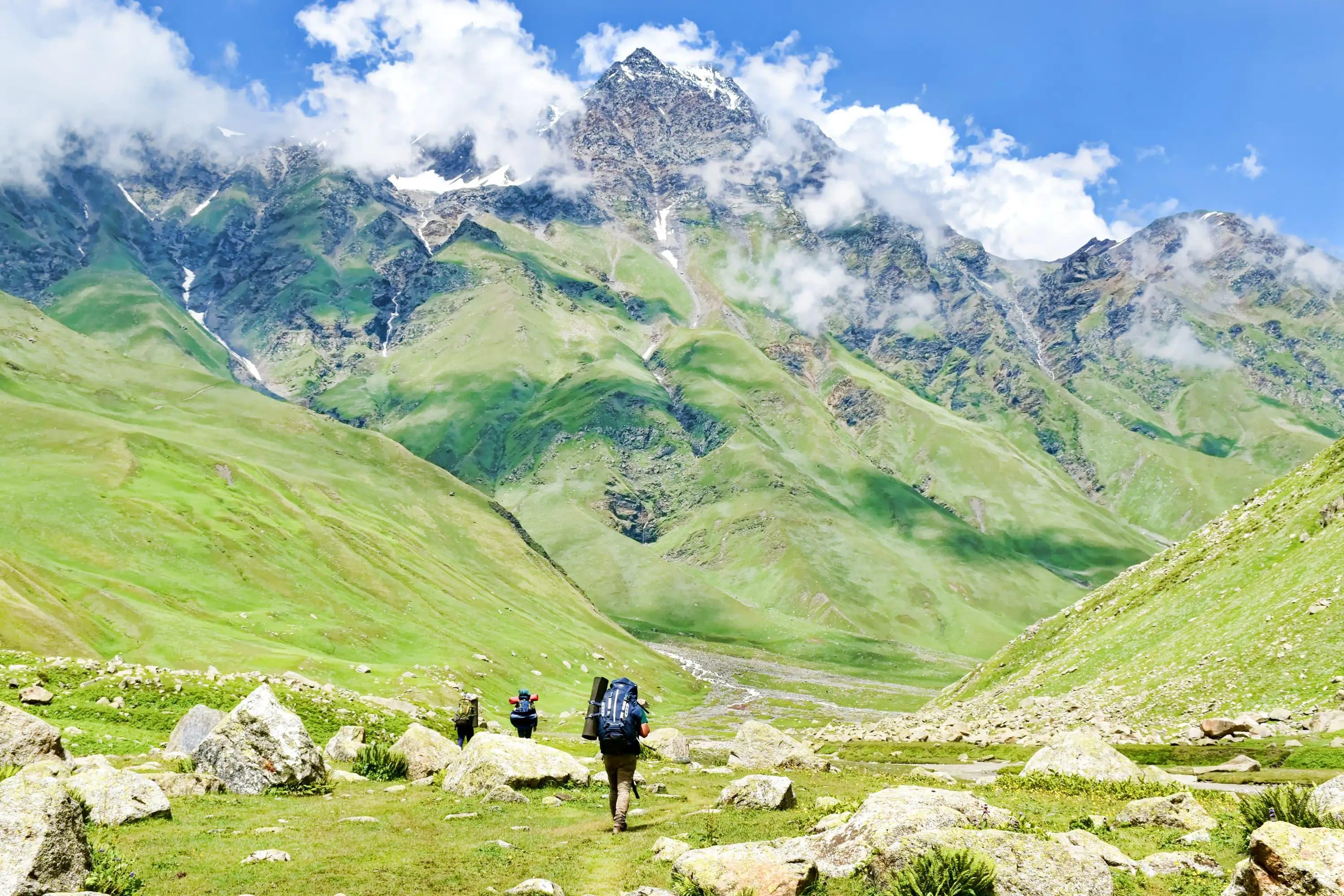
Wildflowers erupt in every direction during peak season. Brahma Kamal, Himalayan blue poppy, wild roses — the Bhaba Valley in summer is one of Himachal's most botanically rich corridors.
Campsite: Mulling meadow. Expect clear skies and temperatures dropping to 8–12°C at night.
Today's walk deepens your relationship with the Bhaba Valley. The trail climbs steadily, crossing several glacial streams — some on makeshift log bridges, others requiring careful boulder-hopping.
The forest of the lower valley gives way to alpine shrubs and grasslands, and by late morning you begin to feel the altitude. The trail passes through patches of birch and juniper, and on clear days you catch the first glimpses of snow-capped peaks ahead.
Kara is a wide, elevated meadow — often referred to as one of the most beautiful campsites on this entire route. At 3,600 metres, the sky is enormous, stars blaze at night, and the silence is broken only by the wind and the occasional call of a Himalayan bird of prey.
This is also where some trekkers notice the first signs of altitude — mild headaches, slower breathing. Drink plenty of water, eat well, and don't push yourself.
A shorter day in terms of distance, but the altitude gain is significant. From Kara, the trail rises steeply, leaving behind the last of the vegetation. The landscape begins its first visible shift — grass gives way to rock and scree, and the peaks around you grow closer and more imposing.
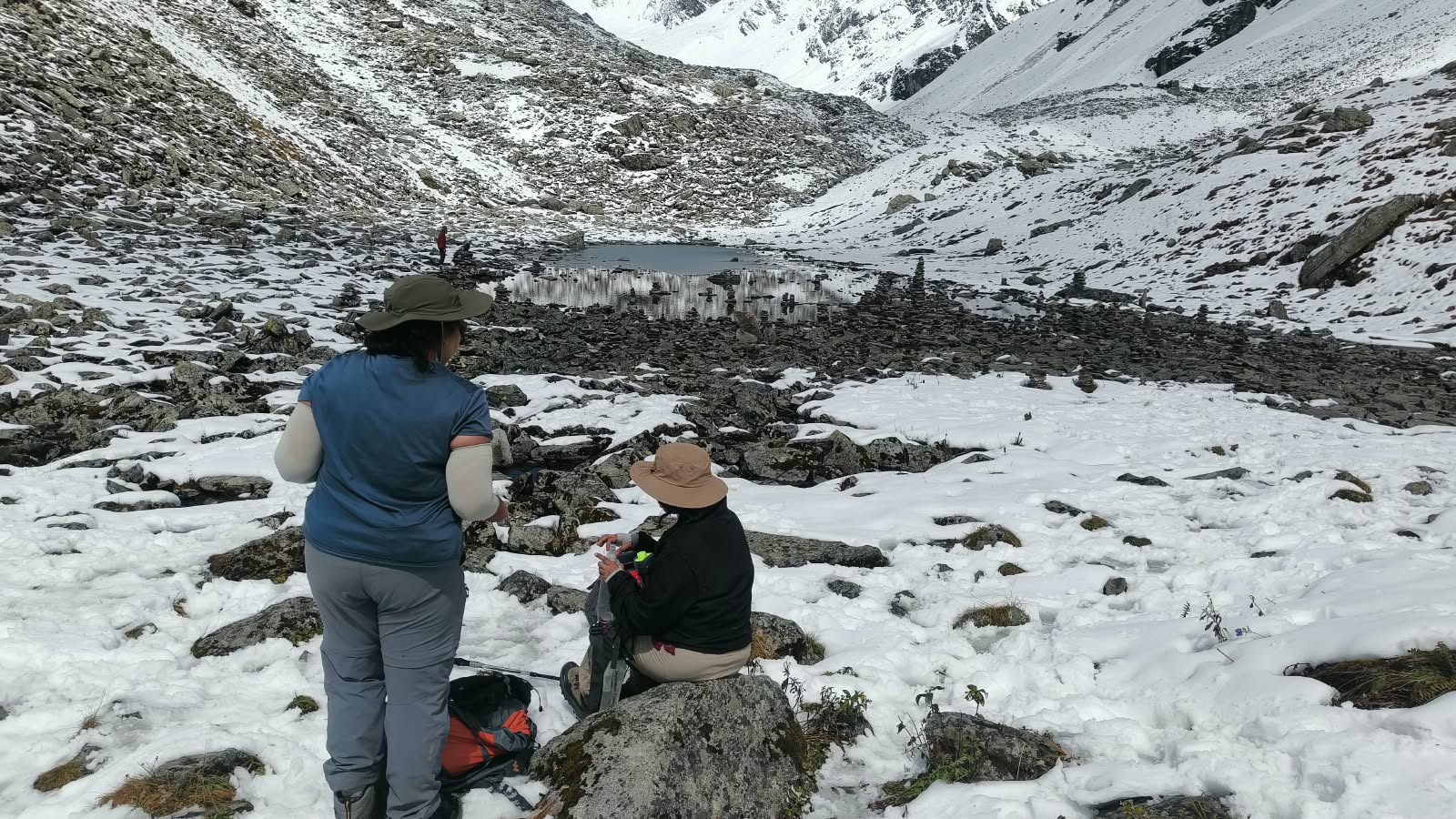
The Bhaba Glacier comes into view, and the trail navigates its edges. Boulders, ice-melt streams, and the first permanent snow patches appear. The colours drain gradually from the landscape — less green, more grey and white.
Bhaba Base Camp sits at 4,200 metres in a bowl below the pass. This is where you spend the night before the big crossing. The campsite is spare and dramatic — rocky terrain, no trees, wind that picks up after sunset. Temperatures here can drop to -5°C or lower, so layer up.
Spend the afternoon resting, hydrating, and watching the clouds move across the high ridges. Sleep early — tomorrow is a 3 AM start.
This is the crown of the trek — and the most physically demanding day.
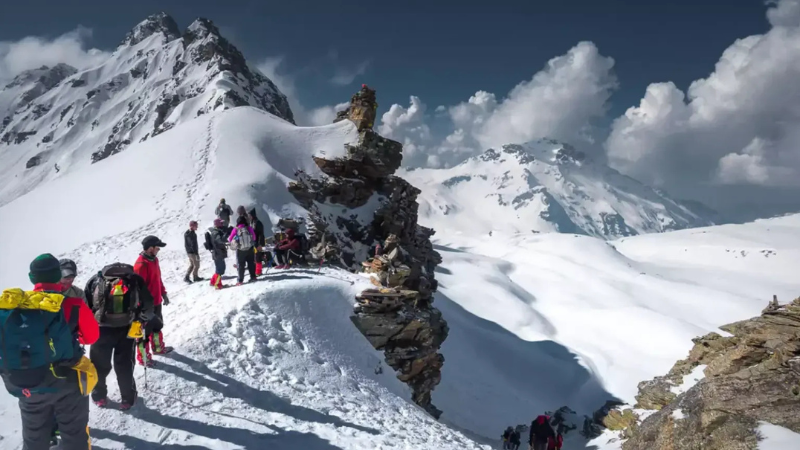
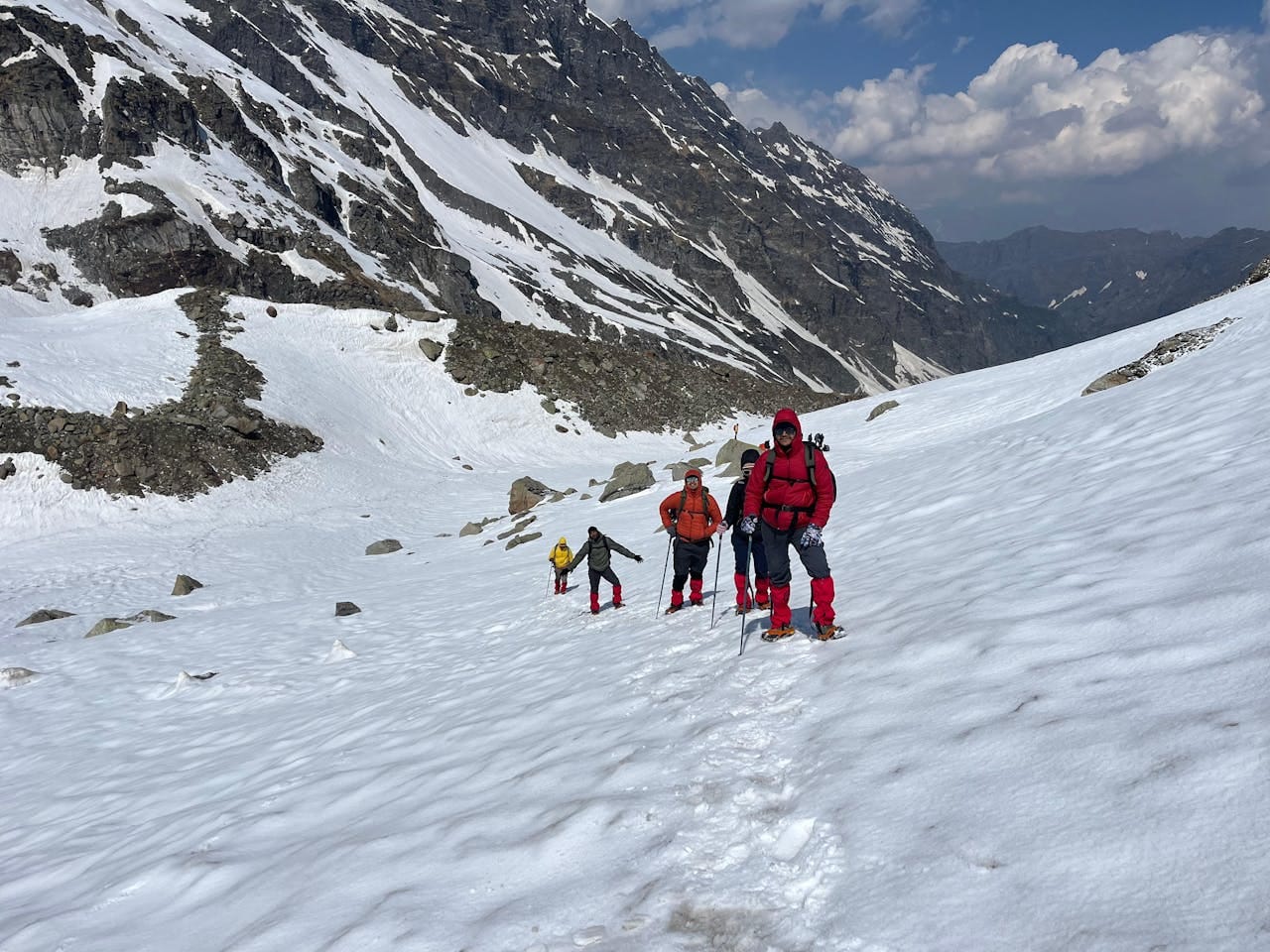
You wake in darkness and begin climbing by headlamp, following your guide through snow and scree. The trail is steep, the air thin, and every step requires deliberate effort. But the pre-dawn sky — a riot of stars above the black silhouettes of peaks — is otherworldly.
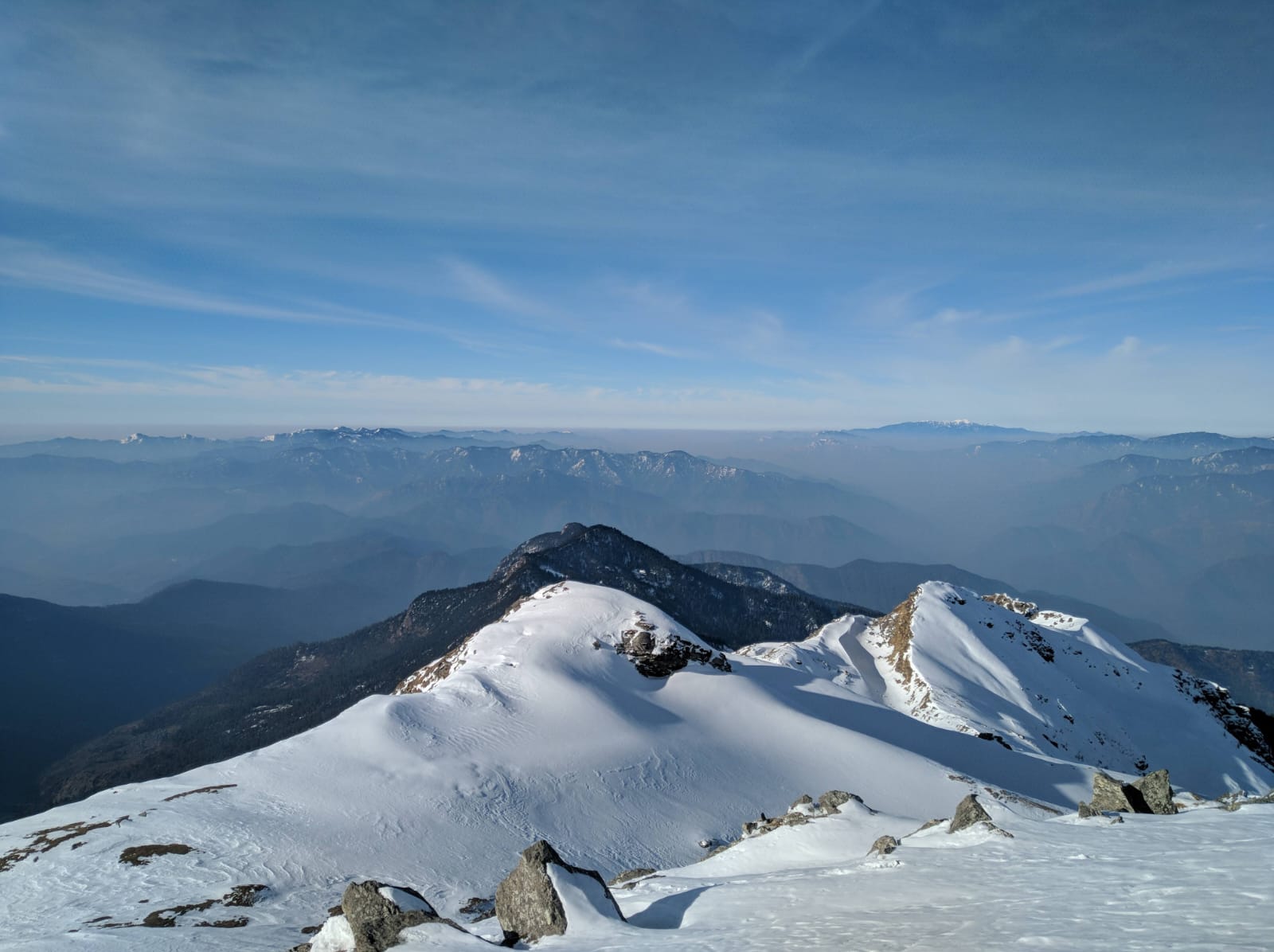
As the sun rises, it catches the snow first, turning it gold, then white. By the time you reach the Pin Bhaba Pass (4,865 m), usually mid-morning, you are standing at the edge of two worlds.
To your west: the green valleys and forests of Kinnaur, cloaked in moisture, teeming with life. To your east: the cold desert of Spiti, vast and silent and ancient, brown and beige and endless under an impossibly blue sky.
The pass is typically marked by prayer flags, whipping in the wind. Take a moment. You've earned it.
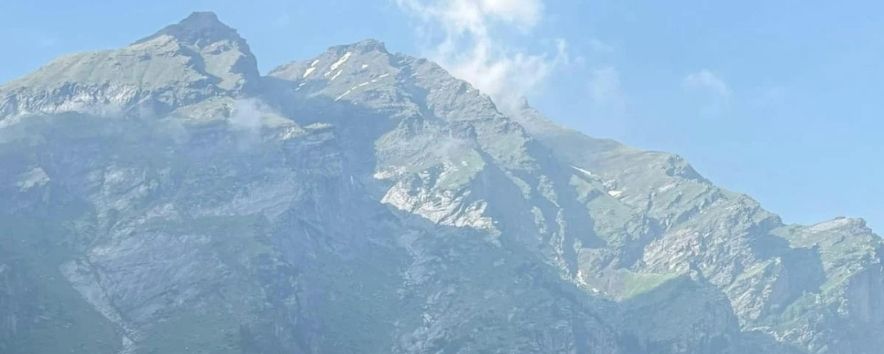
The descent into the Pin Valley is as spectacular as the ascent was demanding. The trail drops steeply through loose scree and snow-fields, then begins to reveal the first signs of Spiti's landscape — crumbling ridges in shades of rust and ochre, eroded cliffs, and a silence so deep it has texture.
You camp at Phutsirang on the Spiti side, a wild and remote site where the transition is nearly complete.
The final day of descent takes you fully into the cold desert world of the Pin Valley. The vegetation all but disappears — in its place, bare mountains in shades of brown, amber, violet, and grey stretch in every direction.
The Pin River roars through the valley far below, ice-cold and glacial green. The trail follows its course, and as you descend, the first signs of human habitation return — stone walls, small fields of barley, a painted monastery perched on a ridge.
Mud (also written Mudh) is the last village in the Pin Valley and the endpoint of the trek. It is a tiny, remarkable place — a cluster of flat-roofed stone houses at 3,800 metres, surrounded by the bare grandeur of the Spiti landscape. The people here are warm, the tea is strong, and the silence after days of exertion feels like a gift.
From Mud, you can arrange a vehicle to Kaza, the district headquarters of Spiti, about 2–3 hours away.
Day 7: Trek from Bwaldar to Mudh and Drive to Kaza
The Pin Bhaba Pass Trek is ecologically one of the most striking crossings in the Indian Himalayas. Here is what you pass through:
Sub-Alpine Forest Zone (2,700–3,200 m) Dense forests of deodar, oak, rhododendron, and pine. Rich birdlife. Running streams. The air smells of resin and earth.
Alpine Meadow Zone (3,200–3,800 m) Open grasslands, wildflowers, glacial streams, and the first panoramic views of high peaks. Summer brings carpets of Brahma Kamal and Himalayan poppies.
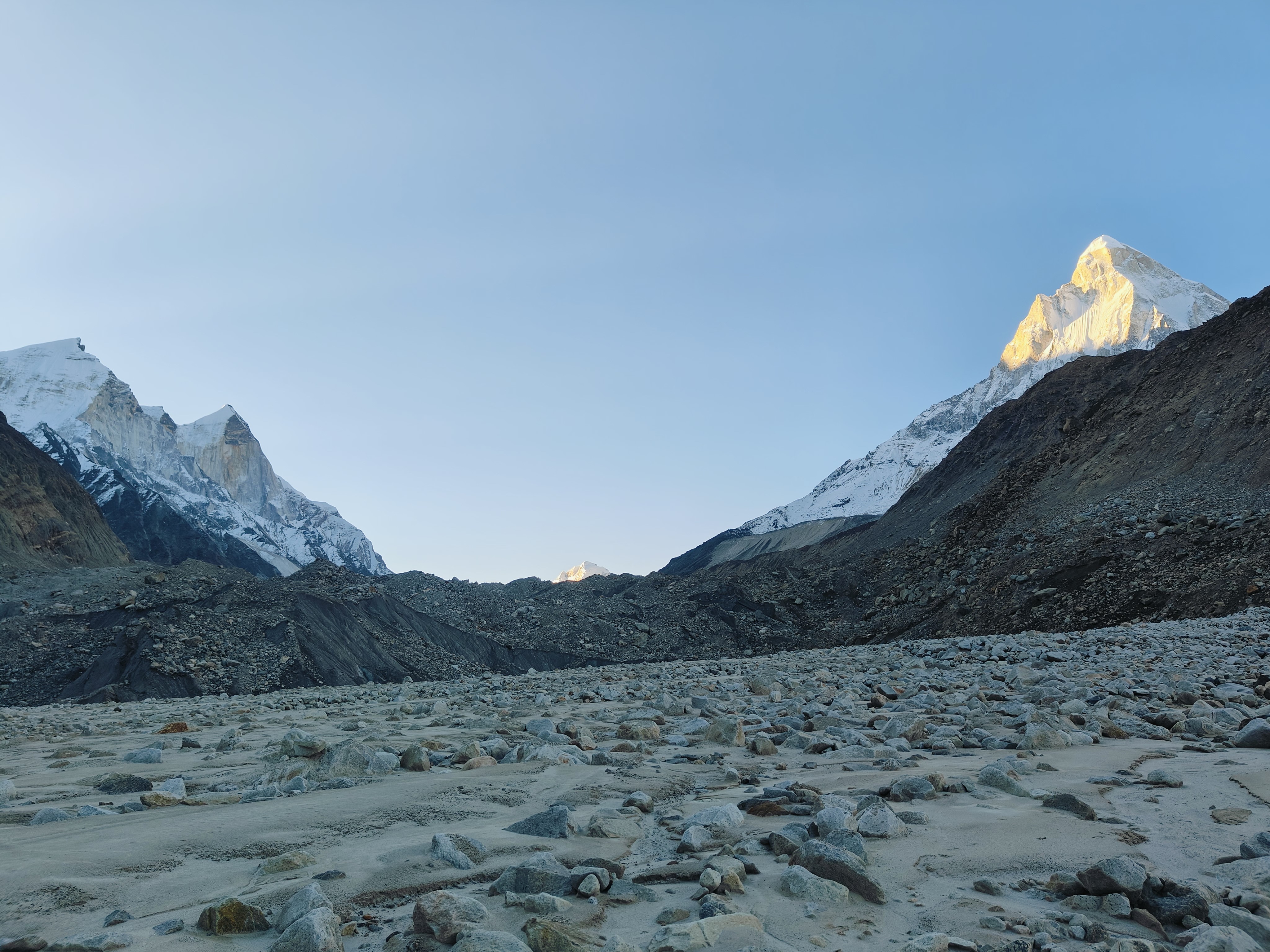
Glacial & Moraine Zone (3,800–4,865 m) Rock, snow, ice, and silence. The vegetation vanishes. The world becomes monochromatic — white, grey, and black.
Cold Desert Transition (post-pass, 4,865–3,800 m) The classic Spiti palette: warm ochre, rust, brown, beige. Eroded ridgelines, bare slopes, the occasional Buddhist monastery. Rain shadow desert that receives almost no precipitation.
This four-zone ecological sweep in just six days is what makes the Pin Bhaba Pass among the most instructive and visually stunning treks in all of Himachal Pradesh.
Flora:
Fauna:
June to Early July: This is arguably the finest window. The snow on the pass is still present but generally crossable, wildflowers are in full bloom in the Bhaba Valley, and the days are long and clear. Nights are cold but bearable.
Mid-September to October: Post-monsoon, the skies clear dramatically. The Bhaba Valley is golden and autumnal. Snow on the pass is minimal. Nights are significantly colder as October progresses.
Avoid: July and August (heavy monsoon on the Kinnaur side makes trails treacherous and streams dangerous), and November onwards (pass snowed in, extremely cold).
The trek is graded Moderate to Difficult. Here's what that means in practical terms:
Clothing:
Footwear:
Gear:
Health & Safety:
Documents:
As of 2024–2025, Indian nationals do not require a special Inner Line Permit for the Pin Bhaba Trek, but checkpoints along the Kinnaur highway and in Spiti may ask for ID. Foreign nationals require a Protected Area Permit (PAP) for certain sections of Spiti — check with your trekking agency for current regulations, as these can change.
The Pin Valley National Park is a protected area — no campfires, no littering, no disturbance to wildlife. Stick to designated campsites and carry all your waste out.
On the trek: The route is camping-only. There are no teahouses or guesthouses on the trail between Kafnu and Mud. A fully equipped camping setup — tents, sleeping bags, kitchen equipment, and food — is essential. If trekking with a reputable agency, all of this is arranged.
Food: Most organised treks provide three hot meals a day — typically porridge, parathas, and eggs for breakfast; soup, dal, and rice/roti for lunch and dinner. The calorie demand at altitude is high — eat well even if your appetite dips.
In Kafnu: Basic guesthouses and homestays available. In Mud: Simple homestays with local food — Spitian meals of thukpa, tsampa, and local bread are hearty and perfect post-trek. In Kaza: More options, including guesthouses with hot water and restaurants.
With a registered trekking agency is strongly recommended for this trek, especially for first-timers to the region. An agency provides:
Solo trekking is possible for very experienced trekkers with prior high-altitude experience, navigation skills, and complete camping gear. The trail is not well-marked in places, particularly near and above the pass — do not underestimate it.
The Pin Bhaba Pass Trek is not just a landscape journey — it is a cultural crossing too.
Kinnaur has its own distinct identity within Himachal Pradesh — a blend of Hindu and Buddhist traditions, with people known for growing apples, walnuts, and the famed Kinnauri pashmina shawls. The architecture of Kinnauri homes, with their carved wooden facades and slate roofs, is unique and beautiful.
Spiti — literally "The Middle Land" — is a Tibetan Buddhist enclave, one of the highest inhabited regions on earth. The monasteries of Ki, Dhankar, and Tabo (among the oldest in the Buddhist world) are within reach of Kaza. The faces, the prayer wheels, the fluttering prayer flags, the monks in saffron — Spiti feels spiritually charged in a way that is difficult to articulate but immediate upon arrival.
Crossing the Pin Bhaba Pass, you cross not just an ecological boundary but a cultural one — from the relatively temperate, pluralistic world of Kinnaur into the high-altitude, deeply Buddhist world of Spiti.
Before the trek:
After the trek:
The Bhaba Valley and Pin Valley are among Himachal's most ecologically sensitive regions. Trekking responsibly here isn't optional — it's a commitment.
There is a moment on the Pin Bhaba Pass — usually right at the top, when the prayer flags are snapping in the wind and you are standing between the green world and the desert world — where the scale of the transition becomes visceral. You have walked across something real. A geological divide, an ecological boundary, a cultural frontier.
Most treks give you beautiful views. The Pin Bhaba Pass Trek gives you something rarer: perspective. The sense that the world is wider, stranger, and more various than any map can hold. That in the same small country, within the same few days of walking, you can move between ecosystems as different as a temperate rainforest and the surface of Mars.
That feeling — of having crossed something, of having moved between worlds on your own two feet — is what stays long after the aching muscles have healed and the tan has faded.
The Pin Bhaba is waiting. The flags are already flying.