Why Winter 2026 2027 Could Change the Way You Experience the Himalayas
Why Winter 2026 2027 Could Change the Way You Experience the Himalayas
30
Sep

The Himalayas have never been just a destination. They are a landscape that changes character with every season—green and expansive during the warmer months, golden in autumn, and dramatically different once winter settles over the mountains.
For travellers planning a winter trek 2026-2027, that seasonal transformation could be the beginning of an entirely different Himalayan experience. Winter strips the mountains back to their essentials: snow-covered trails, frozen lakes, silent forests, distant peaks and villages moving at a slower rhythm.
But the appeal of Himalayan winter travel is no longer limited to seeing snow. Travellers are increasingly looking for immersive experiences—walking through winter forests, staying closer to mountain communities, discovering local traditions and experiencing landscapes away from the crowds associated with peak travel seasons.
At the same time, Himalayan winters are not static. Weather patterns, snowfall, accessibility and tourism infrastructure can influence what a traveller actually experiences on the ground. That makes planning for winter trek 2026-2027 less about chasing a guaranteed picture of snow and more about understanding the mountains as they are.
Here is why the winter of 2026–27 could offer a different way to experience the Himalayas.
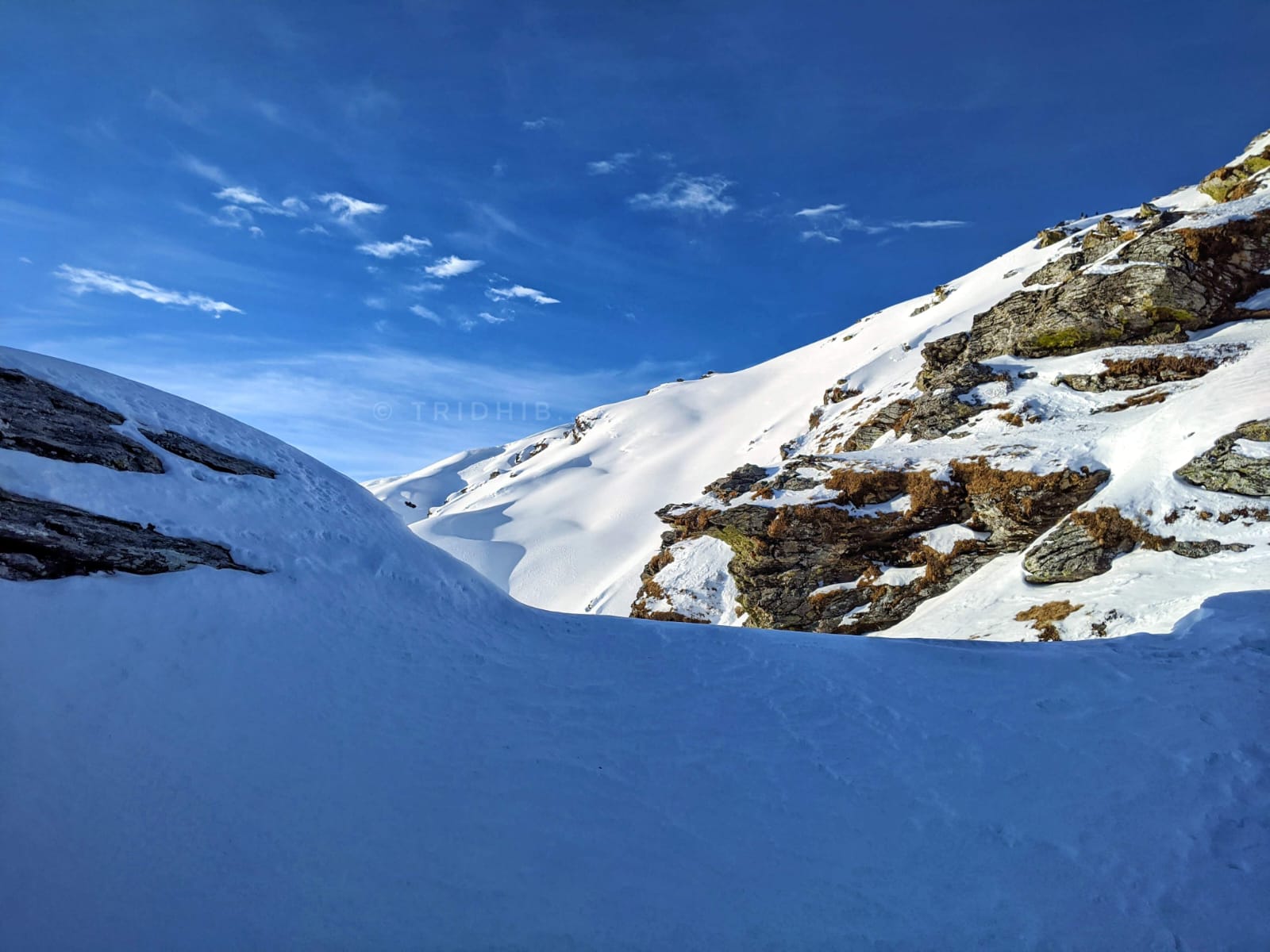
When people think of the Himalayas in winter, the first image that usually comes to mind is snow.
And understandably so.
From snow-covered forests in Uttarakhand to ski slopes in Himachal Pradesh and high-altitude landscapes across the mountain belt, winter can completely transform familiar destinations. Himachal Pradesh Tourism notes that December through February brings snowfall to several parts of the state, with destinations such as Manali, Kufri and Shimla taking on a distinctly winter character.
Yet snow is only one part of the story.
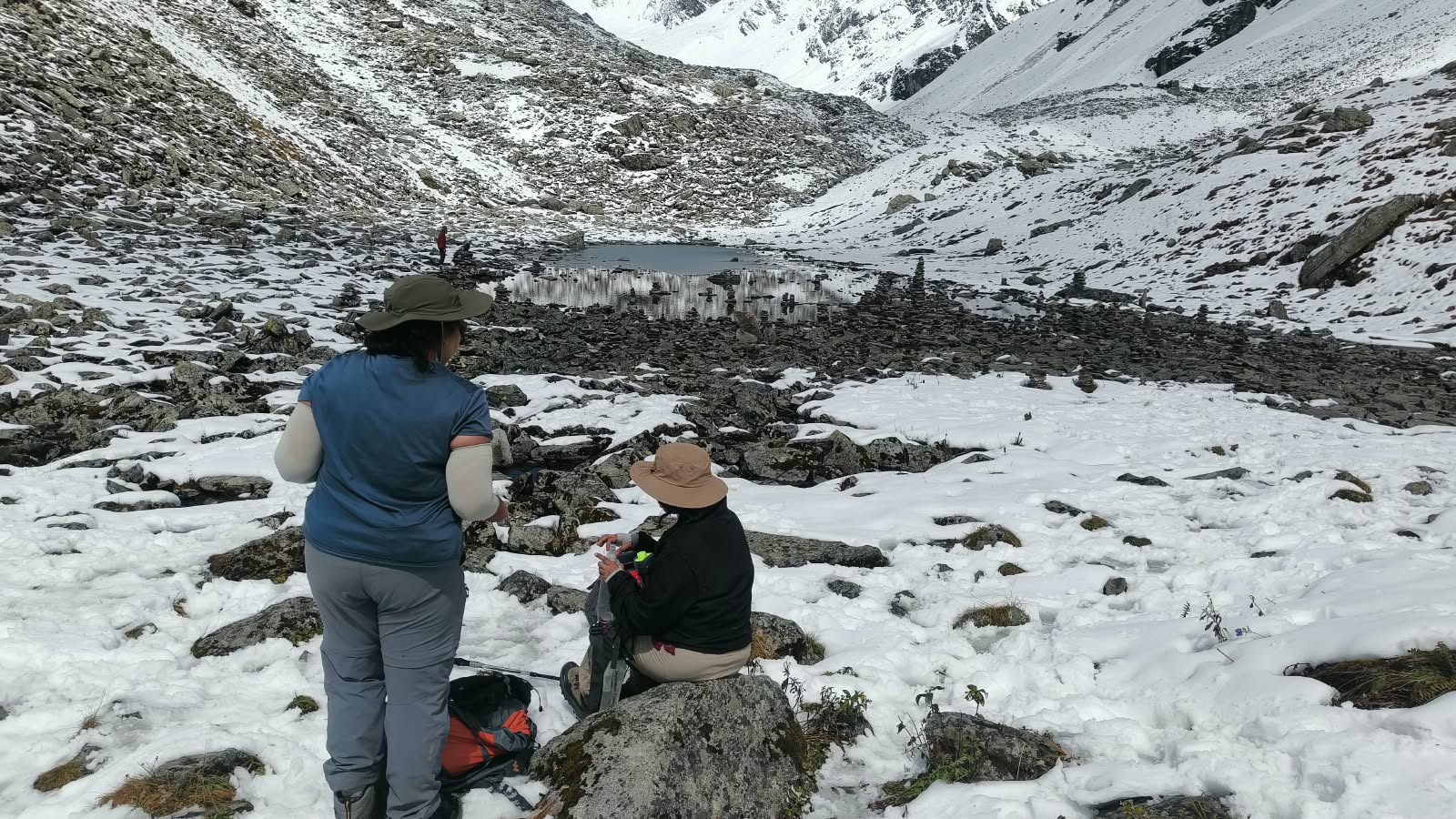
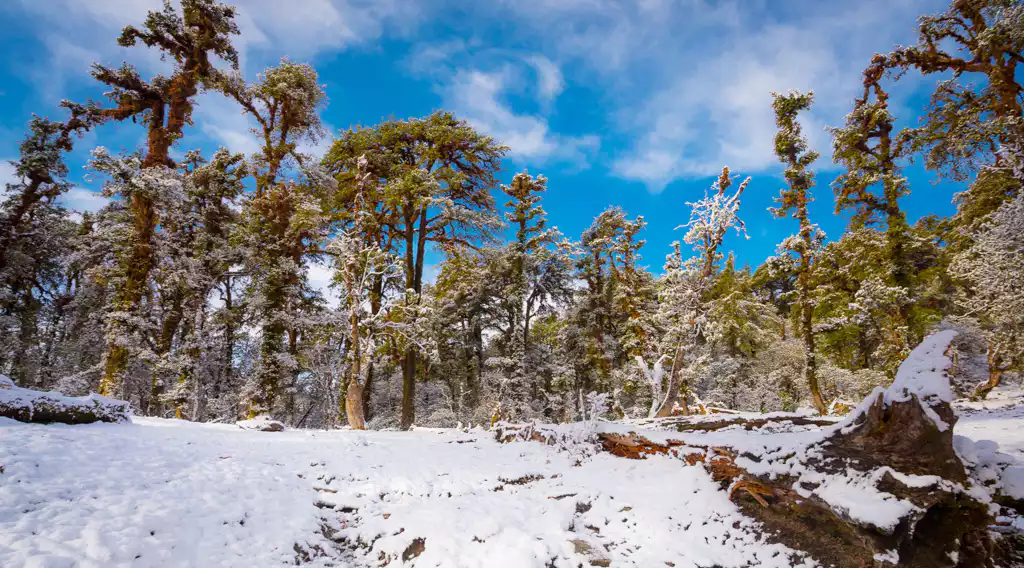
A Himalayan winter trek can offer something that is harder to find during busier seasons: silence. Trails that feel energetic and crowded at other times of the year can become quieter, allowing trekkers to notice details that are easy to miss—the sound of boots compressing snow, frozen streams beneath a trail, the changing texture of pine forests or the first light appearing over distant ridgelines.
This is what makes winter trekking in India particularly interesting for travellers who want more than conventional sightseeing.
Instead of simply arriving at a viewpoint, taking photographs and moving on, winter encourages a slower relationship with the landscape. The journey becomes as important as the destination.
For a traveller considering a winter trek 2026-2027, that shift in perspective may be the most significant part of the experience.
The Himalayas in winter can also bring travellers closer to local culture. In snow-bound regions, winter has traditionally influenced food, work, festivals and everyday routines. Himachal Pradesh, for example, observes several winter festivals and celebrations, including events in Lahaul and other mountain communities.
The result is a version of the Himalayas that feels less like a seasonal attraction and more like a living mountain environment.
Winter changes the physical landscape, but it also changes the way you move through it.
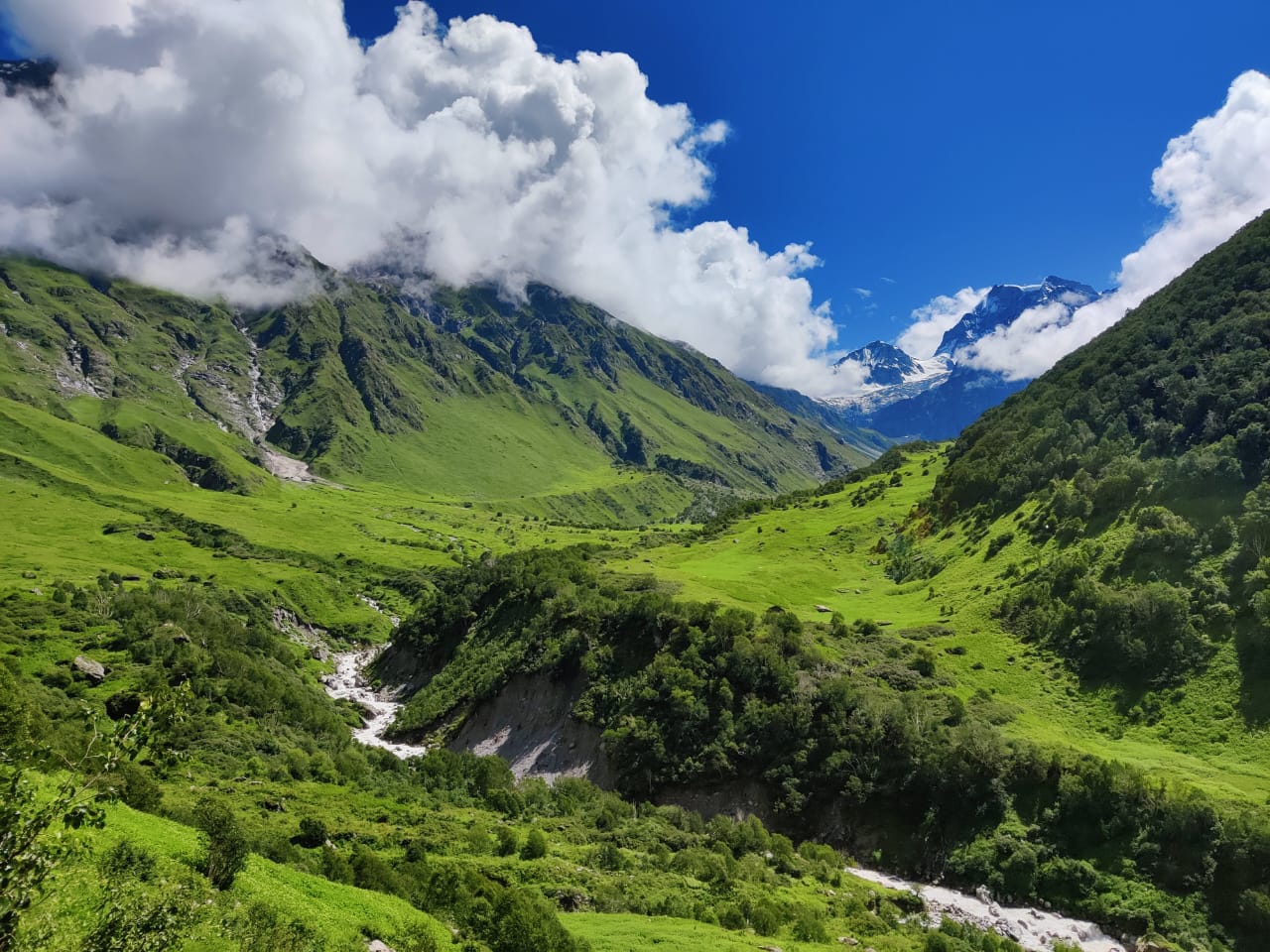
A summer trek might mean walking across green meadows, crossing flowing streams and travelling through relatively accessible mountain terrain. During winter, the same broad landscape can be covered in snow, with frozen water bodies, shorter daylight hours and considerably colder temperatures changing the rhythm of a trek.
This is where snow trekking becomes a distinct experience rather than simply a colder version of hiking.
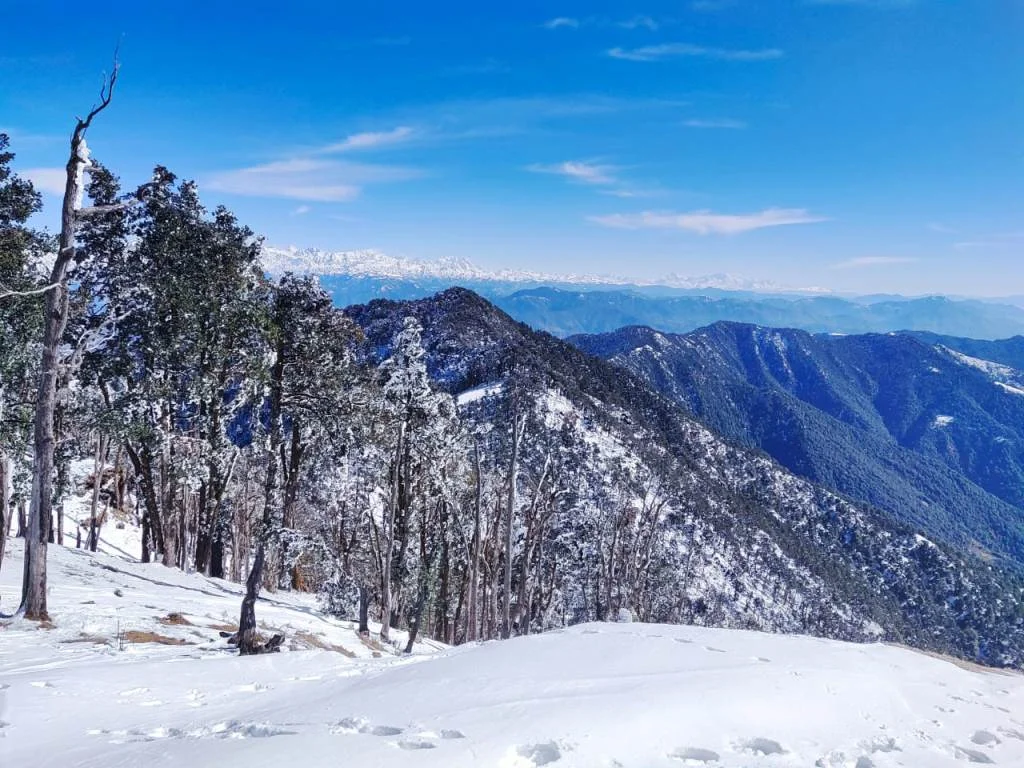
Take Kedarkantha in Uttarakhand as an example. Uttarakhand Tourism describes the route as a roughly 20-kilometre, six-day trek reaching approximately 3,800 metres. During winter, the forests become snow-covered, Juda Lake can freeze, and sections of the trail are covered in soft or deep snow.
That transformation is important because it demonstrates how dramatically a trail can change with the season.
A winter trek also demands a different approach to preparation. Clothing becomes part of the equipment. Footwear matters more. Pace needs to account for snow and colder conditions. Daylight becomes a factor in planning.
For beginners, this does not necessarily mean that every Himalayan winter trek is inaccessible. Uttarakhand Tourism lists trails across different difficulty levels, from easier routes for beginners to difficult routes intended for trekkers with greater fitness and high-altitude experience.
The key is choosing a route that matches experience, weather conditions and current trail accessibility.
Winter also changes the visual experience.
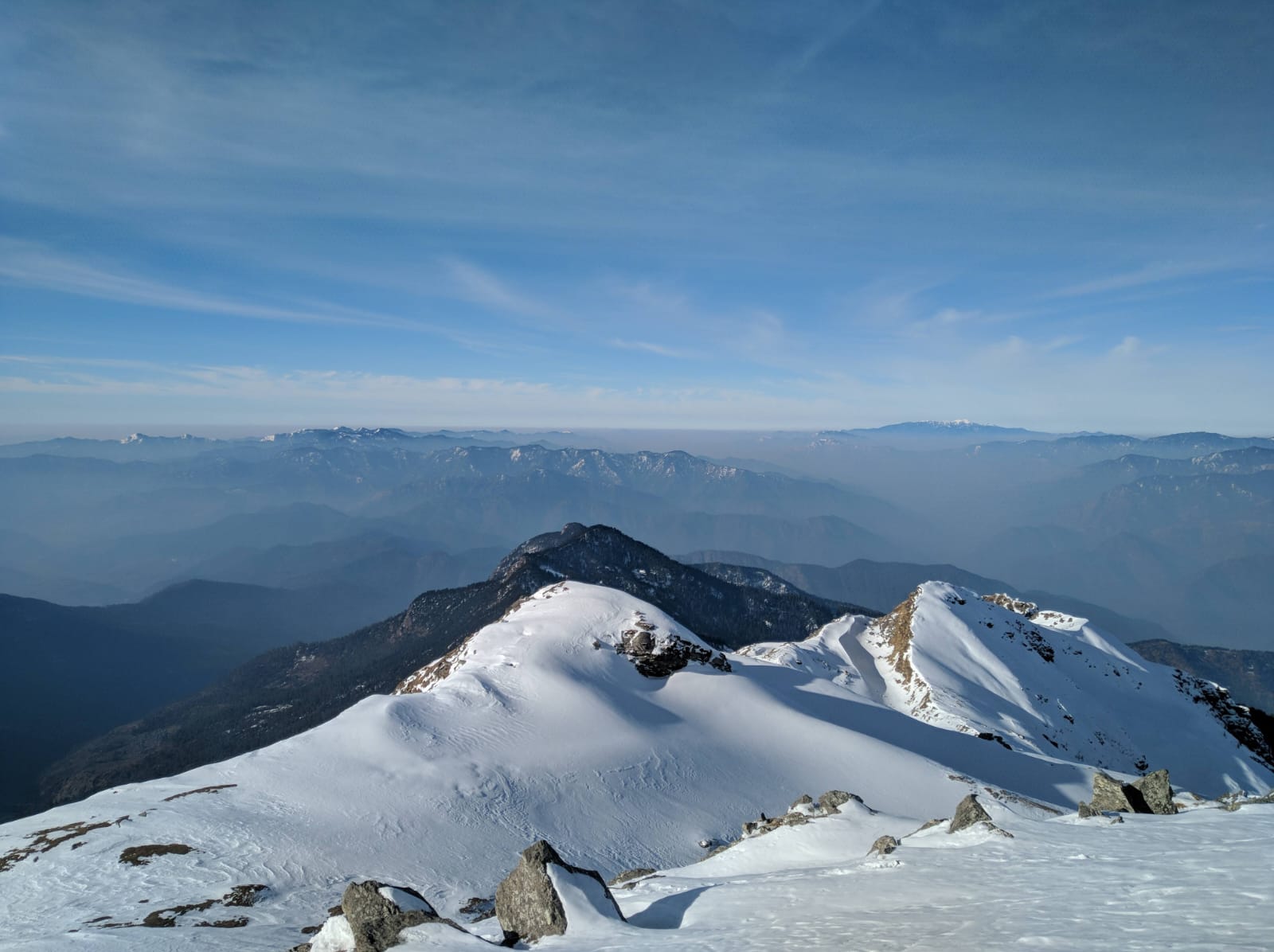
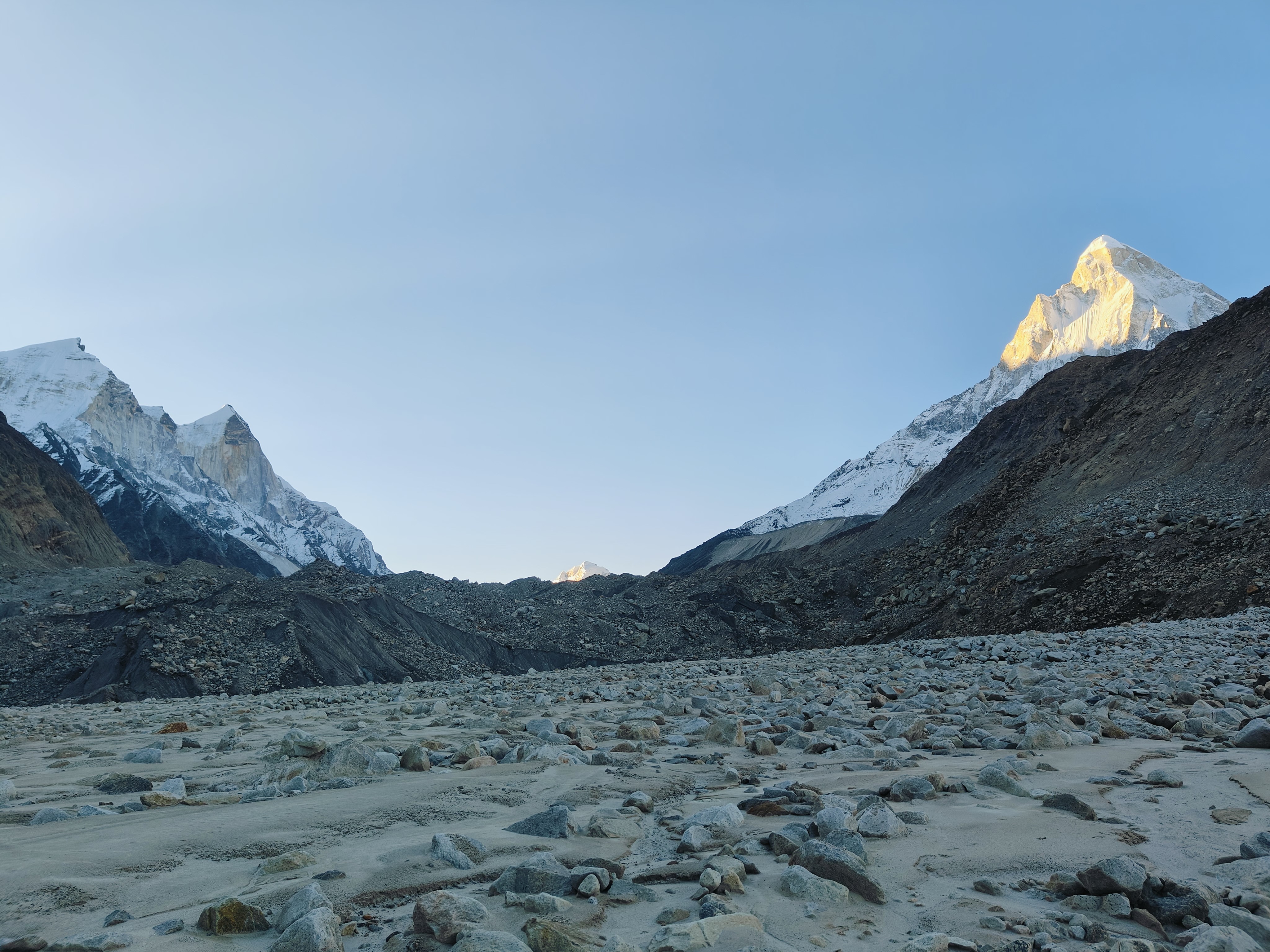
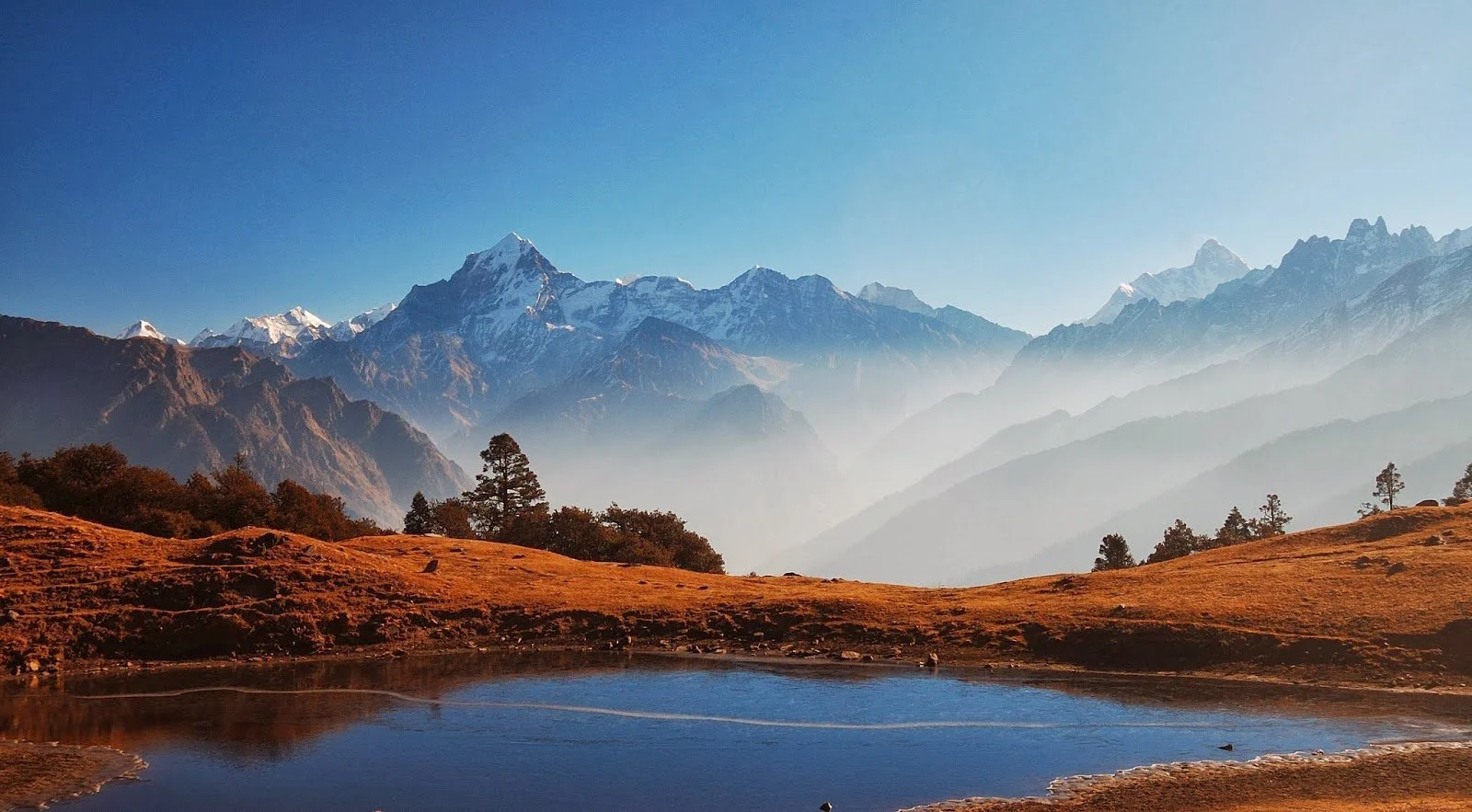
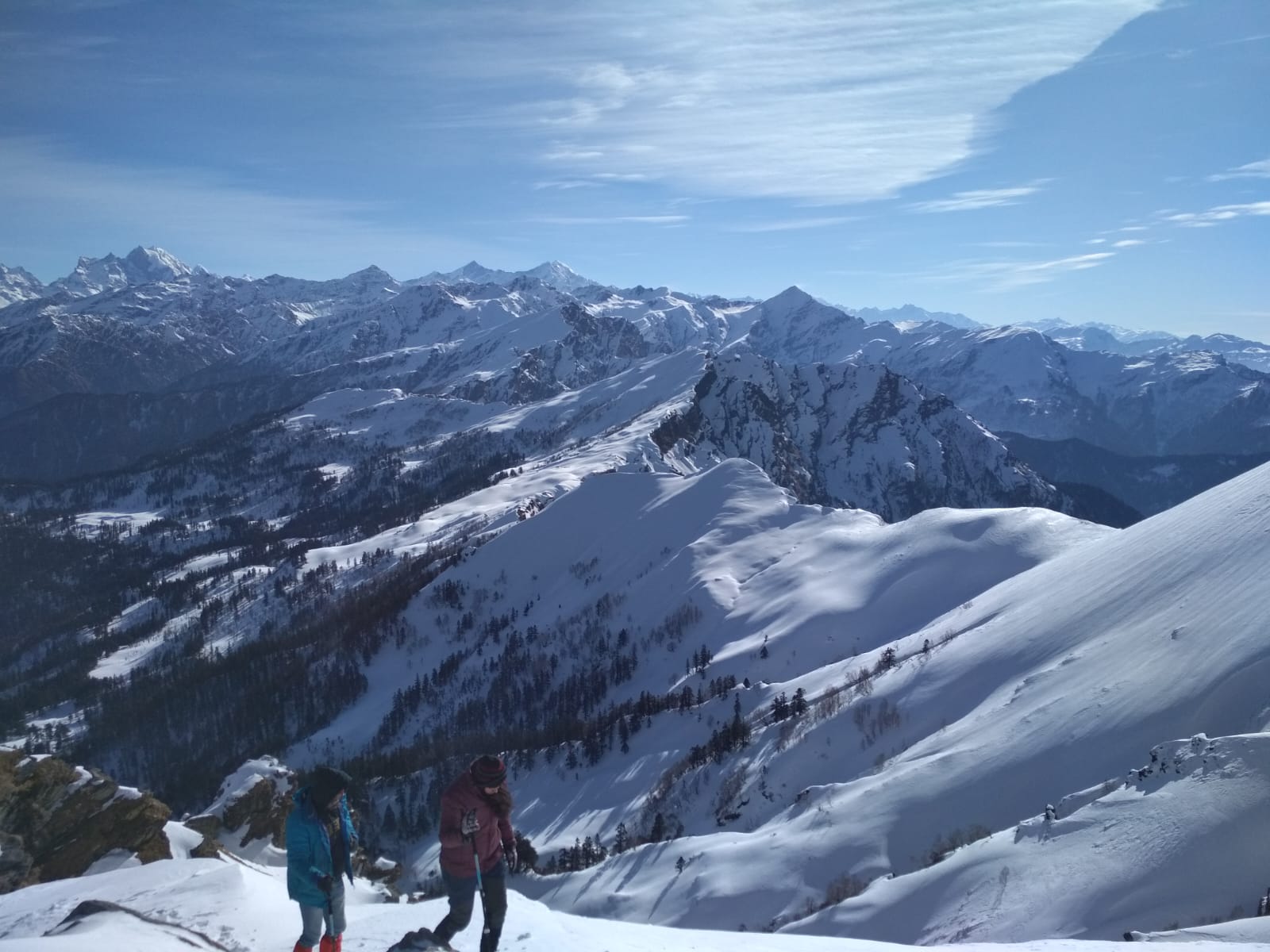
Snow reflects light differently. Pine and oak forests take on a stark appearance. Mountain lakes may freeze. High ridges can become more dramatic against clear winter skies. And when clouds clear after a snowfall, distant Himalayan peaks can appear exceptionally sharp.
That combination of physical challenge and visual transformation is one reason winter trek 2026-2027 can be approached as an experience rather than simply another trip on the calendar.
There is another reason winter travel deserves a closer look: Himalayan winter conditions cannot simply be assumed to remain the same every year.
Snowfall, temperature, precipitation and accessibility can vary from one season to another. Long-term changes in climate also mean that travellers should be careful about treating historical snowfall patterns as guarantees for a particular winter.
For tourism, this has a practical consequence.
A destination that traditionally attracts visitors for heavy snow may experience different conditions in a particular season. Conversely, a region that receives less attention may offer excellent winter conditions at the right time.
That means planning a winter trek 2026-2027 should not be based solely on photographs from previous years.
Current weather information, official advisories, local trail conditions and transportation updates should become part of the planning process as the travel date approaches.
This is particularly important in high-altitude environments, where a change in weather can affect roads, trails and travel schedules.
It also changes the way travellers should think about the word “winter.”
Winter does not mean the same thing across the entire Himalayan region.
A lower-altitude destination may have cold mornings but accessible trails, while a higher route may have deep snow and significantly more demanding conditions. One valley may be accessible by road while another may face temporary disruption.
The Himalayan winter, therefore, is not one uniform experience.
It is a collection of microclimates, altitudes, landscapes and local conditions.
For travellers, this uncertainty can actually make winter exploration more rewarding—provided it is approached with flexibility rather than rigid expectations.
So, what makes Winter 2026–27 worth watching?
The answer is not necessarily that it will bring more snow, less snow or a specific weather pattern. Such claims should only be made when supported by reliable seasonal forecasts closer to the period.
Instead, the potential difference lies in how travellers experience the Himalayas.
The popularity of experience-driven travel has encouraged people to look beyond conventional sightseeing. A traveller may now choose a multi-day trek, a village homestay, a local food experience or a snow adventure instead of simply visiting a major hill station.
This makes the idea of a winter trek 2026-2027 particularly relevant.
The journey can combine adventure with slower travel: trekking during the day, spending evenings in mountain settlements, learning about local traditions and experiencing the landscape without trying to rush through it.
Infrastructure is another factor.
Uttarakhand Tourism currently promotes a broad range of trekking experiences, including winter-specific routes such as Kedarkantha and Brahmatal, along with destinations such as Auli and Gorson Bugyal. Auli, in particular, has developed as a major winter skiing destination, with January to March identified by Uttarakhand Tourism as the preferred period for skiing.
These developments give travellers more ways to experience the mountains.
A winter holiday no longer has to mean choosing between a ski resort and staying indoors. Depending on conditions and local regulations, it can involve trekking, skiing, snow walks, photography, cultural experiences or simply spending time in a mountain village.
The important point is to allow the destination to determine the experience rather than arriving with a single fixed expectation.
The Himalayas are too diverse to reduce to a single “best winter destination.” Different places offer different kinds of winter experiences.
Kedarkantha is one of Uttarakhand's established winter trekking routes. The official tourism description highlights snow-covered forests, a frozen Juda Lake and a summit experience at approximately 3,800 metres.
For someone looking for a structured introduction to a Himalayan winter trek, it represents the classic combination of forest trails, snow, camps and summit views.
Auli offers a different interpretation of winter.
Known as a major skiing destination, it sits at around 2,800 metres and provides views towards high Himalayan peaks including Nanda Devi. Uttarakhand Tourism also identifies Auli as a gateway to trekking destinations such as Gorson Bugyal and other mountain routes.
This makes it suitable for travellers who want to combine a winter mountain stay with snow-based adventure.
Himachal Pradesh offers a wide range of winter environments, from accessible hill stations to high-altitude landscapes and adventure routes.
The state tourism department highlights winter activities such as skiing and heli-skiing, while its trekking portfolio includes routes across valleys, forests, alpine terrain and high mountain passes.
The advantage here is variety. A traveller can approach winter through adventure, culture, landscape photography or a combination of all three.
The Kumaon Himalayas offer another side of winter travel.
Uttarakhand Tourism describes the region as a destination for trekkers, nature photographers and cultural explorers, with places such as Munsiyari, Pithoragarh and Bageshwar providing access to mountain landscapes and traditional communities.
For travellers who want their winter trekking destination to feel less like a conventional resort and more like a mountain journey, Kumaon can provide a different perspective.
Perhaps the biggest mistake a traveller can make when planning a Himalayan winter trip is to think only about snowfall.
Snow is visually spectacular, but it should not be the sole measure of a successful winter journey.
Winter can bring exceptionally clear mountain views, quieter trails, distinctive local food and opportunities to understand how Himalayan communities adapt to the cold season.
It can also create opportunities for photography that are difficult to replicate during other seasons. Snow changes the colour palette of the landscape, simplifies distant ridgelines and creates strong contrasts between forests, villages and mountains.
For trekkers, meanwhile, the attraction can be more fundamental.
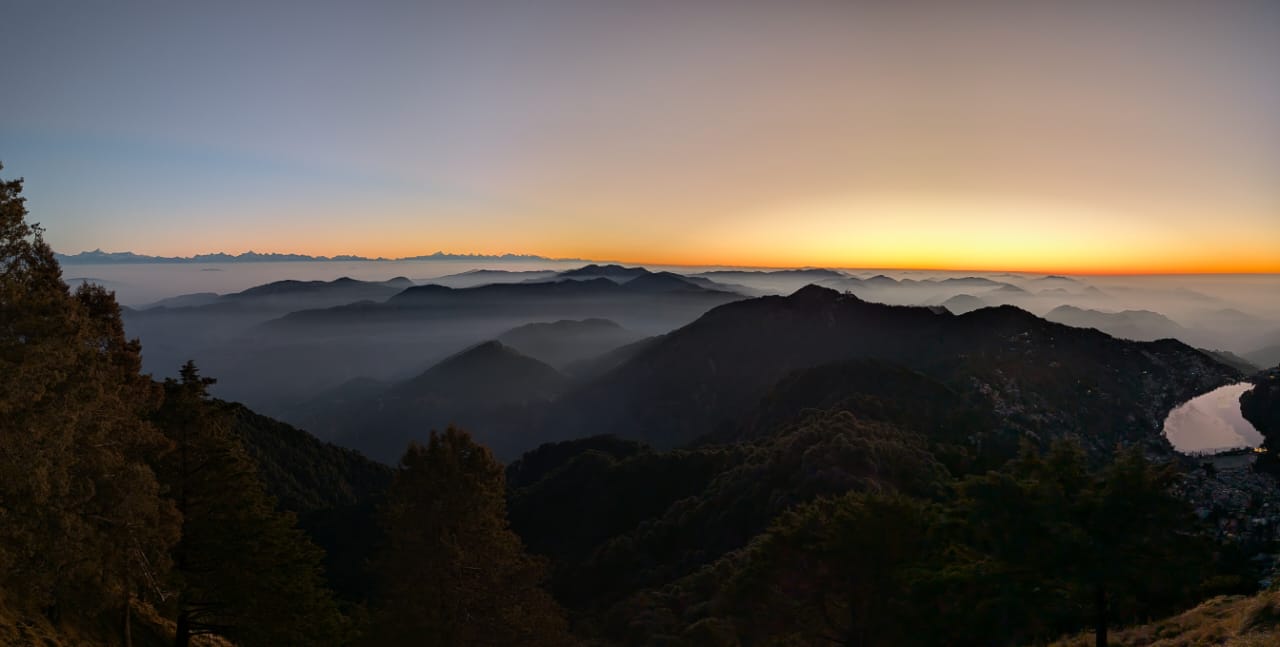
Walking through a silent forest after fresh snowfall can feel completely different from walking the same route in summer. A frozen lake can turn an ordinary campsite into a memorable landscape. A sunrise from a mountain ridge can become the defining moment of an entire journey.
And then there is the human side of winter.
In many Himalayan communities, winter is not simply a tourism season. It is part of the annual rhythm of mountain life. Travellers who spend time in local communities can encounter traditions, food and everyday practices shaped by the environment.
That is why the most meaningful winter trek 2026-2027 may not necessarily be the one with the deepest snow or the highest summit.
It could be the journey that allows you to understand the mountains differently.
The Himalayas in winter invite you to slow down, prepare carefully and pay attention. The cold becomes part of the experience rather than something to overcome, while snow becomes one element of a much larger landscape.
And as winter travel continues to evolve, that may be the real change: moving from simply seeing the Himalayas in winter to experiencing them as a winter landscape.
Once you understand what makes the Himalayan winter different, the next question is more personal: which trek should you actually choose?
There is no single route that suits every traveller. Someone who has never experienced snow may want a relatively accessible trail, while an experienced trekker may be looking for deeper snow, longer mountain days or a higher summit. The right choice depends on a combination of fitness, previous trekking experience, the amount of time available and the kind of landscape you want to experience.
For anyone planning a winter trek 2026-2027, this is particularly important because winter conditions can change the practical difficulty of a route. A trek that feels comfortable in autumn may require more effort after a fresh snowfall. Snow can slow your walking pace, while icy sections may require additional caution and appropriate equipment.
For beginners, an established winter route such as Kedarkantha can offer a structured introduction to snow trekking. Uttarakhand Tourism describes Kedarkantha as a winter route through oak and pine forests, with a summit around 3,800 metres and snow-covered sections during winter. More experienced trekkers may prefer routes that involve higher altitude, longer days or more demanding terrain.
The important thing is not to choose a trek simply because it looks spectacular in photographs. A good winter trek is one where the difficulty, altitude, weather conditions and itinerary are realistic for the people taking part.
A winter trek can look simple from a distance: a trail, a few camps and a landscape covered in snow. Once you are actually walking through it, however, the experience is much more layered.
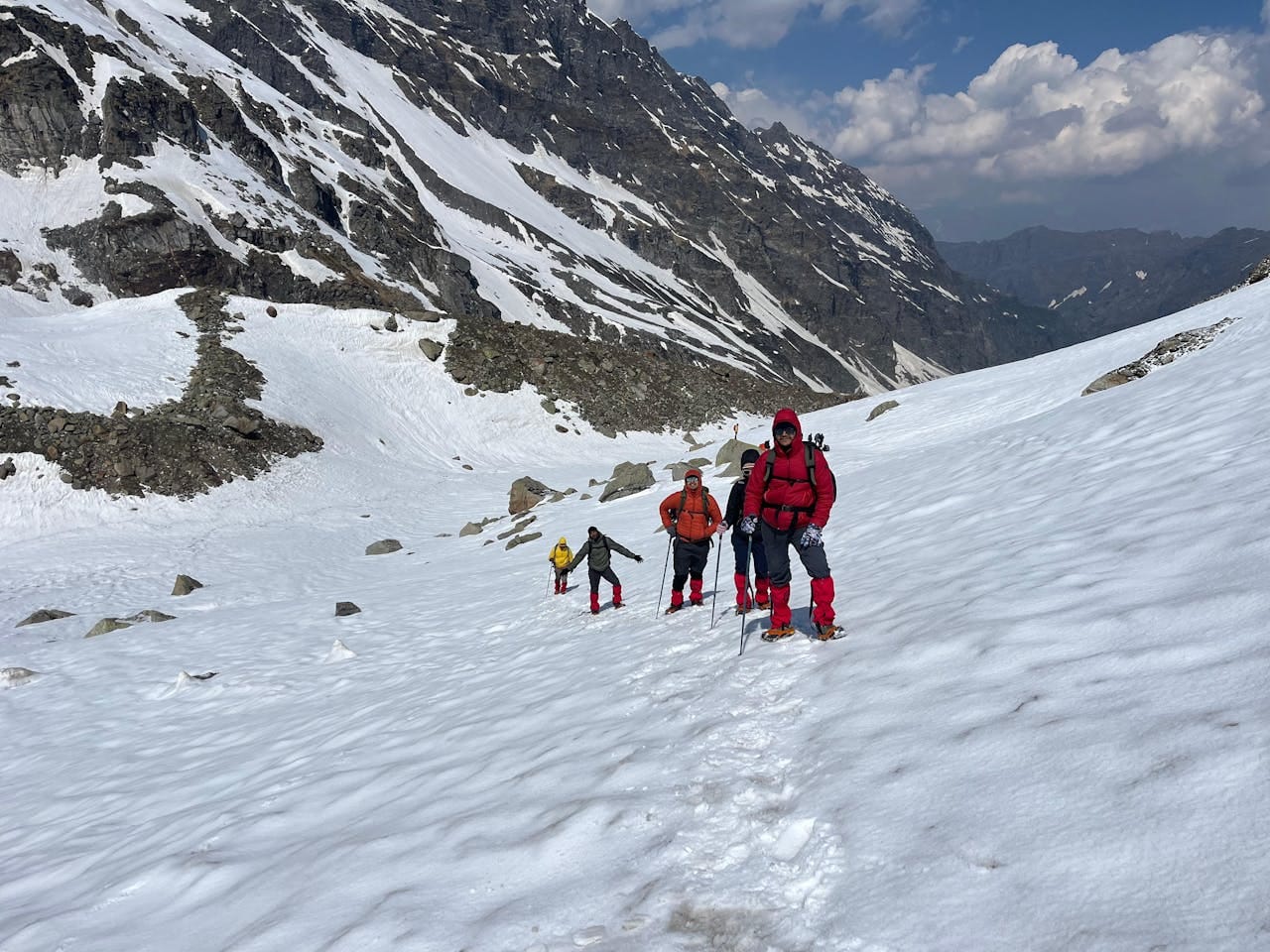
Your pace may be slower than expected. Snow absorbs energy with every step, particularly when the surface is soft or uneven. A trail that normally takes a few hours can require considerably more time under winter conditions. This is why winter itineraries often need flexibility rather than being treated as a strict race against the clock.
Cold also changes your daily routine. Getting out of a warm sleeping bag early in the morning can be one of the hardest parts of a winter trek. Water bottles may need protection from freezing, gloves become essential rather than optional and small decisions such as when to add or remove a layer can make a noticeable difference to comfort.
Then there is the daylight. Winter days are shorter, so trek schedules generally need to account for the available daylight, particularly on summit days or longer trail sections.
None of this should make winter trekking sound intimidating. In fact, these small challenges are part of what makes the experience memorable. There is a certain satisfaction in walking through a silent forest in the morning, reaching a snow-covered meadow and watching the landscape change as the sun moves across the mountains.
A Himalayan winter trek 2026-2027 is therefore as much about adapting to the environment as it is about reaching a destination.
Preparation becomes especially important when planning winter trekking in India. The mountains do not require you to be an athlete, but they do require you to arrive prepared for the conditions you are likely to encounter.
Physical preparation should begin before the trek. Regular walking, stair climbing, jogging or other cardiovascular activities can help build endurance. Strengthening the legs is also useful because snow can make ascents more tiring than they appear on a map. The goal is not to train for speed; it is to develop the ability to maintain a steady pace for several hours.
Clothing needs equal attention. Winter trekking is best approached through layers rather than relying on one extremely thick jacket. A base layer can help manage moisture, an insulating layer provides warmth and an outer layer protects against wind or precipitation. Warm gloves, socks and appropriate trekking footwear become particularly important once temperatures drop below freezing.
Equipment requirements vary according to the trek and current conditions. On some snowy routes, traction aids may be useful or necessary, while poles can provide additional stability on uneven terrain. A trek operator or local guide should be able to advise participants about the equipment appropriate for the actual conditions rather than relying on a generic packing list.
Hydration is another detail that people sometimes underestimate in winter. You may not feel as thirsty as you would during a hot summer trek, but your body still needs fluids. Eating regularly is also important because walking in cold conditions requires sustained energy.
Good preparation does not remove every challenge from a winter trek. What it does is allow you to spend more of your attention enjoying the mountains instead of struggling with avoidable discomfort.
Winter conditions can make local knowledge particularly valuable.
A mountain trail does not always remain the same throughout the season. A section that was clearly visible a few days earlier may become covered after snowfall. Frozen streams, changing snow conditions and altered trail markings can make route-finding more complicated than it is during a dry season.
Local trek leaders and mountain teams also understand the practical realities of the region. They can assess the pace of the group, monitor changing conditions and make decisions when the original plan needs to be adjusted.
This becomes particularly important at higher elevations. Altitude, cold and physical exertion can combine to make a day much harder than expected. A responsible trekking team should be prepared to respond when a participant is struggling rather than treating the itinerary as more important than the people on the trail.
For travellers booking a winter trek 2026-2027, this is one area where it is worth looking beyond the advertised photographs and price. Check who operates the trek, how the team handles changing conditions, what safety arrangements are in place and whether the itinerary allows enough time for the route.
Winter trekking is an adventure, but it should not be approached casually.
One of the most rewarding aspects of winter trekking destinations is that the mountains become quieter. With fewer visitors on many trails, travellers may have more opportunities to interact with local communities and observe a side of mountain life that is less visible during peak seasons.
Villages in the Himalayas have always adapted their routines to winter. Food, clothing, work patterns and travel can all be influenced by the colder months. When travellers spend time in these communities rather than moving directly between major tourist centres, they get a better sense of how people actually live in the mountains.
This is also where responsible tourism becomes important.
A winter trekking trip should leave as little unnecessary impact as possible. Carrying waste back, avoiding single-use plastics where possible, respecting local customs and staying on established trails are simple steps that can make a difference.
Supporting local guides, cooks, drivers, homestays and small businesses can also help ensure that tourism benefits the communities that host travellers.
The best winter trek 2026-2027 does not have to be the one where you collect the most photographs. It can be the one where you return with a better understanding of the landscape and the people who call it home.
The term “winter trek” covers a fairly long period, and conditions can change significantly between the beginning and end of the season.
Early winter may bring cold temperatures without the same depth of snow found later in the season. After successive snowfall events, higher routes can become much more deeply covered. Towards the later part of winter, conditions can again begin to change as temperatures gradually rise.
This means there is no universal date that guarantees the same experience across every winter trek in Uttarakhand.
If your main objective is to walk through a snow-covered landscape, you should not assume that every route will have identical conditions throughout December, January and February. Snowfall depends on location, elevation and the weather experienced during that particular season.
This is particularly relevant for winter trek 2026-2027 planning. Instead of booking solely around historical photographs, monitor current conditions as your departure approaches. Weather forecasts, local updates, road accessibility and information from experienced trekking teams can provide a much more realistic picture.
Flexibility is often an advantage in the mountains.
Not everyone who wants to experience winter in the Himalayas needs to undertake a multi-day trek.
A winter mountain holiday can take many forms. A traveller may combine a short hike with a village stay, visit a skiing destination, explore a winter landscape by road or choose a full multi-day trek.
Auli, for example, offers a very different winter experience from a remote trekking route. Uttarakhand Tourism identifies it as a major skiing destination and also describes it as a gateway to trekking areas such as Gorson Bugyal. Someone who wants snow and mountain views but is uncertain about spending several nights in a tent may find this type of destination more suitable.
On the other hand, a traveller who wants the challenge of carrying a backpack, walking for several days and waking up surrounded by mountains may find a dedicated snow trekking experience much more rewarding.
The important distinction is between wanting to see winter and wanting to live through a winter mountain journey.
A trek requires more preparation, but it also provides a deeper sense of immersion. You move at walking speed, spend longer periods outdoors and experience the gradual transition between different altitudes and landscapes.
As winter trekking becomes more popular, responsible travel becomes increasingly important.
Snow can make waste difficult to spot, but that does not mean it disappears. Plastic wrappers, bottles and other waste can remain in the environment long after the trekking season ends. Travellers should carry their waste back and follow the instructions of local authorities or trekking teams.
Respect for wildlife is equally important. Winter can be a difficult season for animals because food and water may be less readily available. Keeping noise under control, avoiding unnecessary disturbance and staying on established trails are simple ways to reduce your impact.
Local communities should also be treated as partners rather than simply as service providers. Ask before photographing people, respect local customs and avoid treating traditional practices as tourist performances.
Responsible travel does not make a Himalayan adventure less exciting. It helps ensure that the mountains remain places where future travellers can have meaningful experiences too.
Once you have chosen a route, planning should begin with the practical details.
Start by checking the trek's altitude, duration, expected difficulty and current route conditions. Look at the daily walking distances rather than relying only on the total number of kilometres. A shorter day at high altitude can sometimes feel more demanding than a longer day at lower elevation.
Then consider the logistics. Road conditions can affect arrival and departure times, particularly after heavy snowfall. Give yourself some flexibility rather than scheduling an important onward journey immediately after the trek.
Your equipment should match the route and season. Do not assume that the packing list for a summer trek is sufficient for winter. Warm layers, gloves, suitable footwear, protection from wind and reliable personal essentials become much more important.
Most importantly, choose a trekking operator that provides clear information rather than promising an unrealistic experience. A responsible operator should explain the expected difficulty, inclusions, equipment requirements, cancellation terms and possible changes caused by weather.
For people searching for winter trekking packages for 2026-2027, this transparency can be more valuable than finding the lowest advertised price.
The Himalayas in winter are visually spectacular, but the real appeal of the season goes much deeper.
It is the sound of footsteps on a frozen trail. It is the warmth of a cup of tea after several hours outside. It is watching sunlight slowly reach a mountain ridge on a cold morning. It is sitting inside a village homestay while the temperature drops outside. It is sharing a meal with a trekking team after a demanding day. And sometimes, it is simply standing quietly in a landscape where there is almost nothing to hear.
That is what makes a winter trek 2026-2027 worth considering.
The season may not deliver exactly the same snowfall as the photographs you have seen online, and conditions can never be guaranteed months in advance. But that uncertainty is part of the nature of mountain travel. The Himalayas are not a controlled attraction waiting to reproduce the same experience every year.
They are a living landscape.
For some travellers, Winter 2026–27 may mean a classic snow trek through Uttarakhand. For others, it may mean discovering a quieter Himalayan valley, spending time with a mountain community, skiing in Himachal Pradesh or exploring the Kumaon region.
What matters is approaching the journey with realistic expectations, good preparation and respect for the environment.
If you are planning your winter trek 2026-2027, start by choosing the experience rather than simply choosing the destination. Decide whether you want snow, solitude, adventure, culture, a summit, a long-distance trail or simply time away from the usual pace of life.
Once you know that, the Himalayas offer plenty of ways to make winter your season for exploration.