Best Winter Treks in India 2026 27
Best Winter Treks in India 2026 27
30
Sep

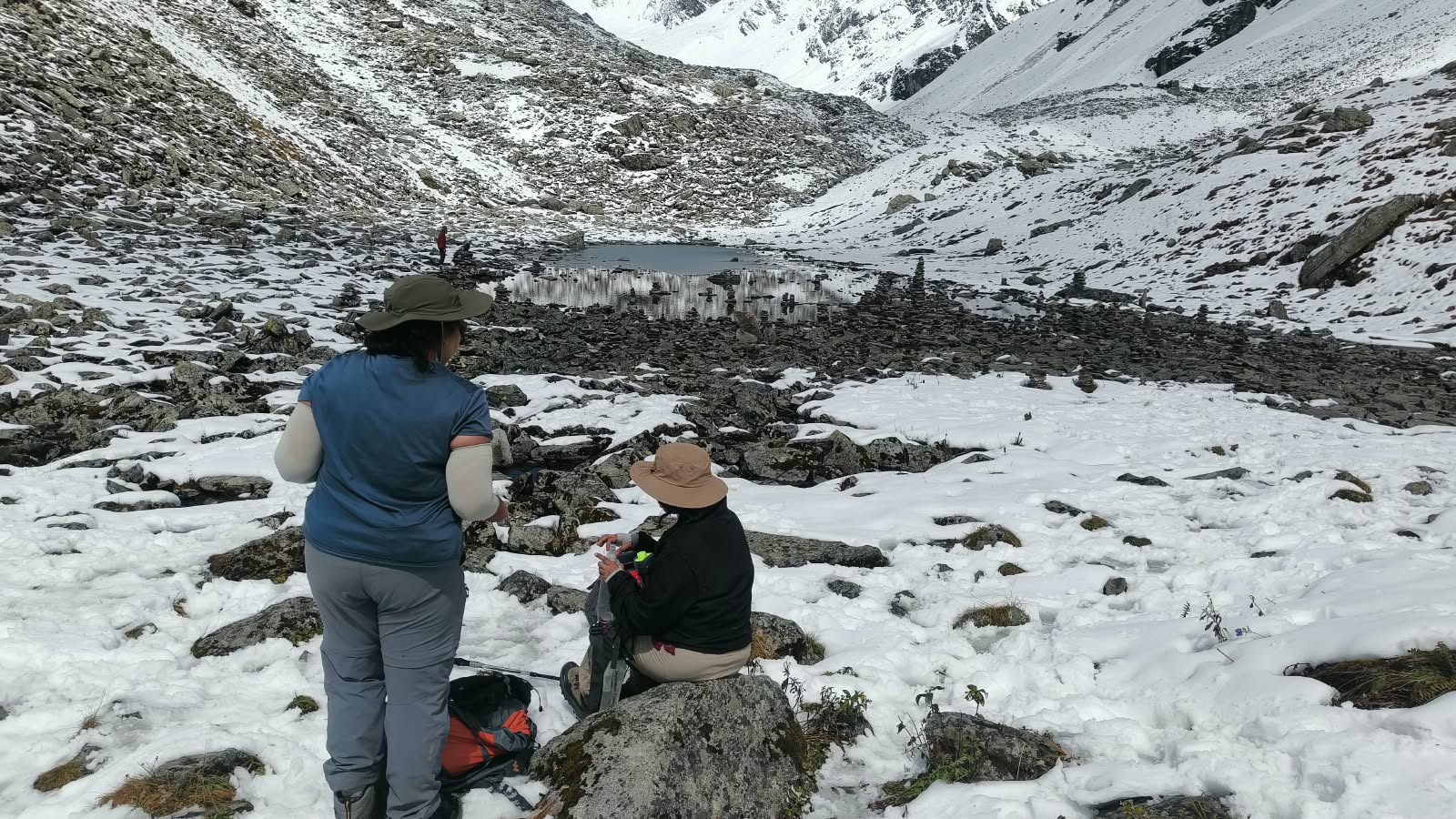
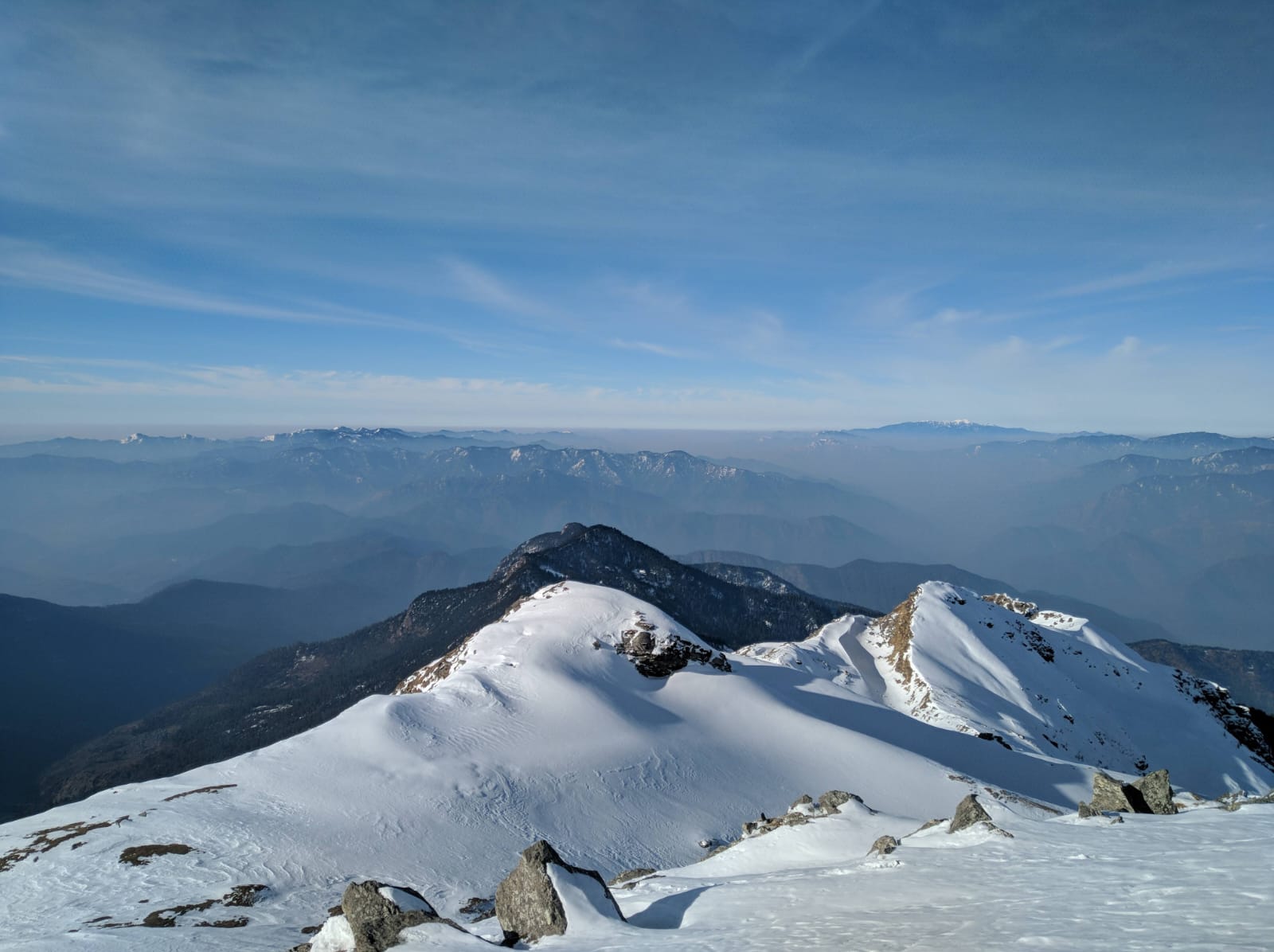
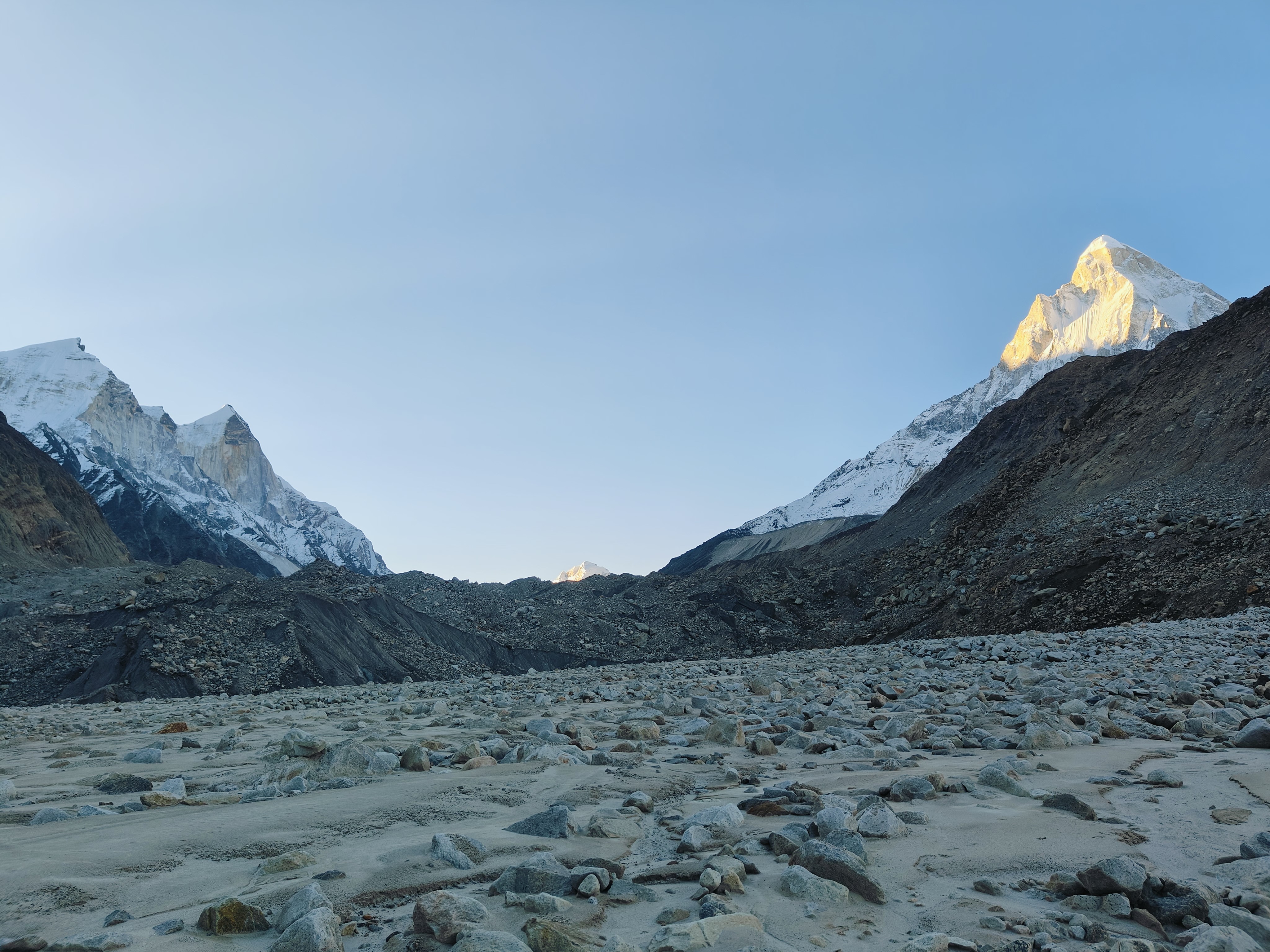
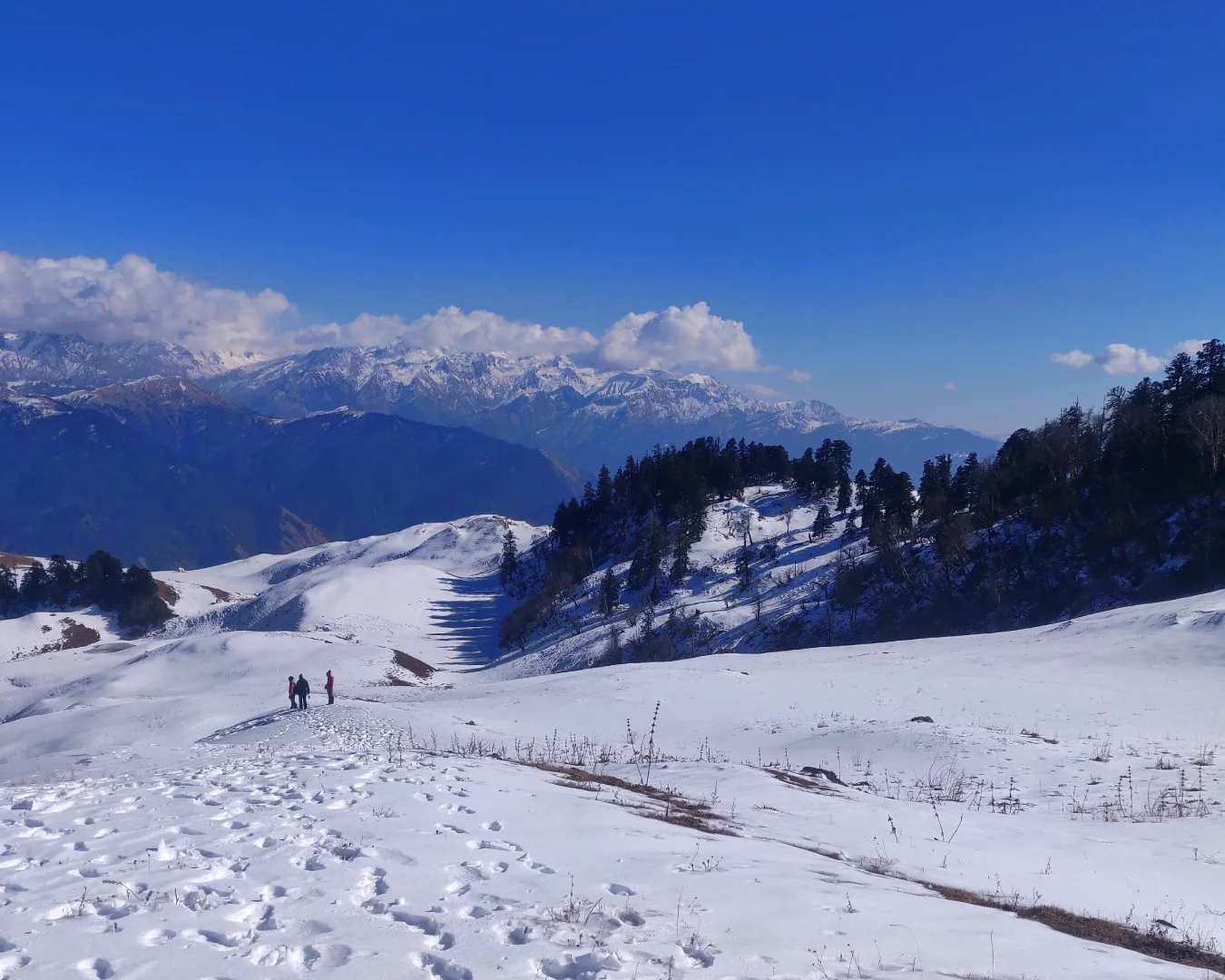
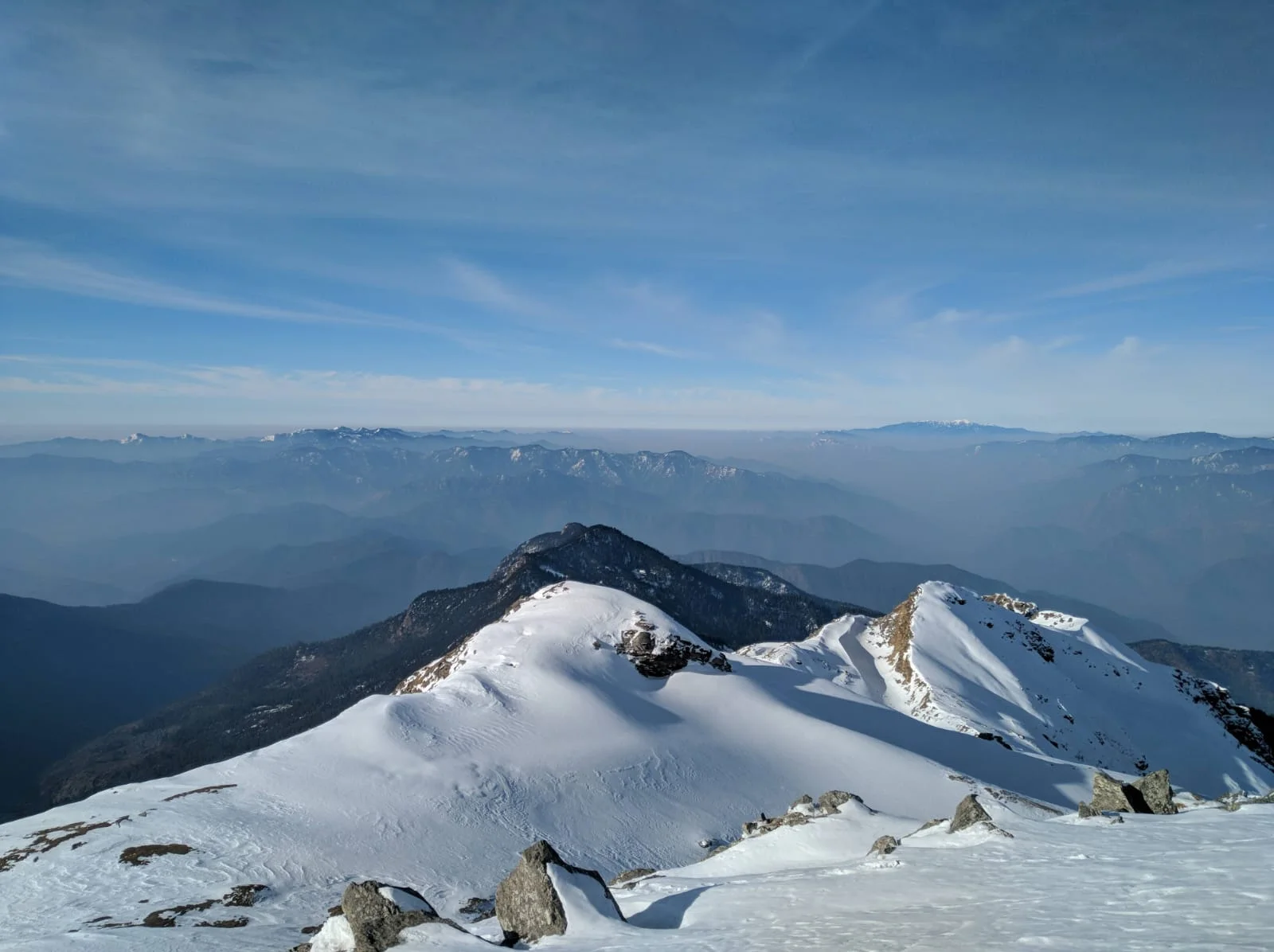
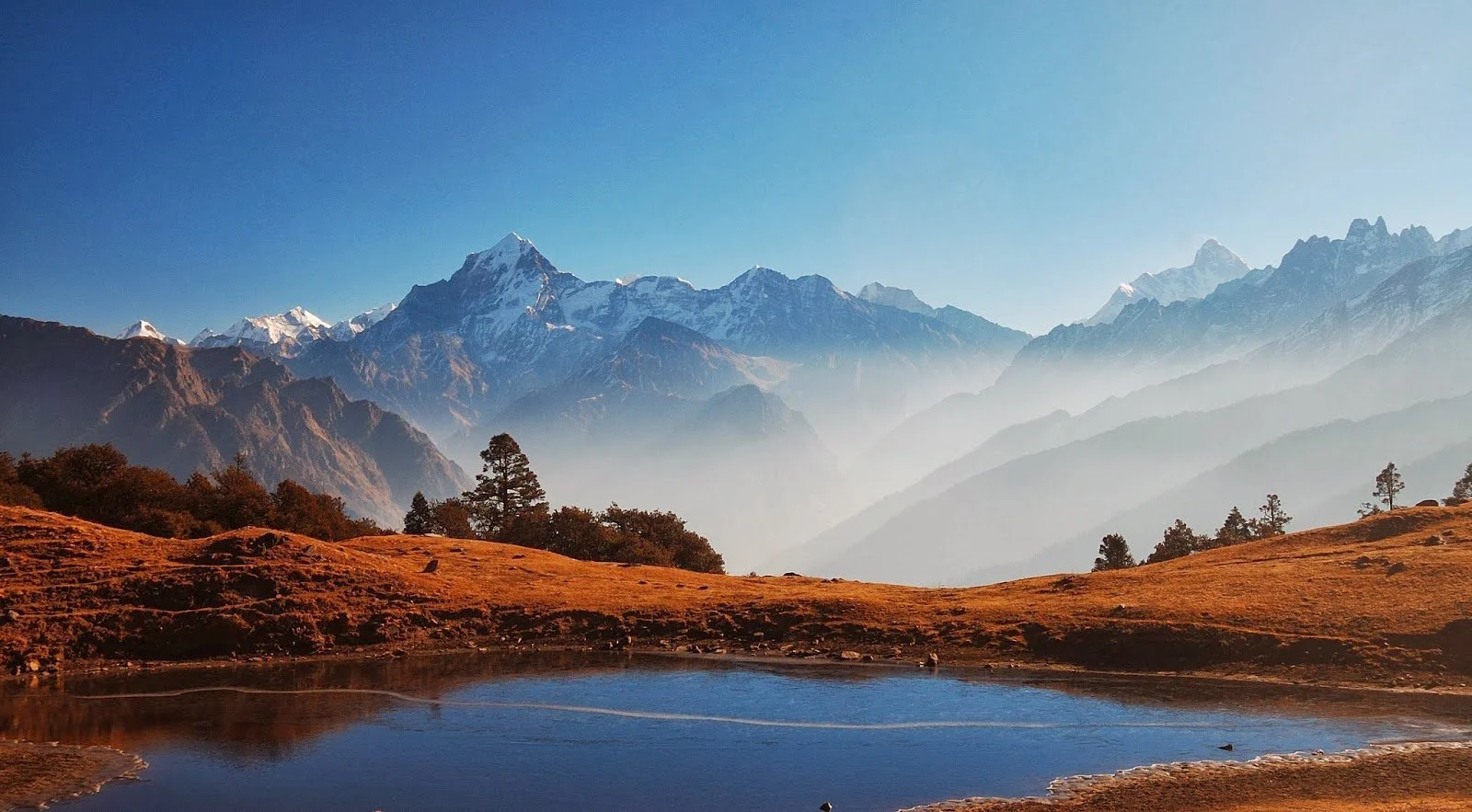
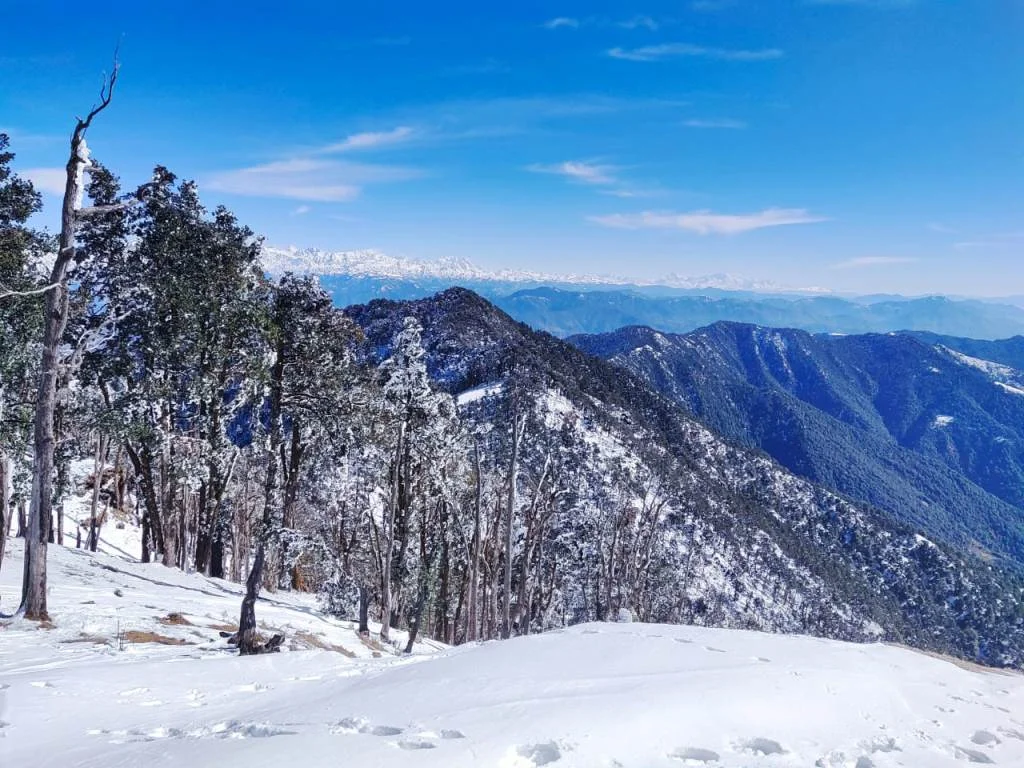
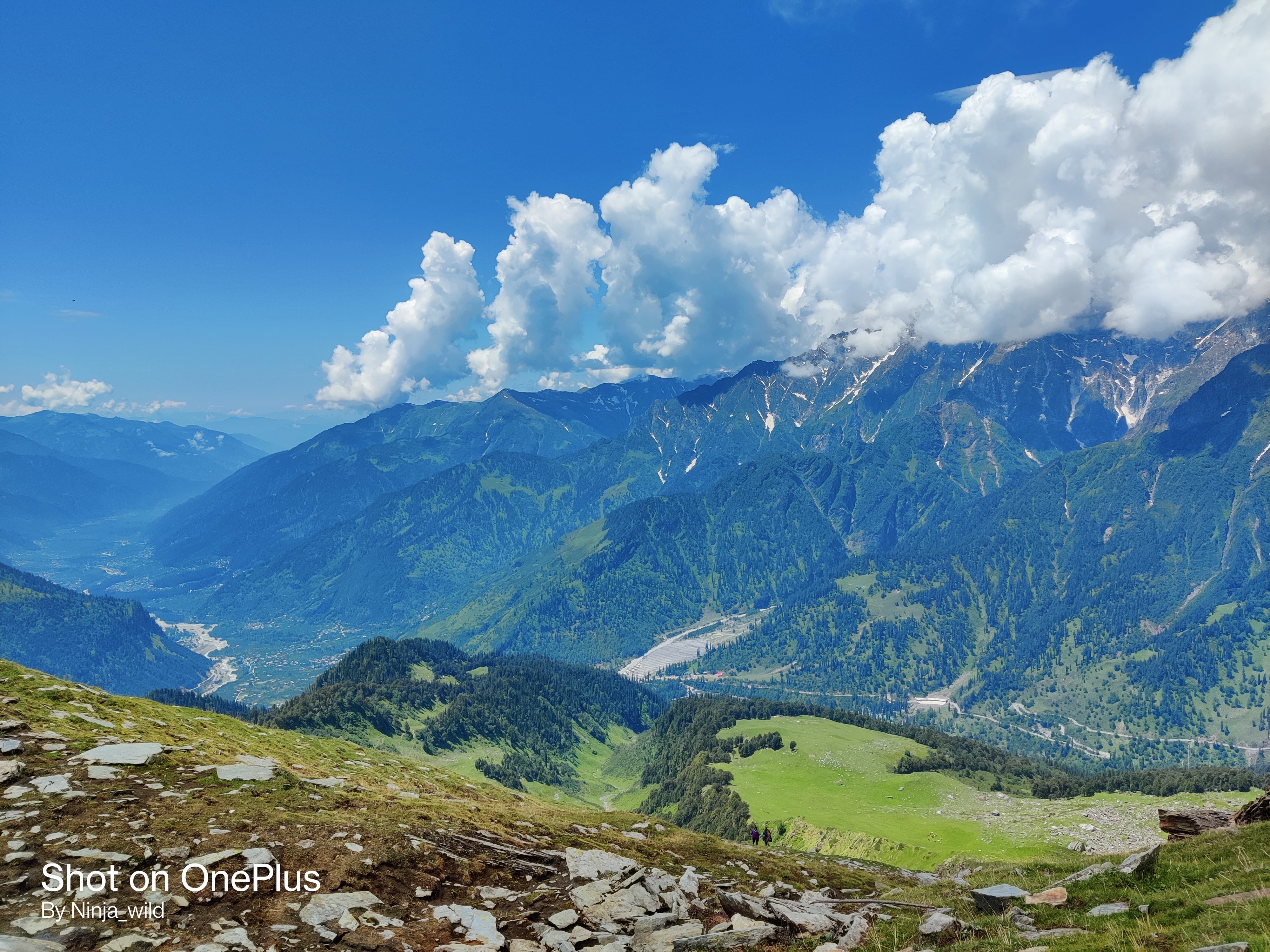
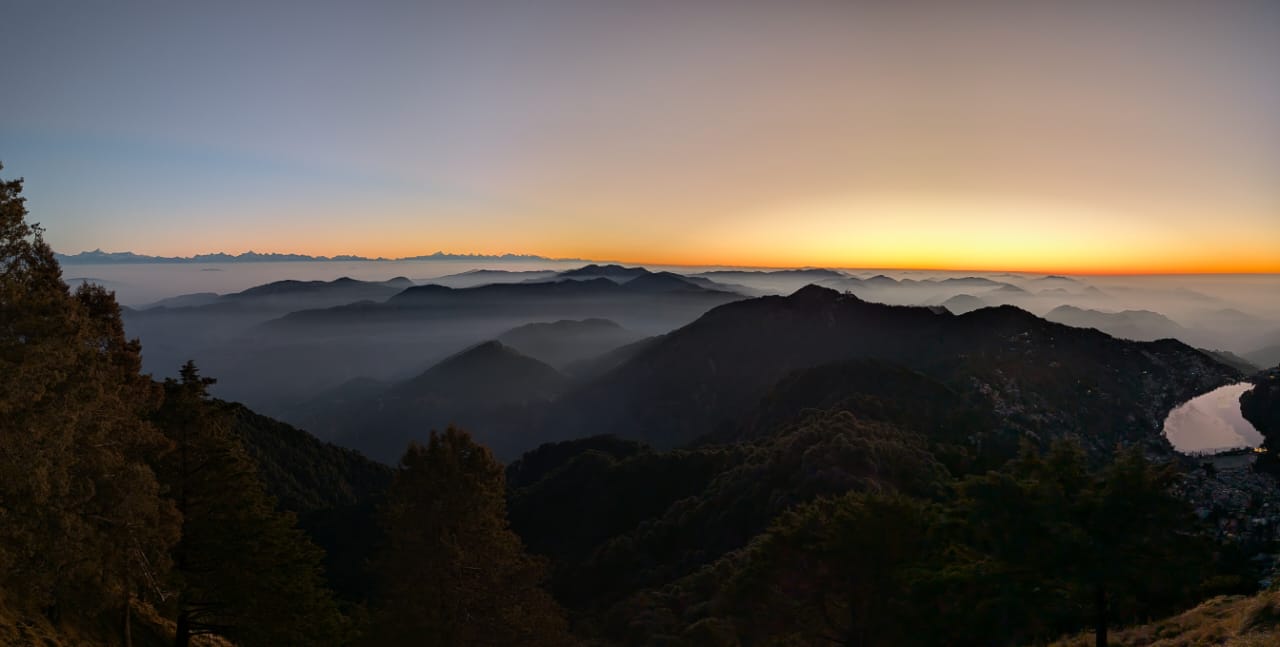
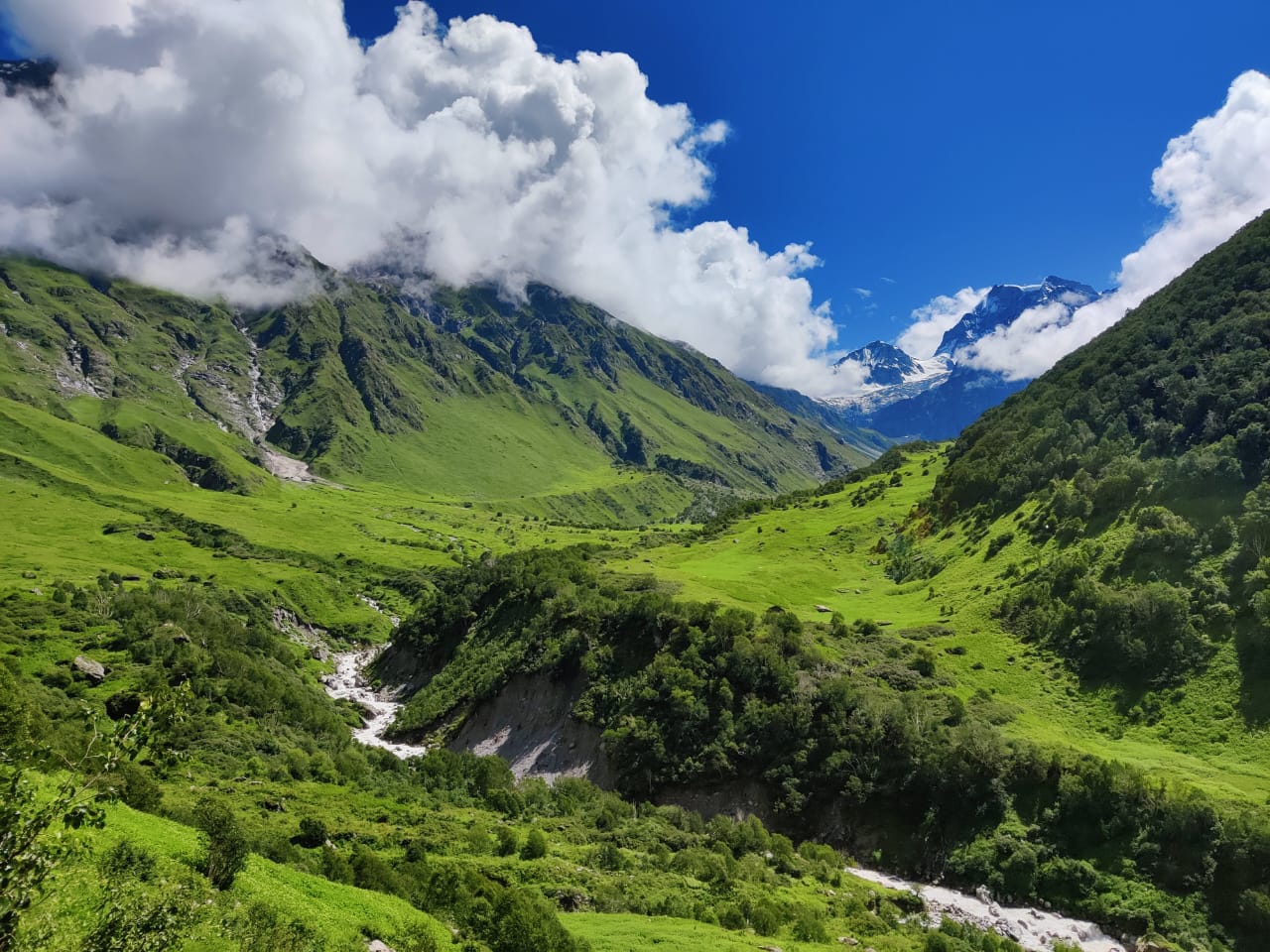
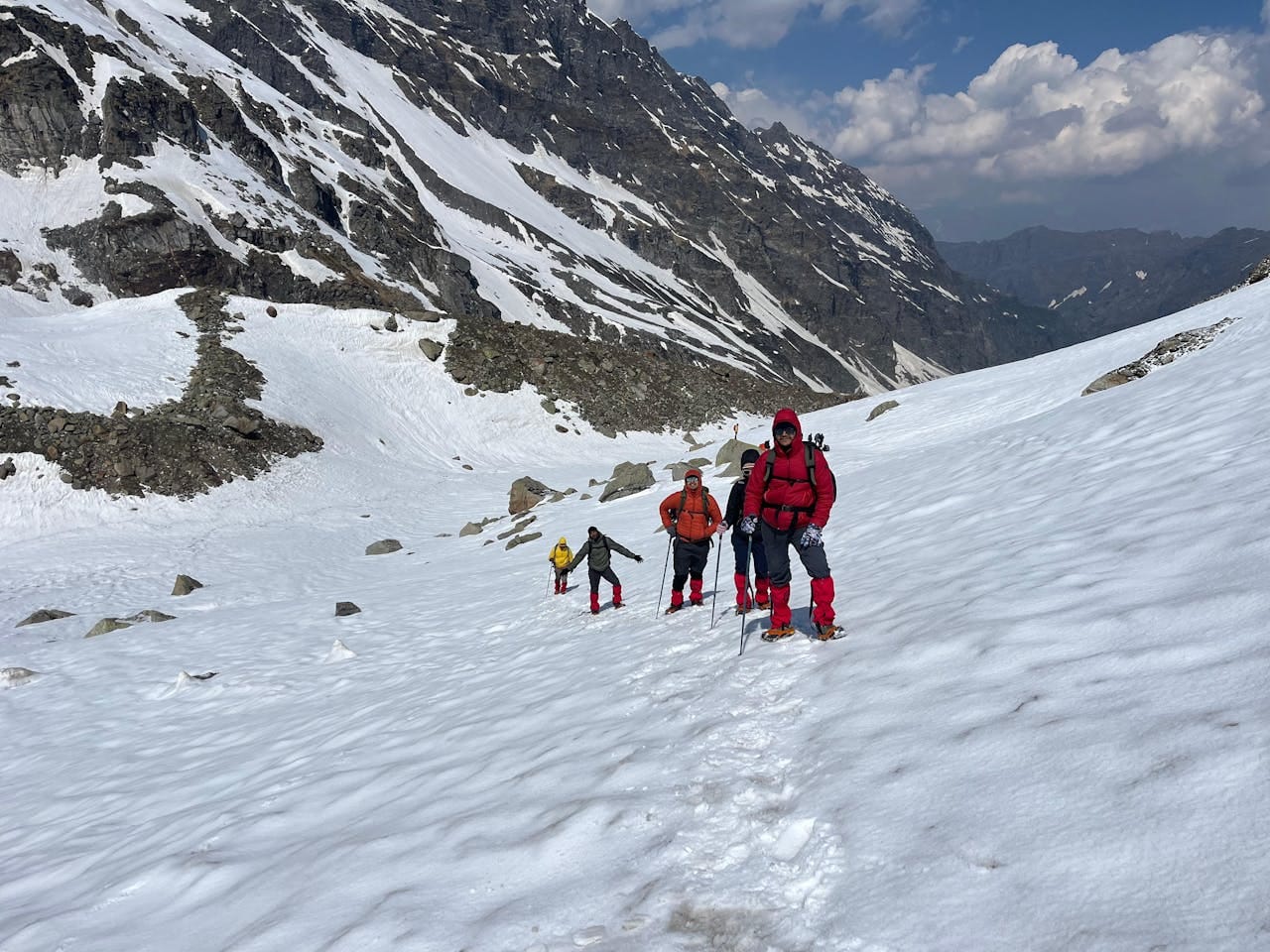
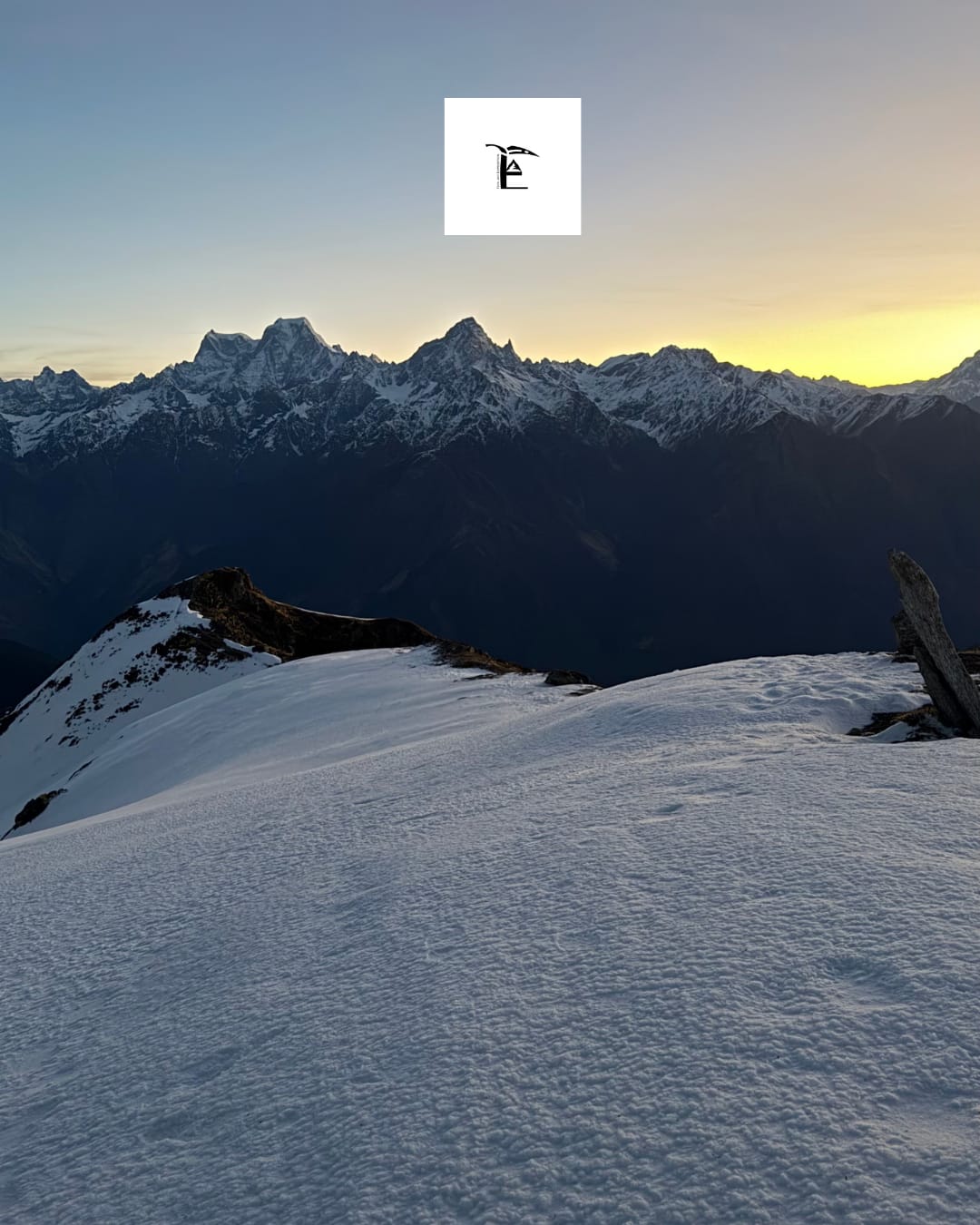
Winter transforms the Indian Himalayas into a spectacular world of snow-covered trails, frozen streams, alpine meadows, pine forests and panoramic mountain views. For trekkers looking for an unforgettable Himalayan adventure, winter is one of the most exciting seasons to explore the mountains.
The Best Winter Treks in India offer different experiences for beginners, experienced trekkers and adventure enthusiasts. From the famous Kedarkantha Trek and Brahmatal Trek to challenging routes such as Pangarchulla Peak Trek and Patalsu Peak Trek, there are numerous options for experiencing snow trekking in the Himalayas.
Whether you are planning your first winter trek or looking for a more challenging high-altitude adventure, this guide covers some of the most popular Snow Treks in India for the 2026–27 winter season.
Winter Trekking in India provides a completely different Himalayan experience compared with summer and autumn trekking. Many high-altitude trails are covered with fresh snow, creating beautiful landscapes and excellent opportunities for winter photography.
During the winter season, trekkers can experience:
The best time for most Himalayan Winter Treks is generally from December to March, although actual snow conditions depend on altitude, weather and the particular trekking route.
Here are some popular winter trekking destinations to consider for the 2026–27 season.
The Kedarkantha Trek is one of the most popular winter trekking routes in India and is particularly well known for its snow-covered landscapes.
Located in Uttarakhand, the trek passes through beautiful pine and oak forests, open meadows and traditional Himalayan villages before reaching the Kedarkantha summit.
The combination of accessible trails, snowy campsites and a summit experience makes Kedarkantha a popular choice for people searching for the Best Snow Treks in Himalayas.
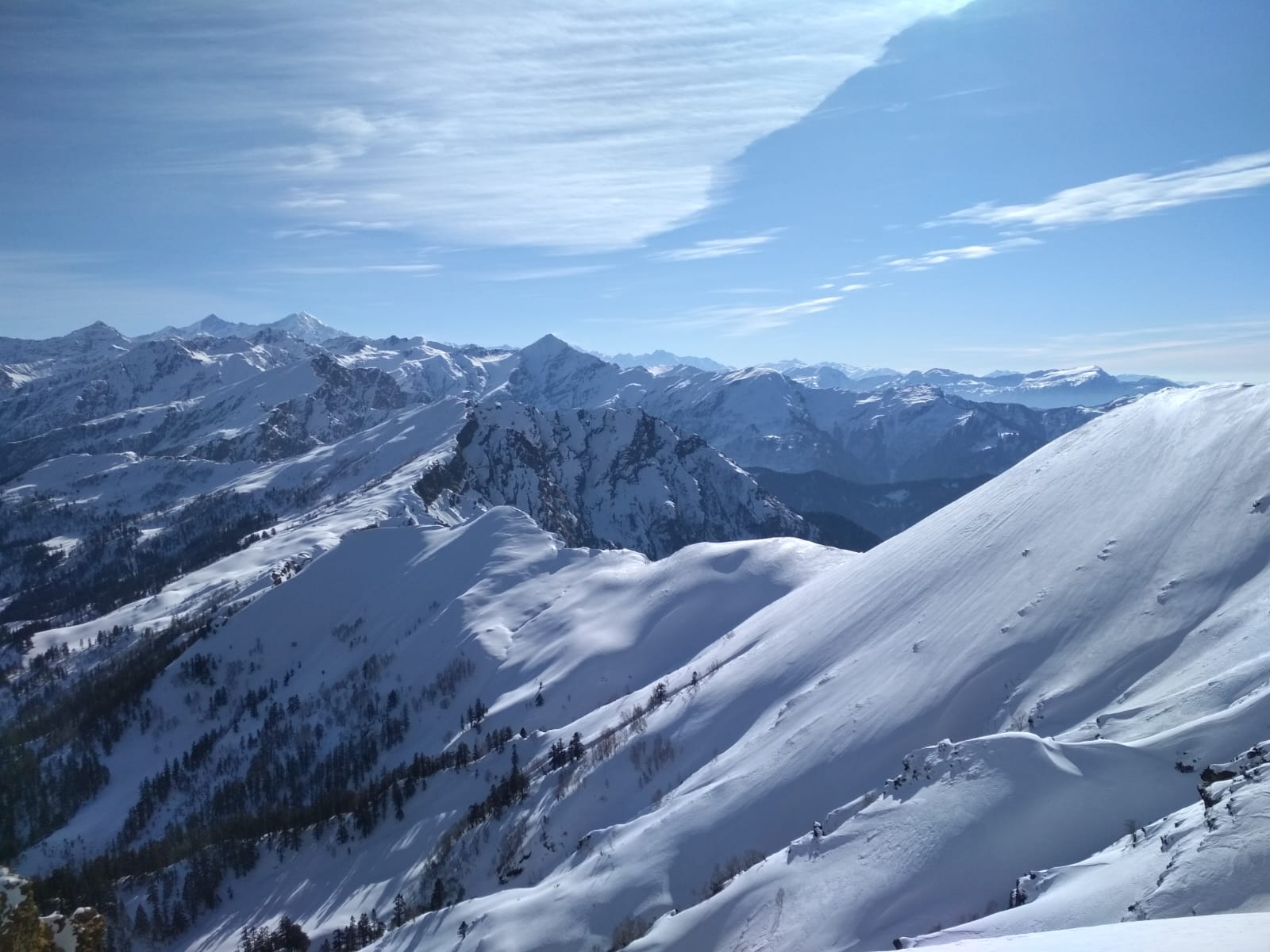
The Brahmatal Trek is another classic winter trek in Uttarakhand. The route passes through forests and snow-covered meadows before reaching the Brahmatal region.
One of the highlights of the trek is the mountain panorama, with views of several Himalayan peaks on clear days.
For trekkers searching for Snow Treks in India, Brahmatal is a strong option for experiencing a classic Himalayan winter landscape.
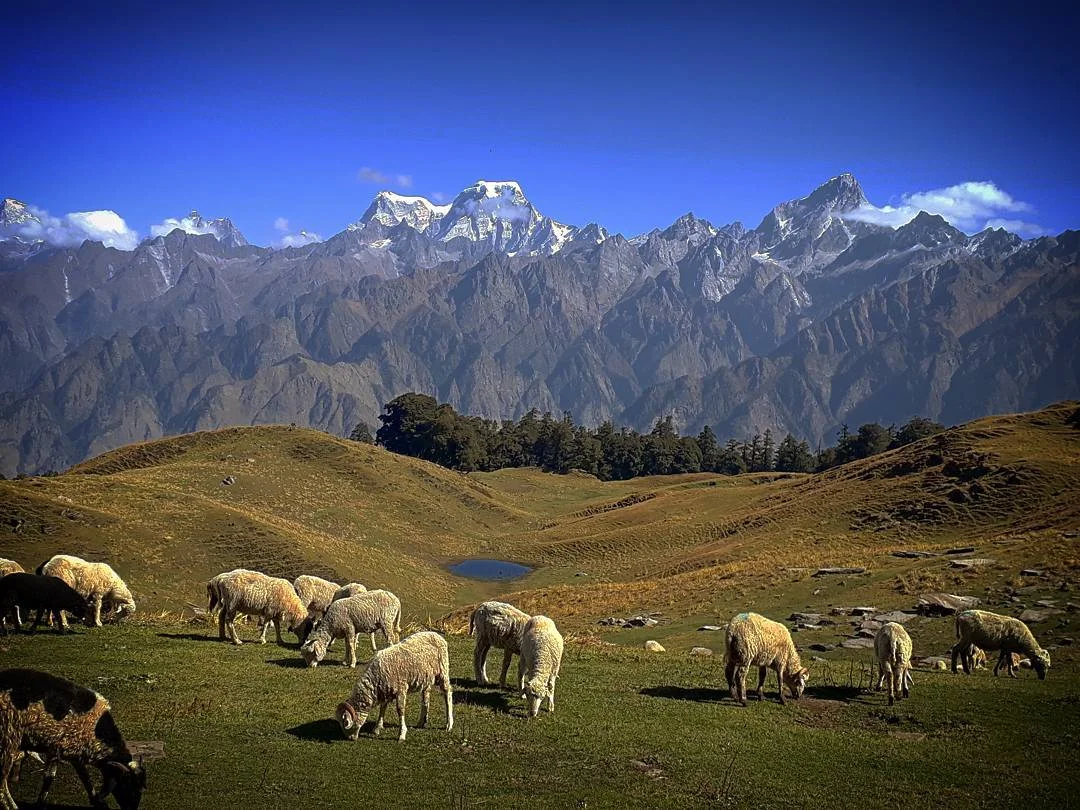
The Dayara Bugyal Trek is famous for its expansive alpine meadows. During winter, the meadows can transform into a beautiful snow-covered landscape.
The trek is particularly attractive for people who want a relatively accessible Himalayan winter adventure without undertaking an extremely technical route.
Dayara Bugyal is an excellent destination for Winter Treks in Uttarakhand.
The Kuari Pass Trek is a classic Himalayan trail in Uttarakhand and offers impressive views of the Greater Himalayas.
Winter can add snow to the route, creating a dramatically different landscape. The trail passes through forests, meadows and high mountain terrain.
Trekkers should be prepared for changing winter weather and potentially snow-covered trails.
The Nag Tibba Winter Trek is one of the more accessible winter trekking options near Mussoorie and Dehradun.
Because of its relatively short duration, Nag Tibba is popular with beginners, weekend trekkers and people who want to experience snow without committing to a long expedition.
Snowfall is weather-dependent, so trekkers should check current conditions before planning a snow trek.
The Aancha Top Trek is an emerging trekking option in Uttarakhand that can provide a beautiful winter mountain experience when snow conditions are favorable.
The route combines forest trails, mountain landscapes and high-altitude terrain, making it an interesting option for trekkers searching for less mainstream Winter Treks in Uttarakhand.
Weather and snowfall conditions can vary significantly, so route conditions should be confirmed before departure.
The Patalsu Peak Trek near Manali is an exciting Himalayan adventure for trekkers looking for a summit experience.
During winter, the trail can become snow-covered, making the climb more demanding and visually spectacular.
Winter conditions can make the terrain slippery and physically demanding. Proper winter trekking equipment and an experienced trekking team are recommended.
The Pangarchulla Peak Trek is a challenging Himalayan summit trek in Uttarakhand. The trail features forests, alpine terrain and a high-altitude summit section.
Winter conditions can significantly increase the difficulty because of snow and cold temperatures.
This trek is more appropriate for trekkers who have good physical fitness and some previous high-altitude trekking experience.
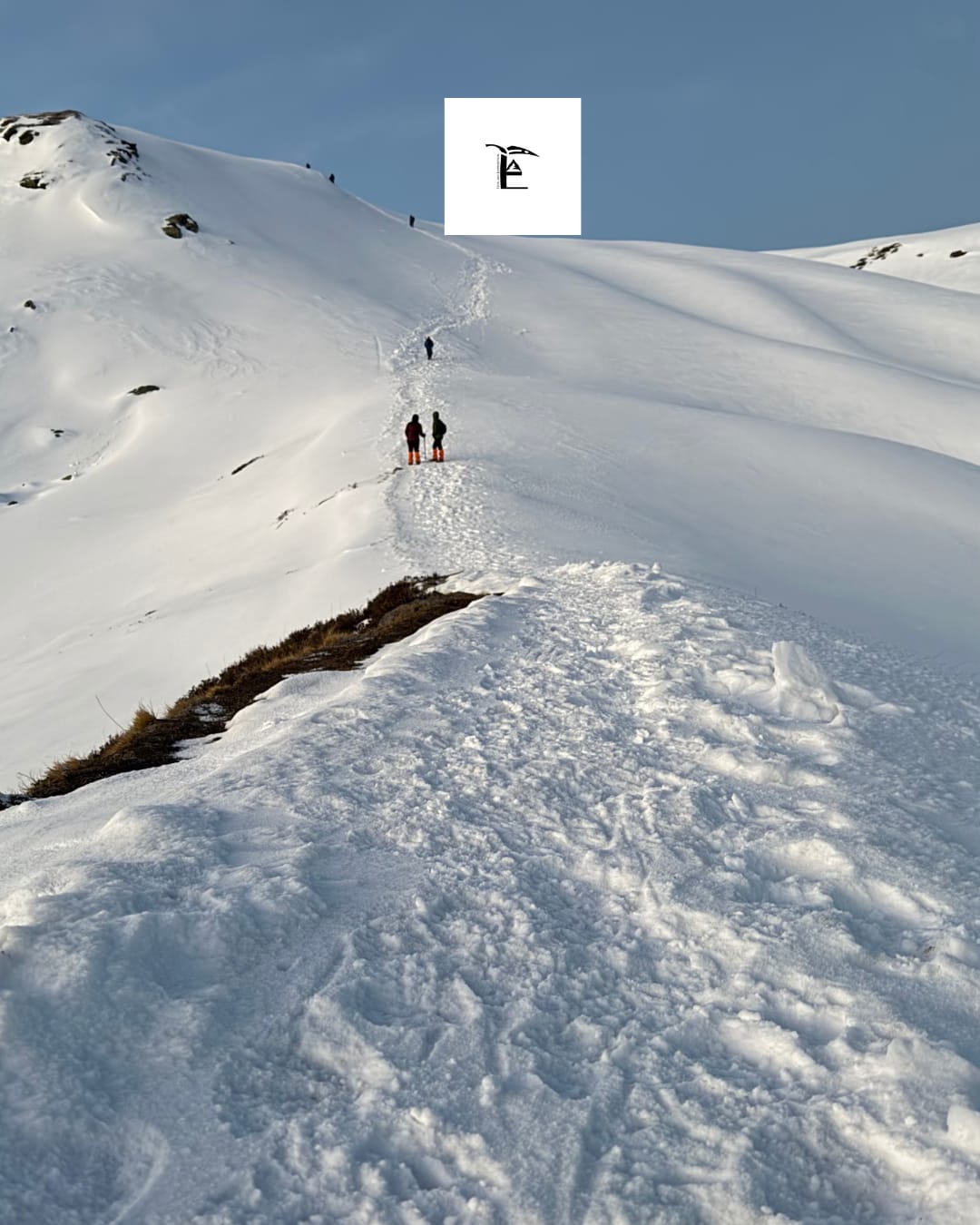
Apart from the treks mentioned above, several Himalayan destinations can offer winter trekking opportunities depending on weather, accessibility and snow conditions.
Some options include:
Not every route remains open or suitable throughout winter. Always check local weather, trail conditions, permits and operational status before booking.
If you are planning your first winter trek, choosing the right route is important. Beginners should consider trek duration, altitude gain, expected snowfall, accessibility and emergency support.
Some commonly considered beginner-friendly options include:
A popular choice for first-time winter trekkers with a well-known trail and summit experience.
A shorter option suitable for people wanting to experience Himalayan winter trekking over a weekend.
Offers beautiful snow-covered meadows and a relatively accessible trekking experience.
A good option for trekkers looking for a longer winter trekking experience with snow and mountain views.
Even beginner-friendly treks require preparation because winter weather can change rapidly.
Uttarakhand is one of India's most popular regions for winter trekking. The state offers a combination of accessible trailheads, Himalayan landscapes, forests, alpine meadows and high-altitude trekking routes.
Popular Winter Treks in Uttarakhand include:
The exact snow conditions can vary from one location to another. Higher elevations generally have colder conditions, but snowfall is influenced by the weather pattern of each season.
Snow Trekking in Uttarakhand is popular because many Himalayan routes can be accessed from relatively well-connected towns and mountain regions.
However, snow trekking requires more preparation than normal three-season trekking.
Trekkers should be prepared for:
A qualified trek leader and appropriate safety equipment are especially important for higher-altitude winter routes.
When choosing Winter Trekking Packages, do not look only at the package price. Compare what is included and understand the actual trekking arrangements.
A good winter trekking package should clearly mention:
Before booking, ask the trekking company about current snow conditions and whether the itinerary may change because of weather.
The winter trekking season generally runs from December through March, although the exact season differs by destination.
December can bring the beginning of consistent winter conditions at higher elevations. Early-season snowfall can vary from year to year.
January is generally a popular month for snow trekking, particularly for destinations in Uttarakhand and Himachal Pradesh.
February can continue to offer good winter conditions, although snow depth and trail conditions vary by location and altitude.
March marks the transition toward spring in many Himalayan regions. Higher-altitude routes can still have snow while lower sections begin to become greener.
Always check the latest local weather and trail status before departure.
Proper equipment is essential for a safe and comfortable winter trek.
For snow-heavy routes, additional equipment such as gaiters or microspikes may be recommended depending on actual trail conditions.
Winter trekking requires more energy than regular hiking because snow can slow your walking pace and increase the effort required for every step.
Start preparing several weeks before your trek.
Recommended activities include:
Gradually increase the duration and intensity of your workouts rather than attempting very long sessions immediately before the trek.
Safety should always be the first priority during winter trekking.
Mountain weather can change quickly. Check forecasts before starting and follow the advice of local guides and authorities.
Stay with your trekking group and follow the instructions of your trek leader, especially on snow-covered or unfamiliar trails.
Cold weather can reduce the feeling of thirst, but your body still needs sufficient fluids.
Snow can reflect strong sunlight. Sunglasses and sunscreen are important even on cold days.
Avoid rushing at high altitude. Maintain a steady pace and take appropriate breaks.
Winter clothing and appropriate footwear are essential. For snow and ice, your trekking team may recommend additional traction equipment.
If weather conditions become unsafe, the itinerary may need to change. A summit is never more important than safety.
The ideal trek depends on your fitness, experience, available time and desired difficulty.
| Trek | Region | Typical Winter Appeal | Suitable For |
|---|---|---|---|
| Kedarkantha Trek | Uttarakhand | Snow + summit | Beginners/Intermediate |
| Brahmatal Trek | Uttarakhand | Snow + mountain views | Beginners/Intermediate |
| Dayara Bugyal Trek | Uttarakhand | Snow meadows | Beginners/Intermediate |
| Kuari Pass Trek | Uttarakhand | Snow + Himalayan views | Intermediate |
| Nag Tibba Winter Trek | Uttarakhand | Short snow adventure | Beginners |
| Aancha Top Trek | Uttarakhand | Snow + mountain landscapes | Beginners/Intermediate |
| Patalsu Peak Trek | Himachal Pradesh | Snow + summit | Intermediate |
| Pangarchulla Peak Trek | Uttarakhand | Snow + high summit | Intermediate/Experienced |
Difficulty can change considerably with snowfall and weather conditions, so the table should be treated as a general guide rather than a guarantee of conditions.
ThinAirExpedition offers trekking and expedition experiences across the Indian Himalayas, including winter trekking destinations in Uttarakhand and Himachal Pradesh.
Our winter trekking approach focuses on:
Whether you are looking for the Kedarkantha Trek, Brahmatal Trek, Dayara Bugyal Trek, Kuari Pass Trek, Nag Tibba Winter Trek, Aancha Top Trek, Patalsu Peak Trek or Pangarchulla Peak Trek, select your trek according to your fitness, experience and preferred difficulty.
India has several popular winter trekking routes, including Kedarkantha, Brahmatal, Dayara Bugyal, Kuari Pass and Nag Tibba. The right trek depends on your experience, fitness, available time and expected snow conditions.
Nag Tibba, Kedarkantha and Dayara Bugyal are commonly considered accessible options for beginners, although winter conditions can increase the difficulty of any Himalayan trek.
December to March is generally the main winter trekking season. January and February are popular months for snow trekking, but actual snow conditions vary each year.
Popular options include Kedarkantha, Brahmatal, Dayara Bugyal, Kuari Pass, Nag Tibba, Aancha Top and Pangarchulla Peak.
Winter trekking can be undertaken safely with proper preparation, suitable equipment, experienced leadership and attention to weather and trail conditions. Mountain weather can change rapidly, so itineraries may need to be modified when conditions become unsafe.
Use layered clothing consisting of thermal base layers, fleece, an insulated jacket and a waterproof/windproof outer layer. Warm socks, gloves, a cap and suitable waterproof trekking shoes are also important.
Yes, several winter trekking packages are designed for beginners. However, trekkers should choose a route that matches their fitness and experience and should prepare properly before departure.
The Indian Himalayas offer a wide variety of winter adventures, from short beginner-friendly snow hikes to challenging high-altitude summit treks.
The Best Winter Treks in India combine snow-covered landscapes, mountain views, forests, alpine meadows and memorable camping experiences. Destinations such as the Kedarkantha Trek, Brahmatal Trek, Dayara Bugyal Trek, Kuari Pass Trek, Nag Tibba Winter Trek, Aancha Top Trek, Patalsu Peak Trek and Pangarchulla Peak Trek provide different levels of challenge and scenery.
Before booking your trek, compare the route, altitude, difficulty, duration, expected weather, inclusions and safety arrangements. Most importantly, choose a trek that matches your fitness and experience.
For the 2026–27 season, start preparing early, monitor snow conditions and plan your Himalayan winter adventure responsibly.