7 Best Winter Treks in India for 2026 2027
7 Best Winter Treks in India for 2026 2027
15
Aug

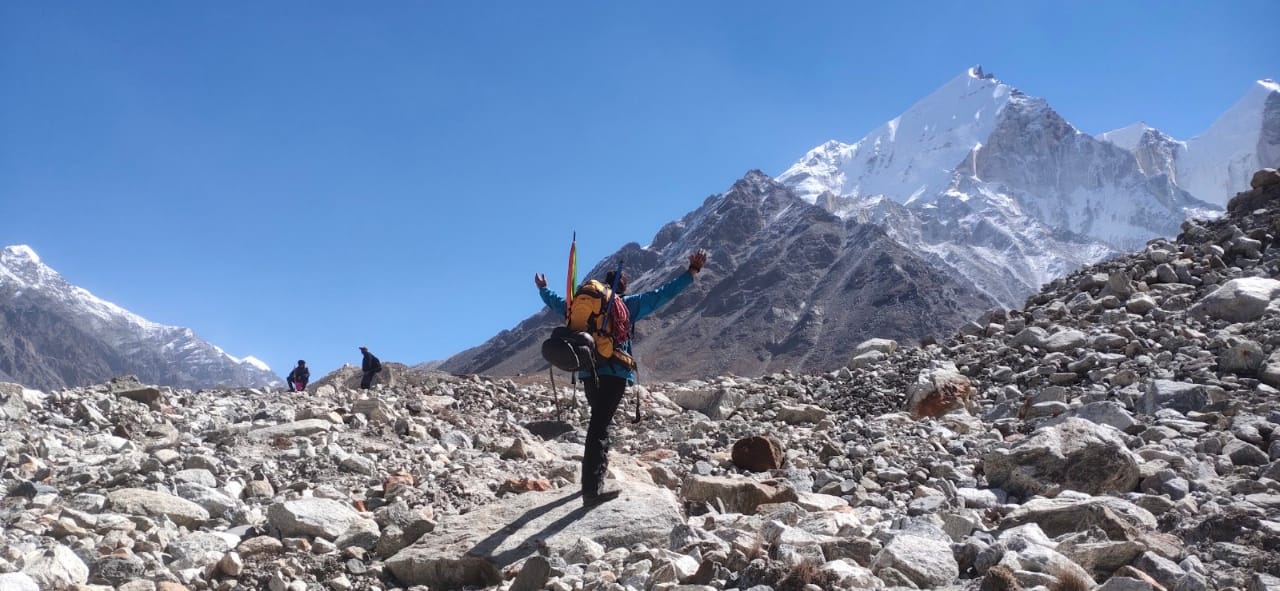
Winter changes the Himalayas completely. Forest trails become quieter, alpine meadows disappear beneath snow, ridgelines turn into dramatic white landscapes, and the familiar mountains of Uttarakhand take on a much wilder character. For trekkers, this makes winter one of the most rewarding seasons to explore the higher reaches of the Indian Himalayas. But winter trekking is also very different from trekking in spring, summer or autumn. Snow, freezing temperatures, shorter daylight hours and rapidly changing mountain weather can turn an otherwise moderate trail into a demanding adventure.
For 2026, trekkers have an especially interesting selection of winter routes to consider. Alongside established favourites such as Kedarkantha and Kuari Pass, lesser-known trails such as Aancha Top and Gulabi Kantha are gaining attention among people looking for quieter Himalayan experiences. Patalsu Peak and Pangarchulla Peak offer a more challenging, summit-focused experience, while Nag Tibba remains an accessible choice for people taking their first steps into Himalayan winter trekking.
The important thing is that these treks offer very different experiences. The best winter trek in India is not necessarily the one with the most snowfall or the highest summit. Your ideal trek depends on your fitness, previous trekking experience, tolerance for cold and altitude, and whether you want a relaxed snow adventure, a mountain-pass journey or the challenge of reaching a Himalayan summit.
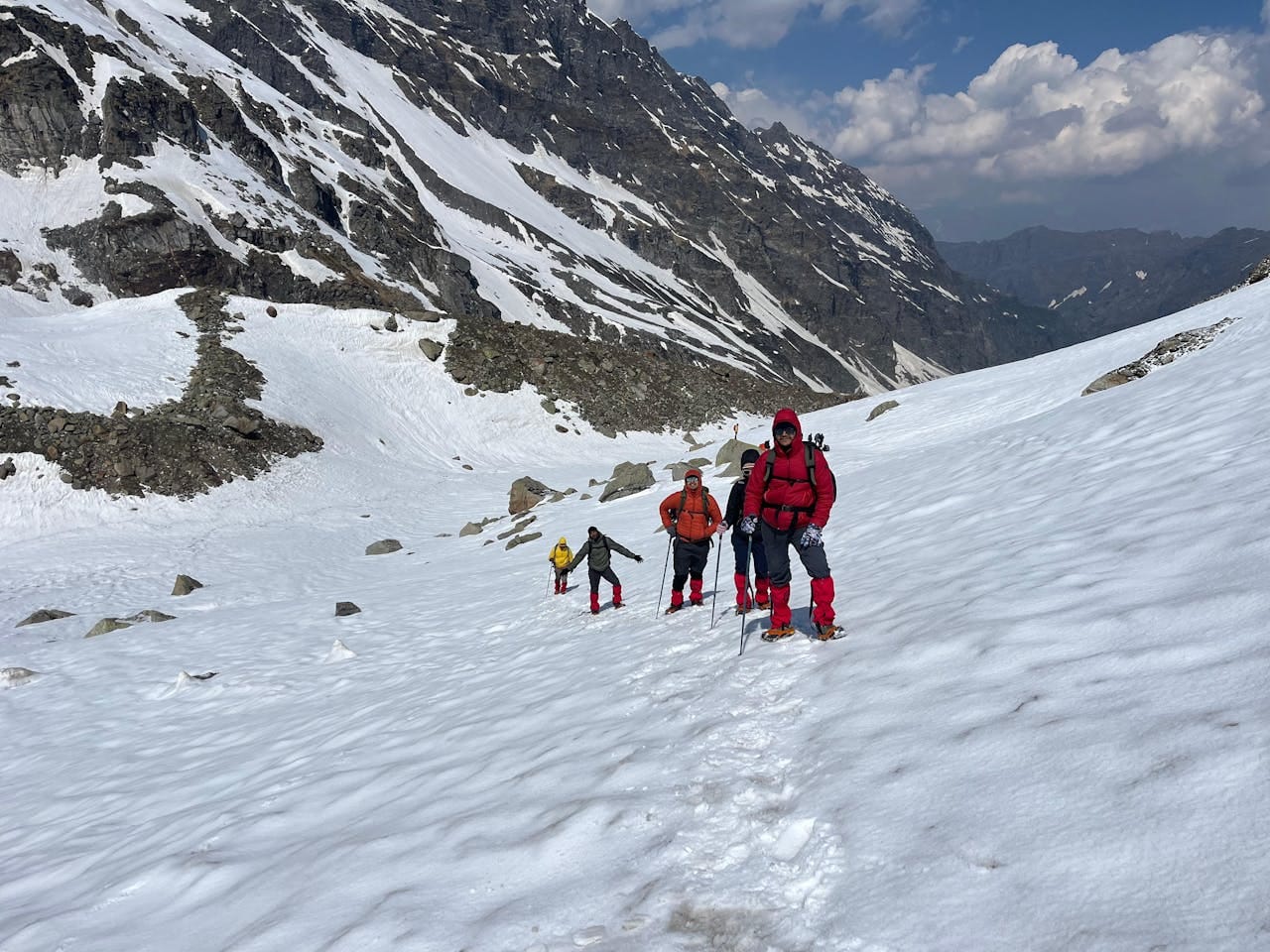
A winter trek is not simply a normal trek with snow added to the landscape. Once temperatures fall and snowfall begins, the character of the trail changes considerably. Snow can cover familiar paths, make ascents slower and increase the effort required for every step. Frozen or icy sections can also make footing less predictable, particularly on steep slopes and exposed ridges.
Cold is another major factor. Nights at high-altitude camps can fall well below freezing, while early-morning summit starts can be particularly harsh. Trekkers therefore need to think about insulation, layering, footwear, gloves and protection from wind rather than relying on ordinary hiking clothing. Shorter winter days also mean that itineraries often depend heavily on starting early and maintaining a steady pace.
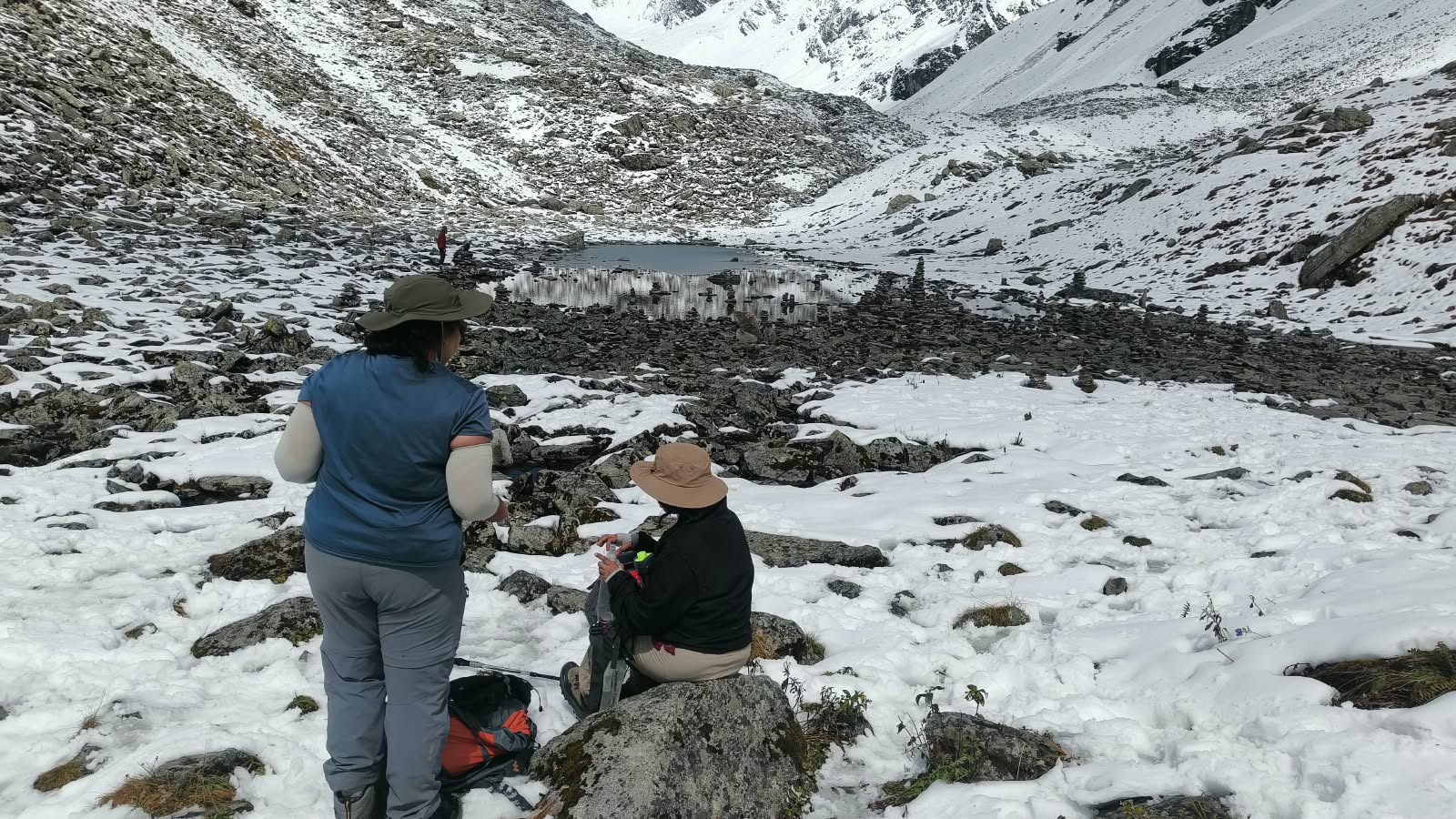
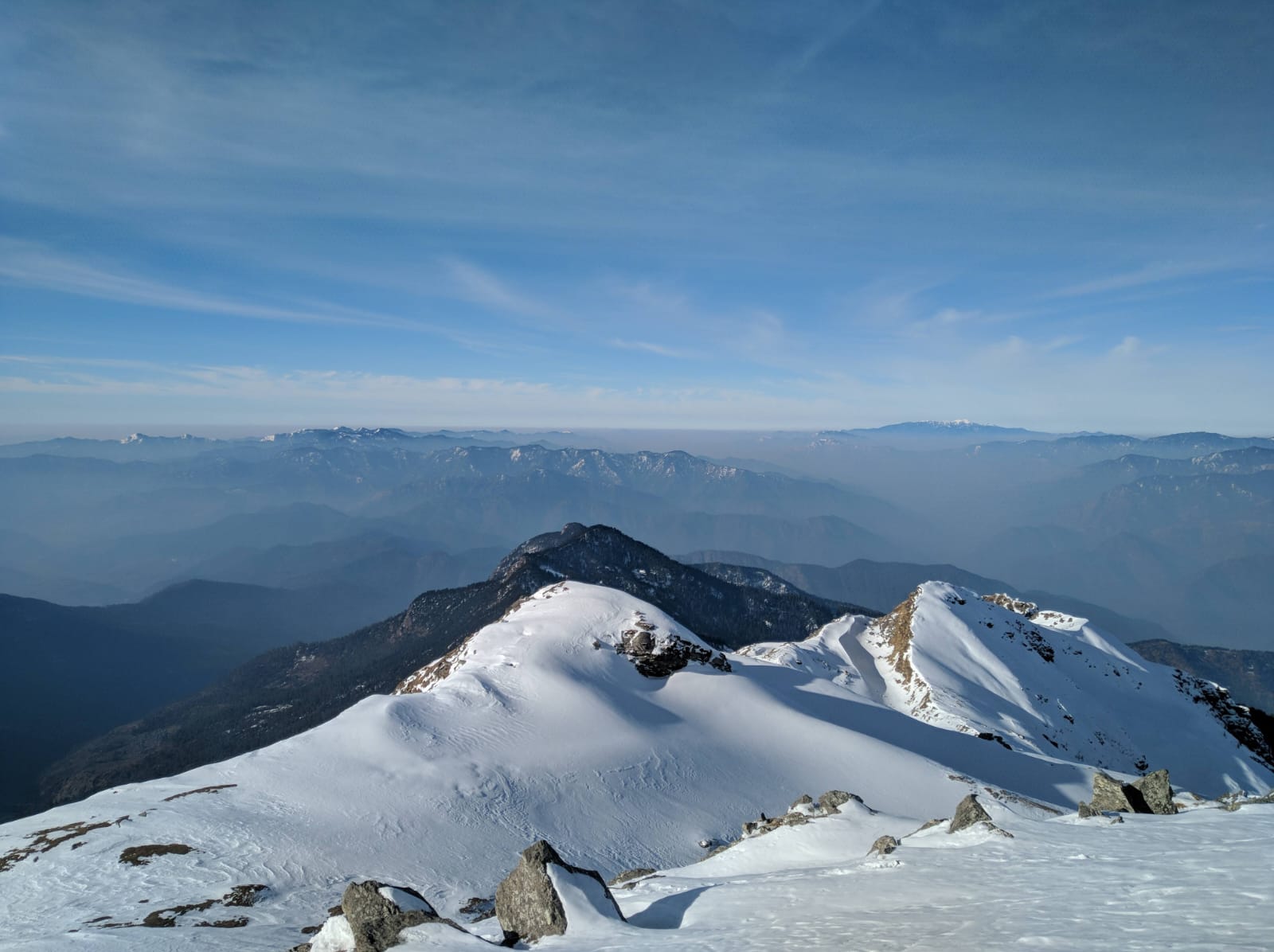
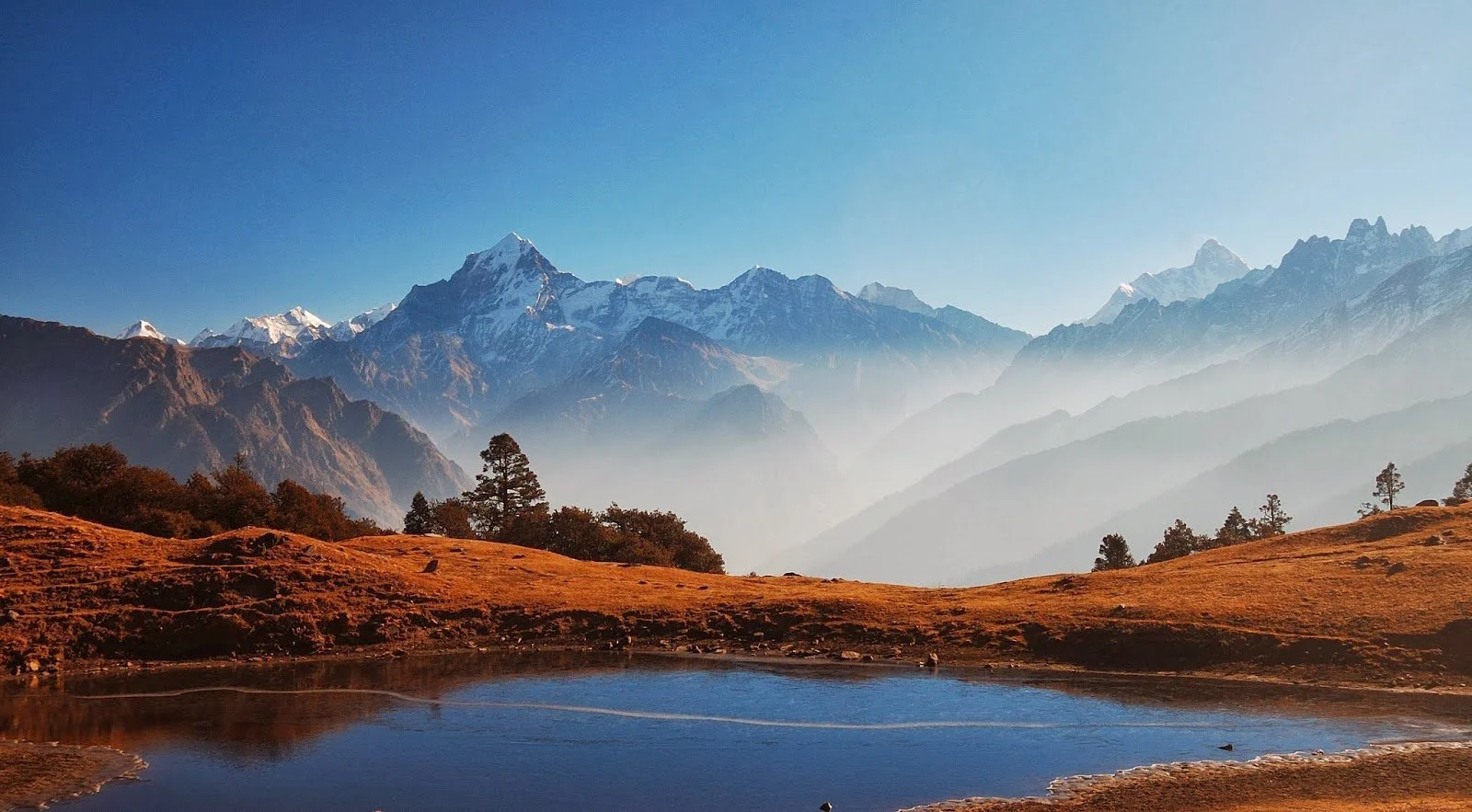
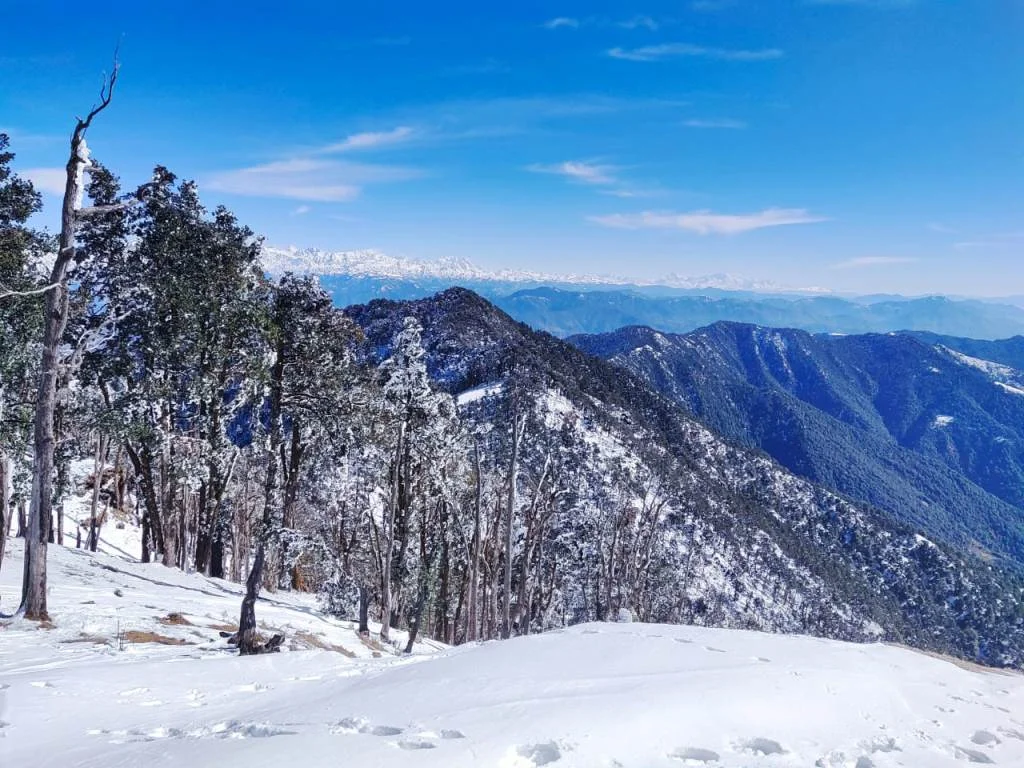
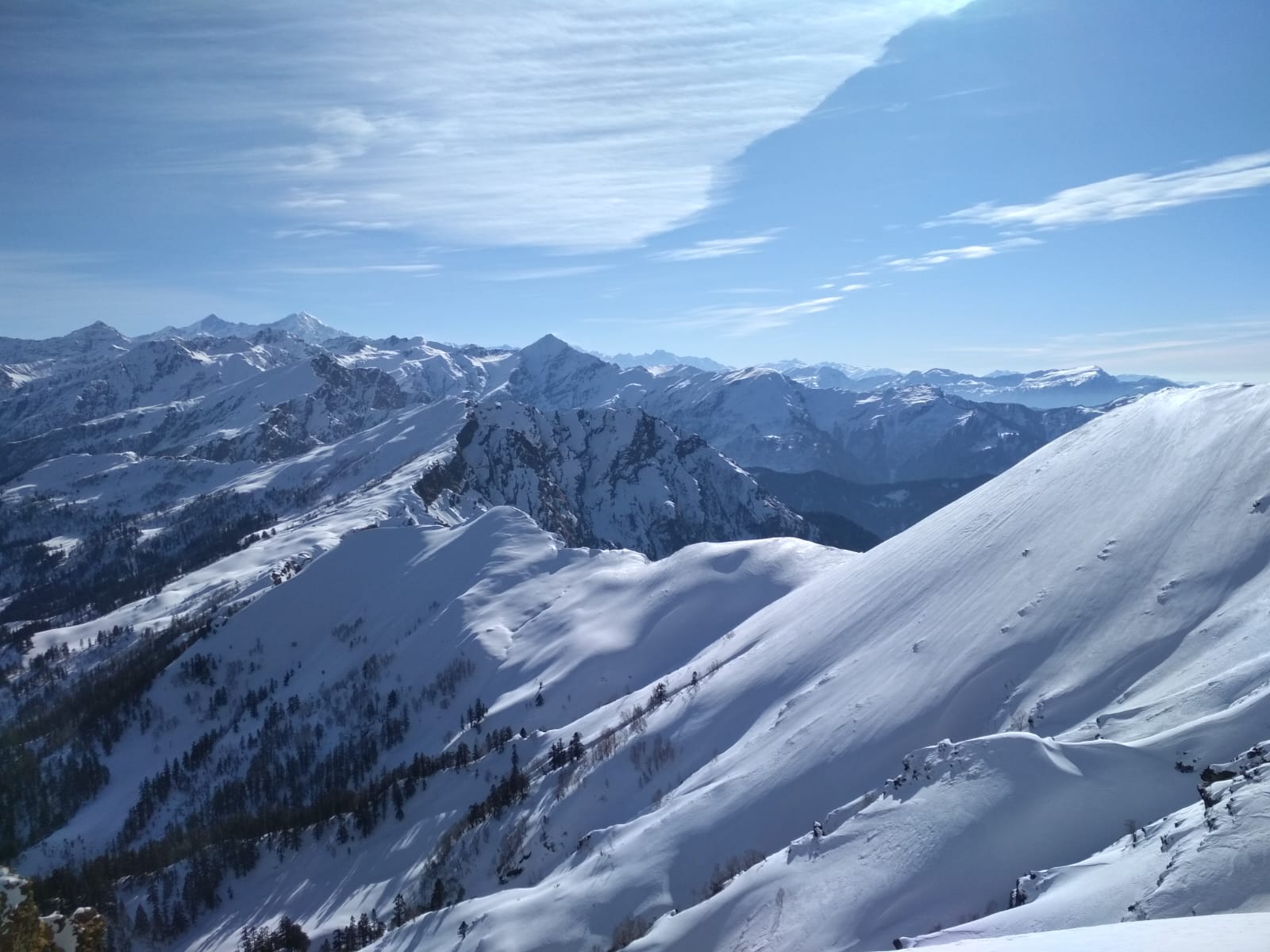
At the same time, these challenges are precisely what make Himalayan winter trekking so memorable. Snow-covered oak and pine forests, frozen streams, white alpine meadows and exceptionally clear mountain views can create an experience that is difficult to reproduce in other seasons.
Snow conditions should never, however, be treated as guaranteed. The amount of snow on a particular trail varies according to snowfall, temperature, altitude and the timing of the trek. A winter trek in December may look very different from the same route in February. Weather can also affect road access and trail conditions, so trekkers should always check current conditions with their trek operator or local authorities before departure.
If you are searching for an alternative to the more commercialised winter trails, Aancha Top is one of the most interesting options to consider in 2026. Located in the Yamunotri Valley of Uttarakhand, the trek begins around Ranachatti and climbs towards the high meadows and ridges of the Dinnala region. The summit is around 12,500 feet, and the route combines forests, meadows, glacial-water sources and a spectacular ridge section.
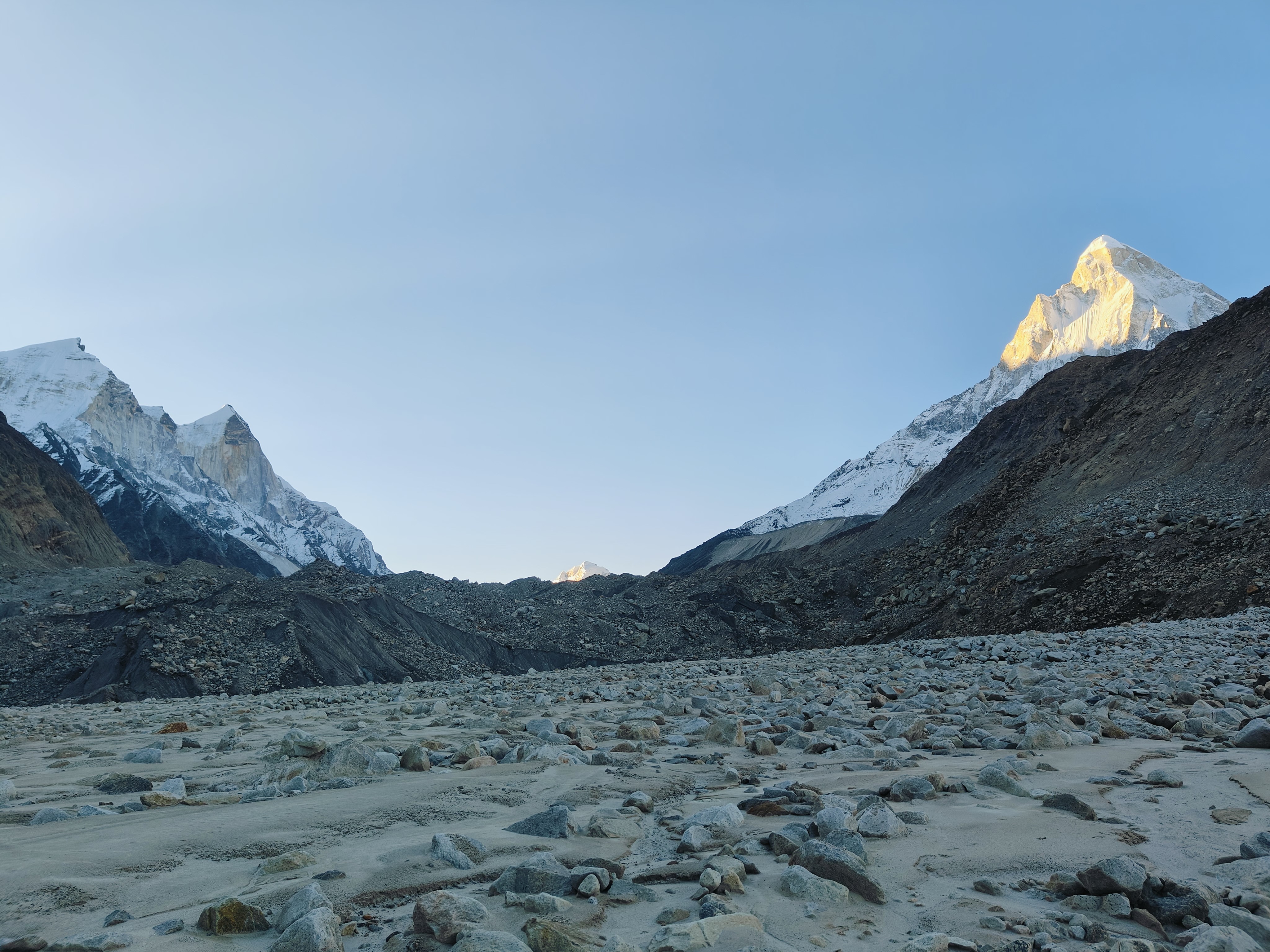
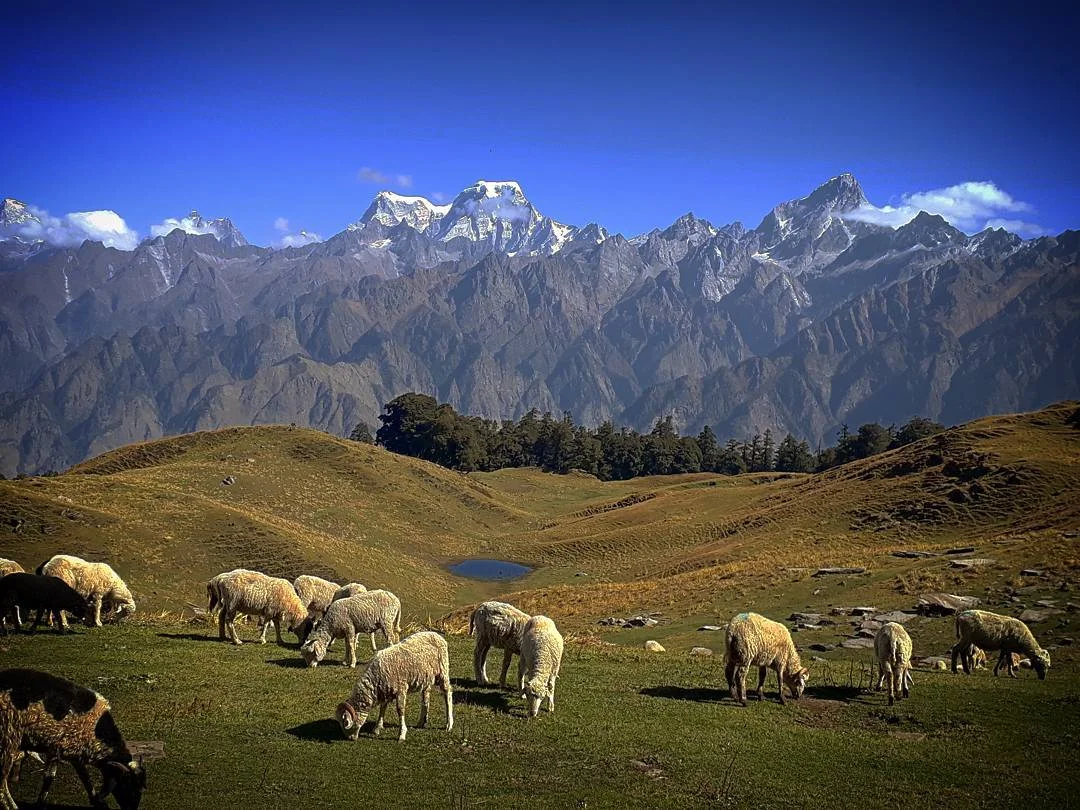
What makes Aancha Top particularly attractive as a winter trek is the variety of terrain packed into a relatively compact Himalayan journey. Lower sections take trekkers through forested landscapes, while higher sections open into expansive meadows and exposed ridges. The approach to the summit provides increasingly broad views of the Garhwal Himalayas, including prominent peaks such as Bandarpoonch and Swargarohini. On a clear day, the panorama extends across several major Himalayan ranges.
The trek is generally described as easy to moderate in non-winter conditions, but winter conditions can substantially increase the difficulty. Snow can cover the trail and make the summit ridge more demanding, while the combination of altitude, cold and accumulated snow requires better preparation than the basic difficulty rating might suggest. Some sections of the summit approach can also involve narrow or exposed ridge walking, meaning trekkers need to remain attentive to their footing.
For trekkers planning an Aancha Top winter trek in 2026, the appeal is therefore not simply the possibility of walking through snow. It is the combination of an offbeat trail, high-altitude meadows, dramatic ridgelines and a panoramic summit experience. It is particularly suitable for trekkers who want something quieter than the country's most famous winter routes while still getting a genuine Himalayan adventure.
Kuari Pass occupies a special place among the best winter treks in India because it combines a classic Himalayan pass crossing with some of the most impressive mountain scenery in Uttarakhand. Also known as the Lord Curzon Trail, the route lies in the Garhwal Himalayas and takes trekkers through forests, alpine meadows, villages and high-altitude terrain. Uttarakhand Tourism lists Kuari Pass at approximately 3,815 metres (12,516 feet) and describes it as a moderate trek.
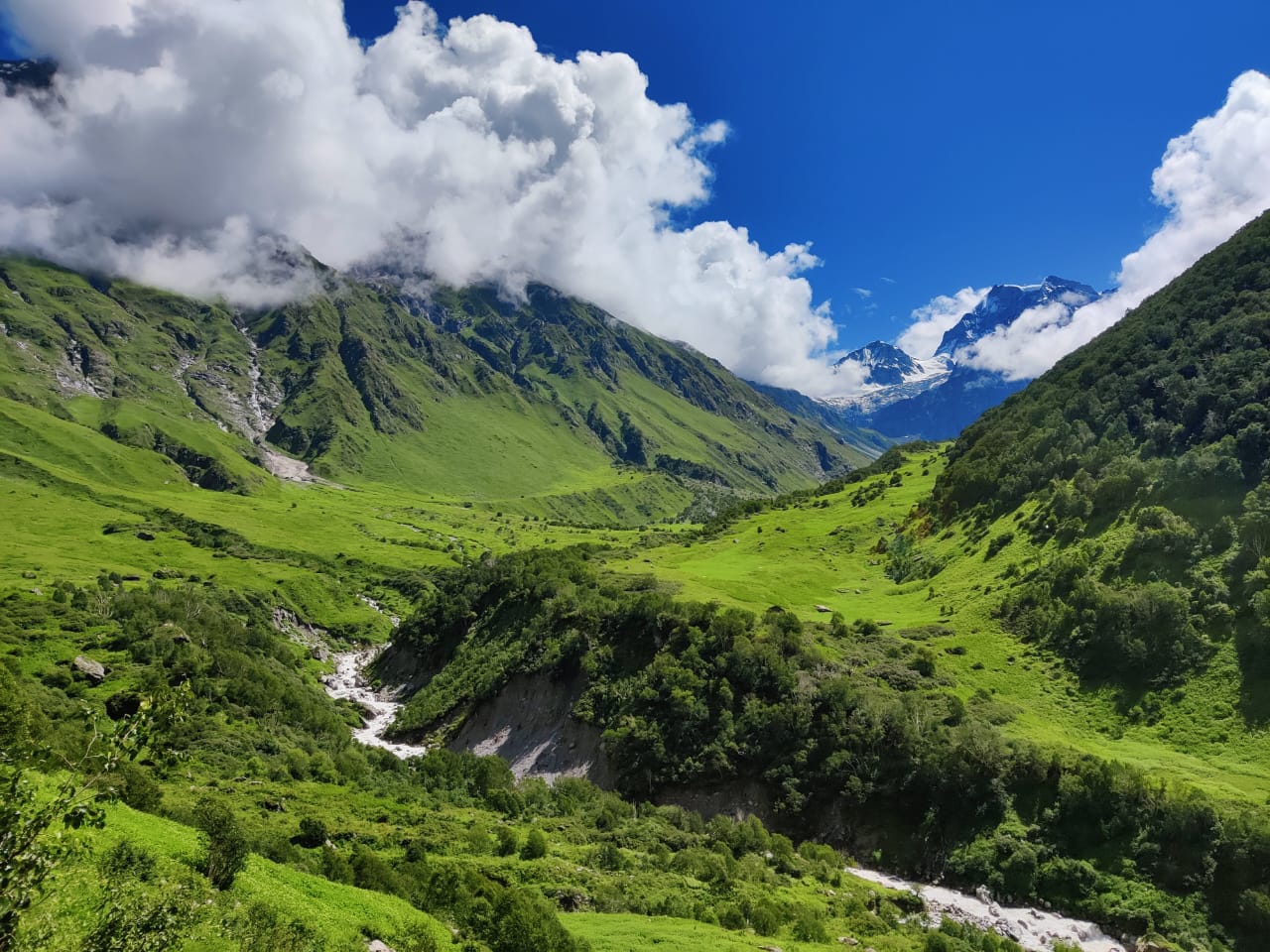
Winter adds another dimension to the Kuari Pass experience. Snow-covered forests and meadows create a completely different atmosphere from the green landscapes seen during warmer months. The route is particularly appealing because the mountain views are not confined to a single summit. As trekkers move through the Garhwal landscape, they encounter broad Himalayan vistas and views towards some of the region's most prominent peaks.
The pass itself is an important part of the experience. Rather than simply walking to a viewpoint and returning, trekkers get the satisfaction of crossing a high Himalayan pass while moving through changing terrain. The Uttarakhand Tourism itinerary includes sections through forested areas and the route from Khullara towards Kuari Pass and Tali.
For winter 2026, Kuari Pass is an excellent choice for someone who wants more than a basic snow hike. It offers the atmosphere of a serious Himalayan trek without necessarily being a technical mountaineering expedition. Nevertheless, snow can make the trail considerably more strenuous, and trekkers should arrive with appropriate fitness and winter equipment.
The biggest attraction of Kuari Pass is ultimately the overall experience: forests, snow, open meadows, high ridges and enormous Himalayan peaks appearing throughout the journey. It is this combination that makes it one of the most compelling winter trekking destinations in Uttarakhand.
Gulabi Kantha is another winter route worth putting on the 2026 trekking calendar, particularly for travellers who want a quieter experience in the Garhwal Himalayas. Located in the Yamunotri Valley region, the trail is known for its high-altitude meadow, forest sections and expansive Himalayan views. The route generally begins from Hanuman Chatti and climbs through forest and meadow terrain towards Gulabi Kantha.
The character of Gulabi Kantha changes dramatically with the seasons. In warmer months, the meadows and surrounding vegetation provide colour and open Himalayan scenery, while winter can cover the landscape in snow. This seasonal transformation is one of the reasons the route is increasingly being considered among the best snow treks in Uttarakhand.
The summit area reaches roughly 4,000 metres according to current trek itineraries, with the route providing wide views across the surrounding Himalayan landscape. Depending on the exact route and conditions, trekkers can encounter views towards peaks and ridges including Bandarpoonch and other prominent Garhwal ranges.
Gulabi Kantha is especially interesting for people who have already considered popular winter treks such as Kedarkantha but want a less familiar trail. However, "lesser-known" should not be confused with "effortless." Winter snow can make the route more demanding, particularly around higher camps and summit sections. Current trail reports also emphasise that winter conditions require suitable equipment and preparation.
For a 2026 winter trekking itinerary, Gulabi Kantha works particularly well for trekkers who value solitude, wide mountain landscapes and the feeling of exploring a relatively less-travelled part of Uttarakhand.
With these three treks alone, it becomes clear why choosing a winter trek should not be based only on popularity. Aancha Top is attractive for its offbeat character and summit ridge, Kuari Pass offers the classic experience of crossing a Himalayan pass amid major Garhwal peaks, while Gulabi Kantha appeals to trekkers looking for snowy meadows and a quieter route.
Winter conditions also need to be considered separately from the standard difficulty rating. A trek described as easy or moderate during a dry season can feel substantially harder after fresh snowfall. Deep snow increases energy expenditure, icy surfaces require more careful foot placement, and cold weather makes hydration, nutrition and pacing more important.
This is why the best winter treks in India for 2026 should be selected according to the kind of experience you actually want. If solitude and an offbeat route matter most, Aancha Top or Gulabi Kantha may be more appealing. If you want a classic Himalayan pass and big mountain views, Kuari Pass stands out. And if your primary goal is to experience a well-established snow trek with a summit objective, the remaining options—including Kedarkantha, Nag Tibba, Patalsu Peak and Pangarchulla Peak—deserve a closer look.
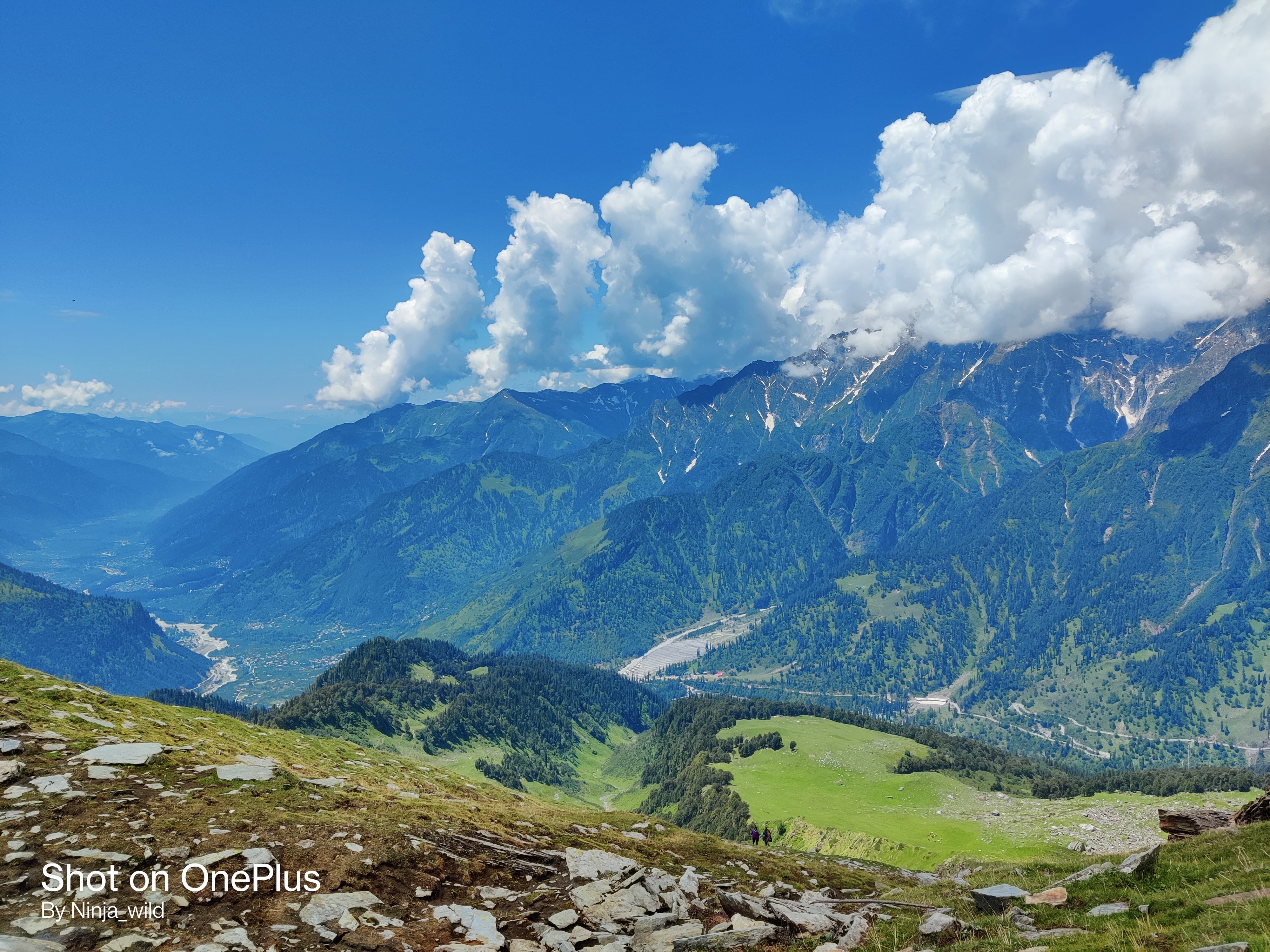
If your idea of a winter trek involves reaching a proper Himalayan summit rather than simply walking through snow-covered forests, Patalsu Peak is an option worth considering. Located near Manali in Himachal Pradesh, Patalsu Peak is known for its combination of forest trails, open mountain terrain and a summit-oriented trekking experience.
Unlike a trek where the destination is primarily a high meadow or mountain pass, Patalsu Peak puts the summit itself at the centre of the journey. This makes the experience particularly appealing to trekkers who enjoy the feeling of gradually working towards a high point and being rewarded with wider views as they gain altitude.
The lower sections of the trek offer a very different environment from the exposed upper mountain. Forested landscapes create a relatively sheltered beginning, while the higher sections become more open and demanding. In winter, snow can transform the route considerably, making familiar trails slower and requiring more deliberate movement.
The summit approach is where the character of the trek becomes particularly important. Snow, cold temperatures and altitude can increase the physical effort involved, even for trekkers who are comfortable with ordinary mountain hikes. A good level of fitness is therefore useful, particularly because winter conditions can make every ascent more energy-intensive.
One of the biggest attractions of Patalsu Peak is the sense of progression. You begin in a forested Himalayan environment and gradually move towards a much more open mountain landscape. By the time you reach the summit area, the surroundings feel considerably more alpine and exposed.
For winter 2026, Patalsu Peak is best suited to trekkers who want a summit-focused experience and are comfortable with the additional demands created by snow and cold. It can be a good choice for someone looking to move beyond introductory winter hikes without immediately choosing a highly technical mountaineering objective.
Not every winter trek needs to involve a very high summit or several days of demanding mountain travel. Nag Tibba occupies a different position among Uttarakhand's winter trekking options. Its relatively accessible character makes it attractive to beginners, weekend trekkers and travellers who want to experience a snowy Himalayan landscape without committing to one of the longer or more demanding routes.
Nag Tibba is located in the Garhwal region of Uttarakhand and is often considered one of the more approachable Himalayan treks. That accessibility is one of its greatest advantages, particularly for people attempting their first winter trek.
The landscape provides a taste of what makes Himalayan winter trekking so appealing. Forest trails, mountain views and the possibility of snow create an experience that feels distinctly different from a conventional hill-station visit. During favourable winter conditions, snow can add another layer of adventure to sections of the route.
However, accessibility should not be mistaken for complete simplicity. Winter mountain conditions can change the experience considerably. Snow or ice may slow progress, temperatures can fall sharply after sunset, and early starts can be particularly cold. Even on a shorter trek, appropriate clothing, footwear and basic preparation remain important.
Nag Tibba can therefore work particularly well as a stepping stone. Someone who has never trekked in snow may find it more comfortable to begin with an accessible route before progressing towards longer high-altitude trails such as Kedarkantha, Kuari Pass or Pangarchulla Peak.
Another advantage is the variety of people the trek can accommodate. It can appeal to first-time trekkers, groups of friends, families with suitable preparation and experienced hikers looking for a shorter winter escape.
For winter 2026, Nag Tibba makes sense for anyone whose priority is not maximum altitude or technical difficulty, but rather the opportunity to experience the Himalayan winter atmosphere in a relatively manageable format.
Among India's winter trekking destinations, Kedarkantha has become one of the most recognisable names. For many trekkers, it represents the classic Himalayan snow-trek experience: forest paths, snow-covered camps, open mountain landscapes and a clearly defined summit objective.
The popularity of Kedarkantha is understandable. The trek brings together many of the elements people associate with a Himalayan winter adventure without requiring the technical skills of a mountaineering expedition.
Winter is particularly important to the identity of the trek. Snow changes the appearance of the trail, forests and campsites, creating the kind of landscape that many first-time Himalayan trekkers imagine when they think about a winter trek.
The journey also offers a sense of progression. Lower forest sections gradually give way to more open terrain, and the summit objective provides trekkers with a clear goal to work towards. This combination makes Kedarkantha attractive to both beginners who are adequately prepared and more experienced trekkers looking for a well-established winter route.
At the same time, its popularity should not lead trekkers to underestimate winter conditions. Snow can increase the physical effort required, while cold temperatures make layering, gloves, insulation and proper footwear essential. The summit day can also feel substantially more demanding than the earlier sections because of the combination of altitude, cold and early-morning movement.
One of Kedarkantha's strongest qualities is the balance between challenge and accessibility. It offers a genuine high-altitude winter experience while remaining within the range of many reasonably fit trekkers when undertaken with appropriate preparation and support.
This makes it a particularly strong choice for someone searching for a first major winter trek. It also works for travellers who want a more established trail rather than an entirely offbeat Himalayan experience.
For winter 2026, Kedarkantha remains an obvious option for anyone whose main goal is to experience a classic snow-covered Himalayan trek with a summit objective.
Pangarchulla Peak belongs to a different category from introductory winter routes such as Nag Tibba. It is a summit-focused trek in the Garhwal Himalayas and is better suited to trekkers who are looking for a physically demanding mountain experience.
The attraction of Pangarchulla is the combination of high-altitude terrain and a summit objective. Rather than simply travelling through a Himalayan landscape, trekkers are working towards a specific peak, with the upper sections becoming increasingly demanding as altitude and terrain change.
Winter conditions can make this challenge more pronounced. Snow affects footing, increases the amount of energy required and can make the upper mountain more difficult to navigate. The cold also becomes a significant consideration, particularly during early starts and time spent at higher elevations.
For this reason, Pangarchulla Peak should not be selected simply because it appears on a list of popular winter treks. A trekker's previous experience, fitness and comfort with steep or snowy terrain should all be considered before choosing it.
The reward is the character of the experience. Summit-focused routes create a different sense of achievement from ordinary hiking because the final objective requires sustained effort. Reaching the higher sections and eventually completing the summit push can provide a strong feeling of accomplishment.
Pangarchulla also appeals to trekkers who have already completed easier Himalayan routes and want to increase the level of challenge. Someone who has experience with snow trekking may find a summit-oriented route like Pangarchulla a natural next step, provided current conditions and personal fitness are appropriate.
For winter 2026, Pangarchulla Peak is therefore best considered by trekkers who want a more demanding Himalayan adventure rather than simply a relaxed snow getaway.
The first three treks in this list demonstrate how different winter trekking experiences can be.
Aancha Top stands out for its offbeat character, high-altitude meadows and summit ridge. It is particularly attractive to trekkers who want something quieter and less familiar.
Kuari Pass offers a more traditional Himalayan journey built around a high mountain pass, changing landscapes and broad views of the Garhwal Himalayas. It is a strong choice for trekkers who want the feeling of travelling through a mountain landscape rather than simply reaching a single summit.
Gulabi Kantha sits somewhere between these experiences. Its appeal comes from snowy meadows, forests, mountain views and the relative quiet of a less familiar trail.
The choice therefore depends on what you want from your winter trek. Someone searching for solitude may prefer Aancha Top or Gulabi Kantha, while someone who wants the classic experience of crossing a Himalayan pass may be more interested in Kuari Pass.
These two treks can appeal to beginners, but they offer different experiences.
Nag Tibba is the more accessible choice for someone who wants a shorter introduction to Himalayan trekking. It is particularly useful for people who are unsure how they will respond to cold, snow and mountain terrain.
Kedarkantha offers a more complete winter-trekking experience. It combines forest walking, snow-covered terrain and a summit objective, making it a stronger choice for someone who is prepared to take on a longer and more demanding adventure.
The right choice therefore depends on experience and expectations. If the goal is simply to experience Himalayan winter conditions, Nag Tibba may be enough. If the goal is to complete a classic snow trek with a stronger summit-oriented challenge, Kedarkantha is likely to be more appealing.
Experienced trekkers have several options depending on what kind of challenge they prefer.
Pangarchulla Peak and Patalsu Peak are particularly relevant for people who enjoy summit-focused objectives. These routes place greater emphasis on the upper mountain and the challenge of reaching a high point.
Kuari Pass offers a different kind of challenge. Rather than focusing entirely on a summit, the trek is about moving through changing Himalayan terrain and crossing a high mountain pass.
Aancha Top can appeal to experienced trekkers who prioritise an offbeat experience. Its combination of high meadows, ridges and winter conditions provides a different atmosphere from heavily established trekking routes.
The important point is that experience alone does not eliminate the risks of winter. Current snow conditions, weather, altitude and trail conditions should always be considered before departure.
With seven different options, choosing the right winter trek becomes easier when you focus on the experience rather than the name of the trek.
For a quieter, offbeat experience: Aancha Top and Gulabi Kantha are strong options.
For a classic Himalayan pass: Kuari Pass stands out.
For an accessible introduction: Nag Tibba can be a practical starting point.
For a classic snow trek with a summit objective: Kedarkantha remains one of the strongest choices.
For a summit-focused challenge: Patalsu Peak and Pangarchulla Peak are more appropriate for trekkers looking for greater physical demands.
There is also an important difference between trekking in winter and trekking during other seasons. A route's standard difficulty rating does not tell the whole story when snow is present. Fresh snowfall can increase the effort required, icy sections can make movement more cautious, and freezing temperatures can affect hydration, nutrition and pacing.
This is why preparation matters as much as destination selection.
Winter trekking requires more attention to clothing and equipment than a normal mountain hike. Layering is particularly important because conditions can change considerably between sunny daytime sections and freezing mornings or nights.
Warm base layers, an insulating mid-layer and a protective outer layer can help trekkers manage changing temperatures. Gloves, warm socks and suitable trekking footwear are equally important.
Trekkers should also prepare for shorter daylight hours. Early starts are common on summit days, and maintaining a steady pace becomes important when temperatures are low.
Snow conditions should never be assumed to be identical throughout the winter. The same trek can look very different in December, January or February depending on recent snowfall, temperature and weather patterns. Road access and trail conditions can also change.
Before leaving, trekkers should check current conditions with their trek operator and relevant local authorities. The goal is not simply to find the snowiest possible trail, but to choose conditions that match your experience and preparation.
There is no single best winter trek in India for everyone.
Aancha Top offers an offbeat mountain experience with high meadows and ridges. Kuari Pass brings the classic atmosphere of a Himalayan pass journey. Gulabi Kantha provides snowy landscapes and a quieter alternative to more established routes.
Patalsu Peak and Pangarchulla Peak are more summit-oriented choices for trekkers looking for a greater challenge, while Nag Tibba provides an accessible entry point into Himalayan winter trekking. Kedarkantha sits among the most established winter choices, combining snow, forests and a summit objective.
What connects all seven is the transformation created by winter. Forests become quieter, meadows disappear beneath snow, mountain ridges take on a more dramatic appearance and familiar Himalayan landscapes feel completely different.
But winter also demands respect. Snow, altitude, cold and rapidly changing weather can turn a moderate trek into a considerably harder experience. Choosing a trek should therefore be based on fitness, previous experience, equipment and current trail conditions—not simply on how attractive the photographs look.
For 2026, the best approach is to choose the trek that matches the kind of Himalayan experience you actually want. Whether that means a first encounter with snow on Nag Tibba, the classic appeal of Kedarkantha, the broad mountain landscapes of Kuari Pass, the quieter atmosphere of Aancha Top and Gulabi Kantha, or the summit challenge of Patalsu Peak and Pangarchulla Peak, Uttarakhand and the wider Indian Himalayas offer plenty of possibilities for a memorable winter adventure.