Best Uttarakhand WInter Treks 2026 27
Best Uttarakhand WInter Treks 2026 27
14
Aug

Uttarakhand remains the beating heart of Himalayan trekking in India — home to snow-capped summits, ancient pilgrim trails, and meadows that turn gold in autumn and pink with rhododendrons in spring. As the 2026-27 trekking season approaches, here's your complete guide to seven of the best treks in the region (plus one excellent detour into neighbouring Himachal), covering altitude, difficulty, best time to visit, and what makes each trail worth the climb.
| Trek | Altitude | Difficulty | Best Time | Duration |
|---|---|---|---|---|
| Nag Tibba | 9,915 ft | Easy | Oct–Jun | 2 days |
| Kedarkantha | 12,500 ft | Easy–Moderate | Dec–Apr | 5–6 days |
| Aancha Top | 12,525 ft | Easy–Moderate | Sep–Nov, winter | 6 days |
| Gulabi Kantha | 13,200 ft | Easy–Moderate | Mar–May, winter | 5–6 days |
| Kuari Pass | 12,516 ft | Easy–Moderate | Mar–Jun, Sep–Dec | 5–6 days |
| Patalsu Peak | 13,846 ft | Moderate | May–Jun, Sep–Oct | 4–5 days |
| Pangarchulla Peak | 15,096 ft | Moderate–Difficult | Dec–Mar, Apr–Jun | 6–7 days |
Altitude: 9,915 ft | Region: Garhwal, near Mussoorie | Grade: Easy
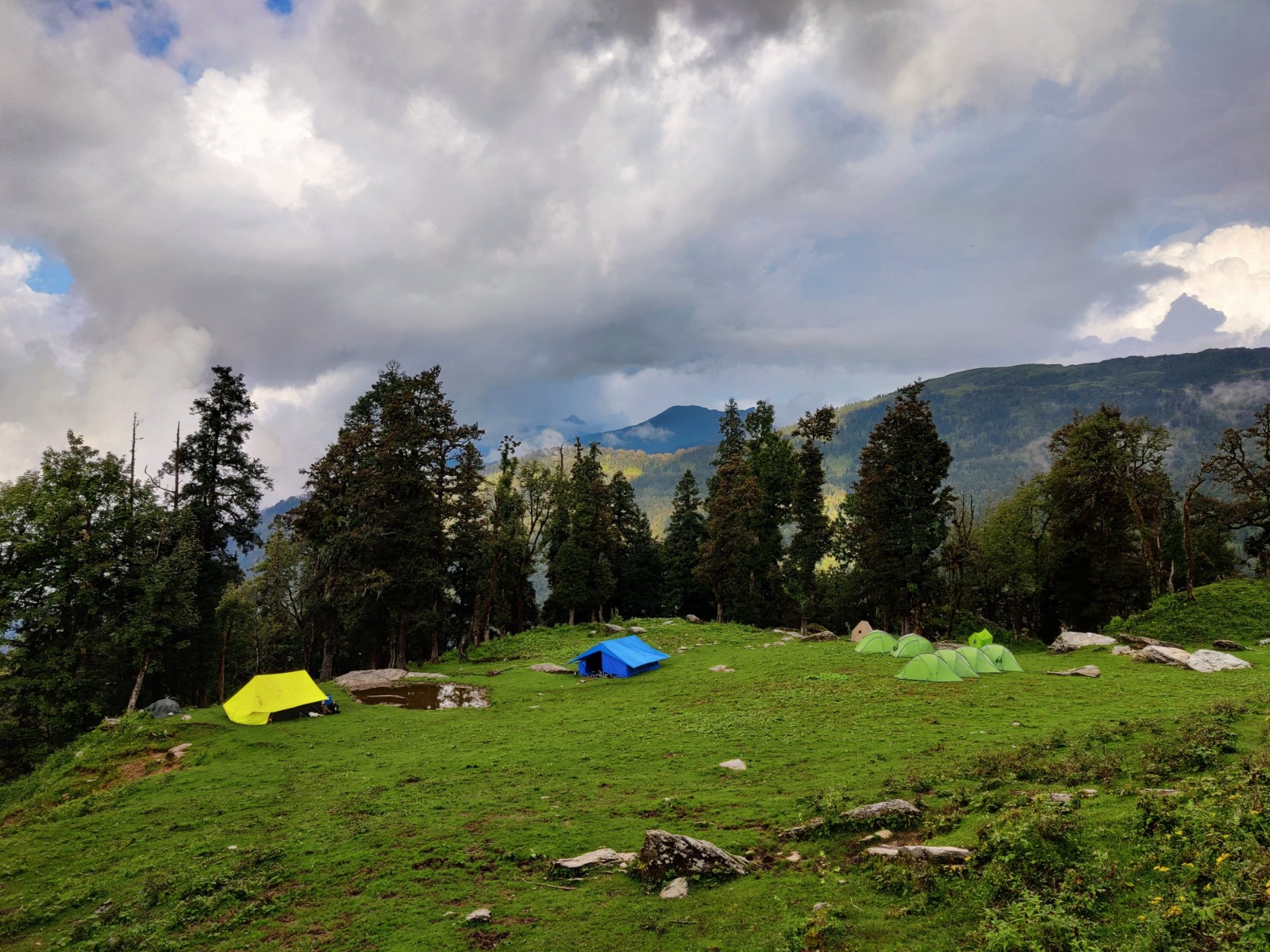
For trekkers based in Delhi or Dehradun with only a weekend to spare, Nag Tibba is unbeatable. Starting from Pantwari village, the trail moves through oak and rhododendron forest before opening onto a summit ridge with views of Bandarpoonch, Kedarnath, and the Gangotri group. With no technical terrain and a short two-day itinerary, it's the trek most guides recommend as a first taste of the Himalayas — suitable for kids, seniors, and complete beginners alike.
Altitude: 12,500 ft | Region: Govind Pashu Vihar National Park, Uttarkashi | Grade: Easy–Moderate
No list of Uttarakhand treks is complete without Kedarkantha. Starting from Sankri, the well-paced 5–6 day itinerary builds gradually through pine forest and snow meadows before a pre-dawn summit climb rewards trekkers with a full circle of peaks — Swargarohini, Bandarpoonch, Black Peak, and the Yamunotri range. December to February brings the deepest snow and the biggest crowds, while March and April offer a quieter, slushier alternative.
Altitude: 12,525 ft | Region: Yamunotri Valley, Uttarkashi | Grade: Easy–Moderate
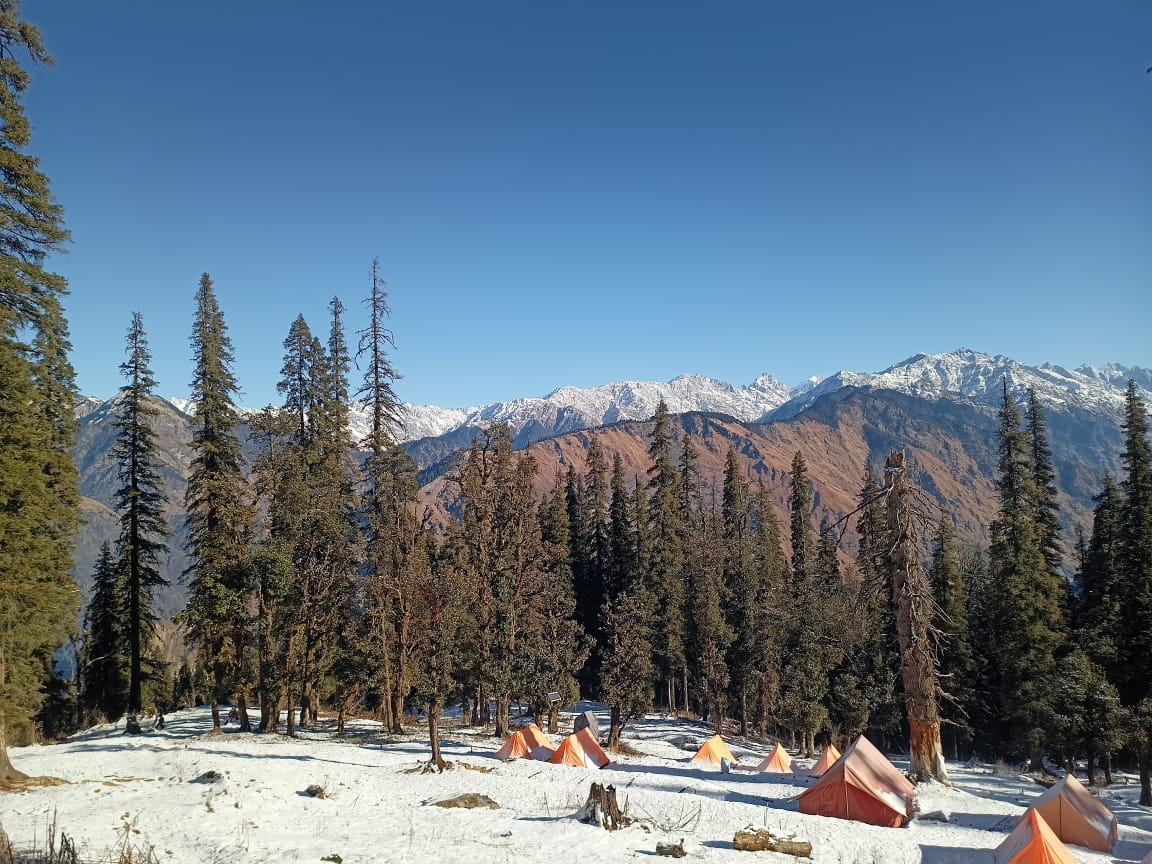
Aancha Top is quickly becoming one of the most talked-about additions to the 2026-27 trekking calendar — often described as a quieter, less-crowded alternative to Kedarkantha at almost the same altitude. From base camp at Ranachatti, the route passes glacial lakes and the sprawling Dinnala Bugyal meadow before a narrow ridge walk delivers 360-degree views of Bandarpoonch, Swargarohini, Kedarnath, and the Gangotri massif. If you want the Kedarkantha experience without the queues at the summit, this is the trek to book.
Altitude: 13,200 ft | Region: Yamunotri Valley, Uttarkashi | Grade: Easy–Moderate
Starting from Hanuman Chatti — the same trailhead used for the Yamunotri pilgrimage — Gulabi Kantha climbs through the village of Nishni and forested campsites at Kandola and Seema before reaching a summit above 13,000 feet. Spring visitors are treated to blooming rhododendrons across the alpine slopes, while the winter season brings snow and dramatic views of Bandarpoonch, Black Peak, Shivling, and the Gangotri range. It has steadily climbed the ranks to sit alongside Kedarkantha and Kuari Pass as one of India's top seasonal treks.
Altitude: 12,516 ft | Region: Chamoli, near Joshimath | Grade: Easy–Moderate
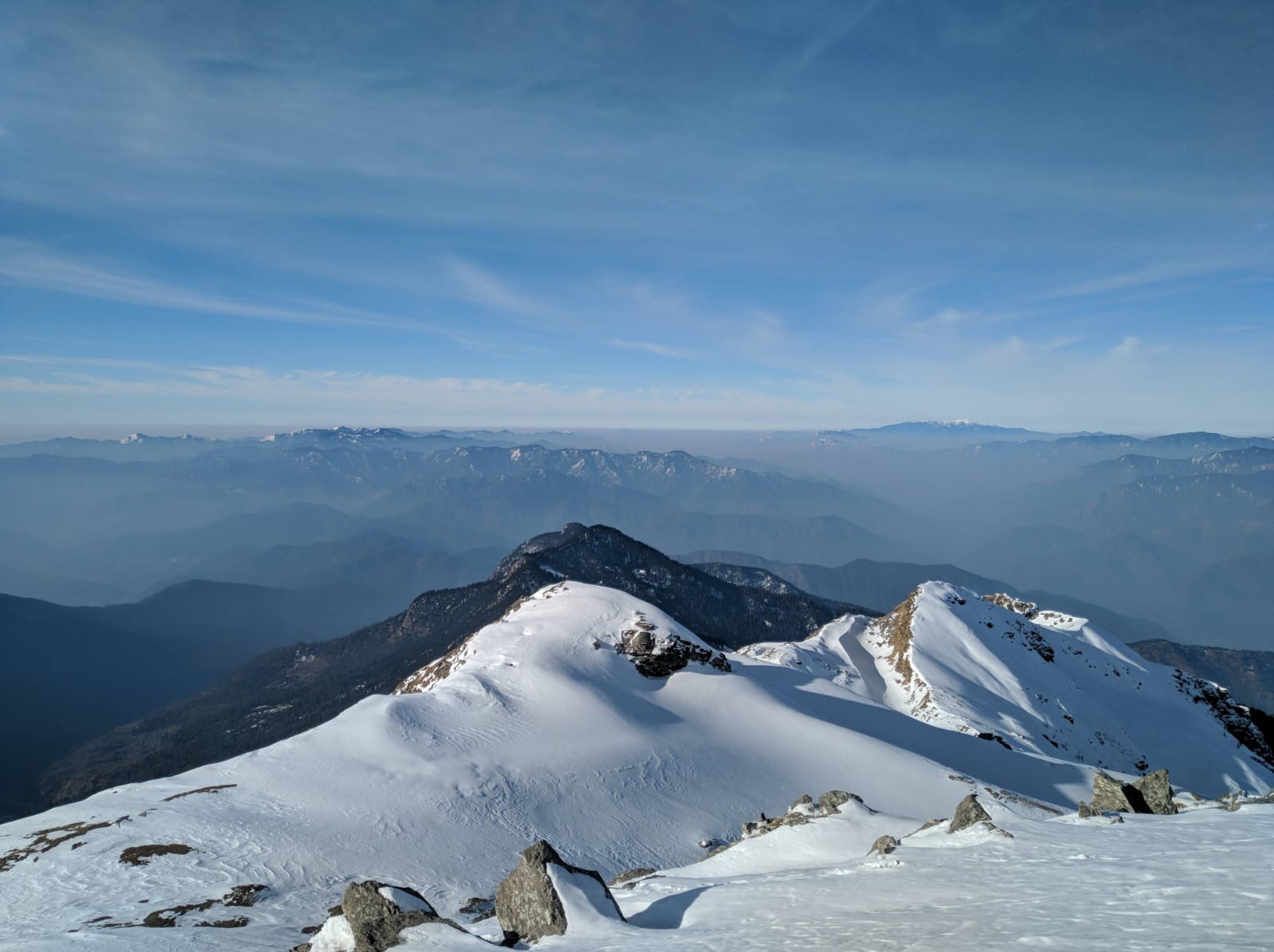
Kuari Pass follows a section of the century-old Curzon Trail, and it remains one of the best introductory high-altitude treks in the Indian Himalayas. The gradual, non-technical ascent from Joshimath leads to a pass with a jaw-dropping panorama — Nanda Devi, Dronagiri, Kamet, Trishul, and Hathi Ghoda Parbat all visible in one sweep. Many trekkers pair it with the more demanding Pangarchulla Peak extension, but on its own, Kuari Pass is an accessible, richly rewarding trek for fit beginners.
Altitude: 13,846 ft | Region: Solang Valley, Manali, Himachal Pradesh | Grade: Moderate
Technically just across the border in Himachal Pradesh, Patalsu Peak deserves a spot on any serious Uttarakhand-trekker's radar for its proximity and similar terrain style. The circuit begins and ends at Solang Valley, winding through Kullu Valley forests and high pastures before the final summit push near 14,000 feet, with sweeping views of the Pir Panjal and Dhauladhar ranges. It's a great option for trekkers looking to extend a Himalayan trip beyond Uttarakhand's borders.
Altitude: 15,096 ft | Region: Chamoli, Garhwal Himalayas | Grade: Moderate–Difficult
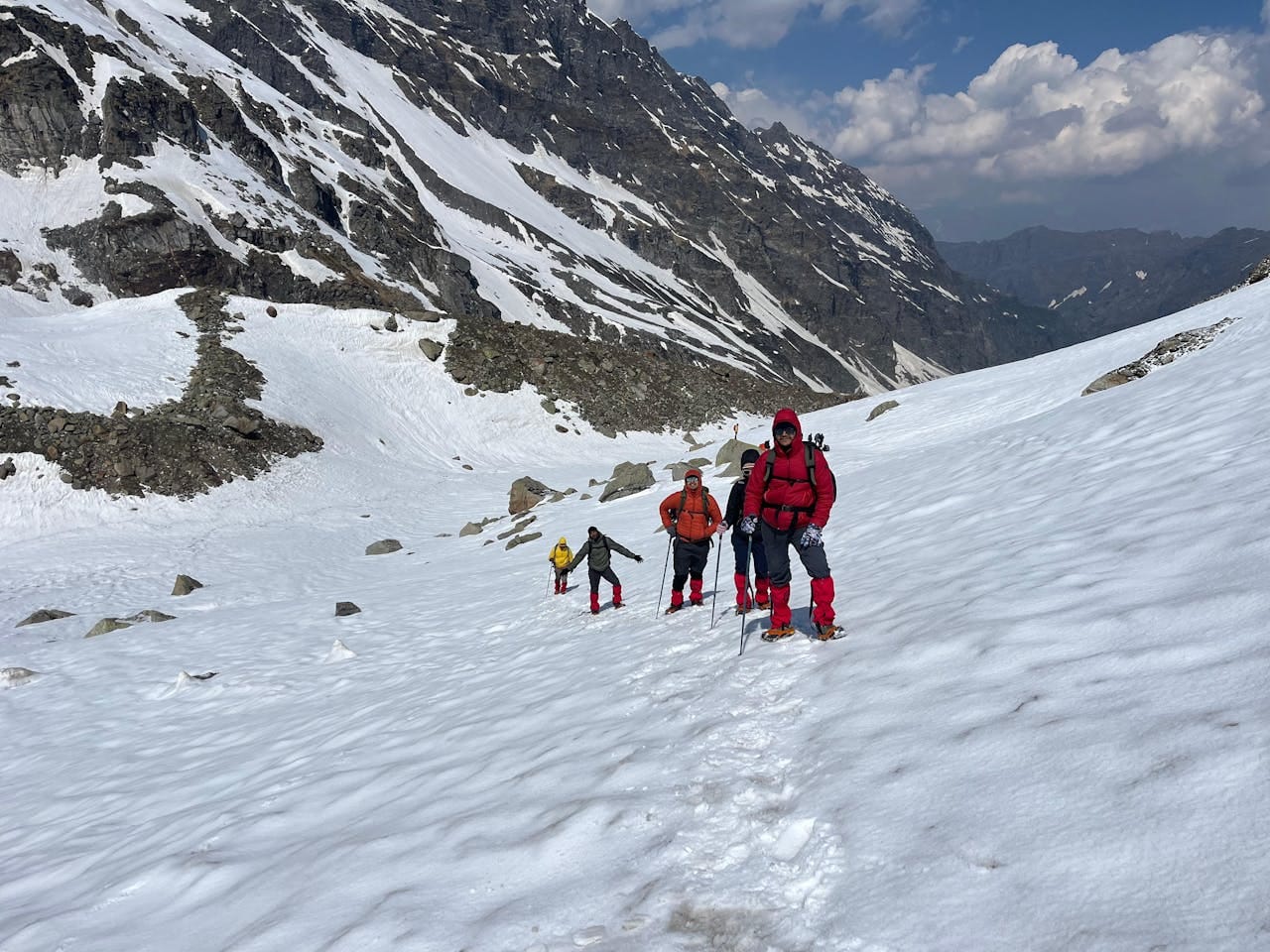
For trekkers ready to push past 15,000 feet, Pangarchulla Peak is the standout challenge on this list. Following the same route as Kuari Pass through Joshimath and Khullara, the trek culminates in a grueling pre-dawn summit day — 10 to 12 hours of steep, snow-covered climbing — that opens up views of Nanda Devi, Kamet, Dronagiri, Chaukhamba, and Trishul. This one demands solid fitness, prior high-altitude experience, and a strong support team, but it's one of the most complete summit experiences Uttarakhand has to offer.
Whichever trail you choose, book with a reputable operator who prioritizes acclimatization, carries proper safety and rescue equipment, and employs local, experienced guides — that's what turns a good trek into an unforgettable one.