Explore the Best Himalayan Treks A Complete Guide with Expert Guides
Explore the Best Himalayan Treks A Complete Guide with Expert Guides
14
Aug

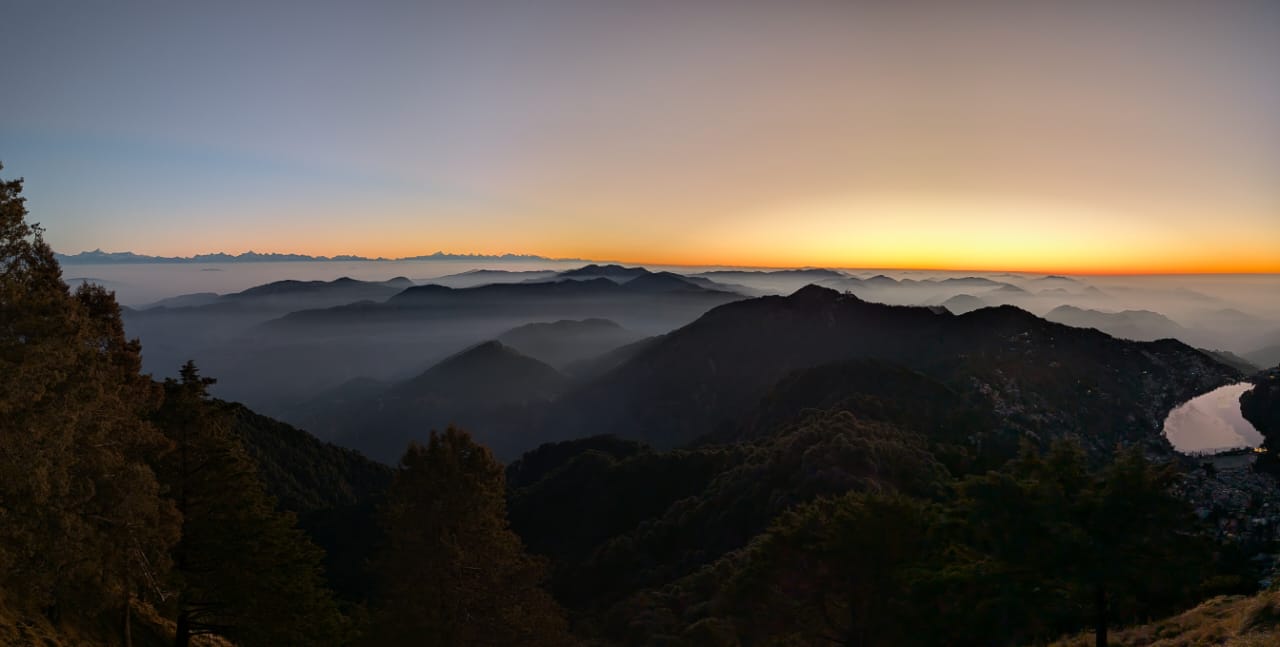
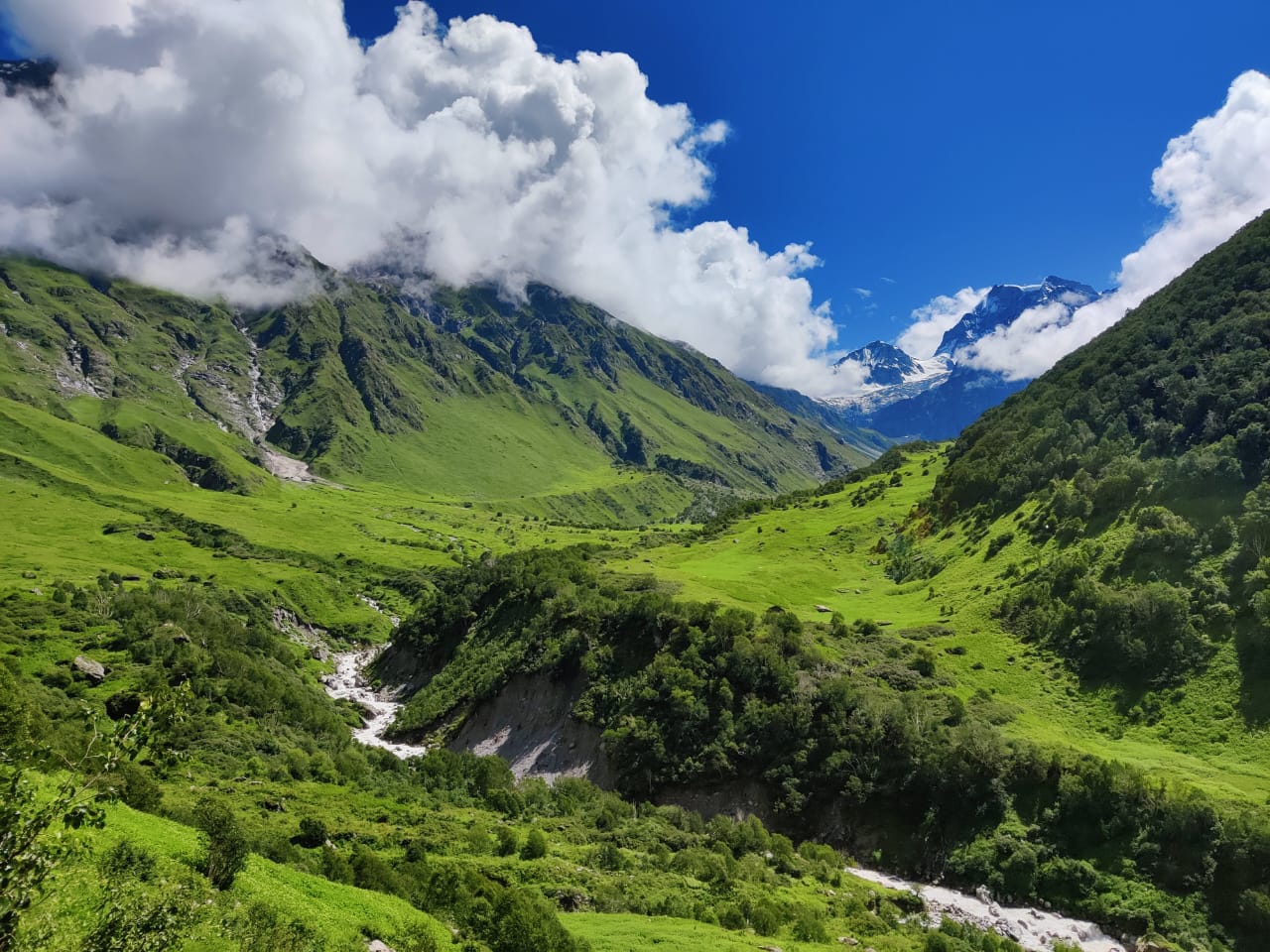
The Indian Himalayas offer some of the most rewarding trekking experiences on the planet — snow-draped summits, alpine meadows bursting with rhododendron blooms, glacial lakes, and 360-degree views of giants like Nanda Devi, Bandarpoonch, and Kamet. Whether you're a first-time trekker looking for a gentle weekend escape or a seasoned mountaineer chasing a technical summit push, Uttarakhand and Himachal Pradesh have a trail for you.
Here's a closer look at seven of the best Himalayan treks — Aancha Top, Kuari Pass, Gulabi Kantha, Patalsu Peak, Nag Tibba, Kedarkantha, and Pangarchulla Peak — along with what makes each one special, and why trekking with expert guides makes all the difference.
Region: Garhwal Himalayas, Uttarakhand | Altitude: ~9,915 ft | Difficulty: Easy | Best Time: October–June
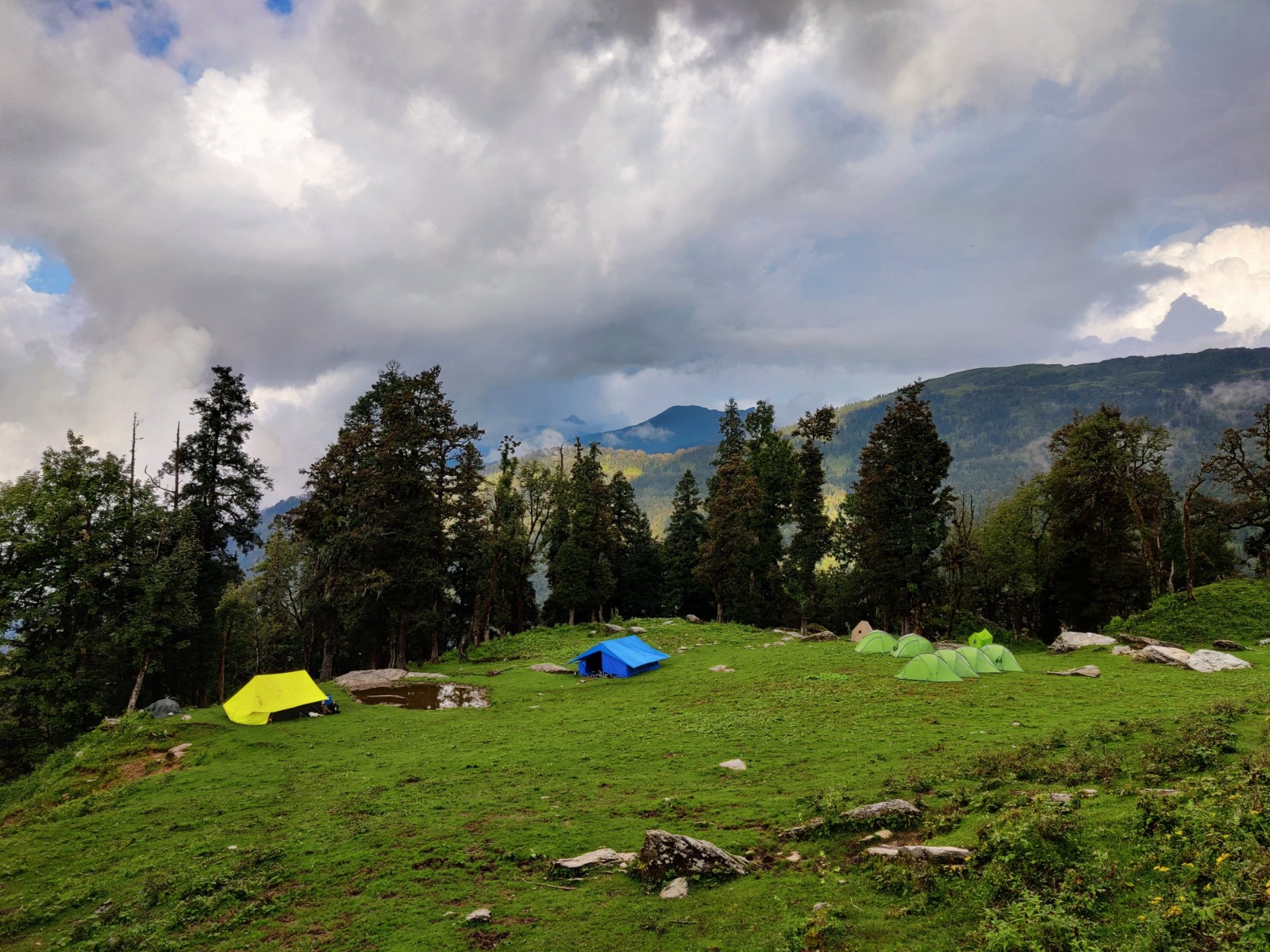
Nicknamed the "Serpent's Peak," Nag Tibba is the highest point in the lower Garhwal range and one of the most accessible Himalayan summits from Delhi and Dehradun. In just two days, trekkers pass through oak and rhododendron forests, open meadows, and charming mountain villages before reaching a summit that rewards them with views of Bandarpoonch, Kedarnath, and the Gangotri range.
It's an ideal starter trek — no technical sections, a well-marked trail, and a manageable elevation gain — making it suitable for families, first-timers, and anyone short on time but craving a genuine mountain experience.
Region: Uttarkashi, Uttarakhand | Altitude: 12,500 ft | Difficulty: Easy to Moderate | Best Time: December–April
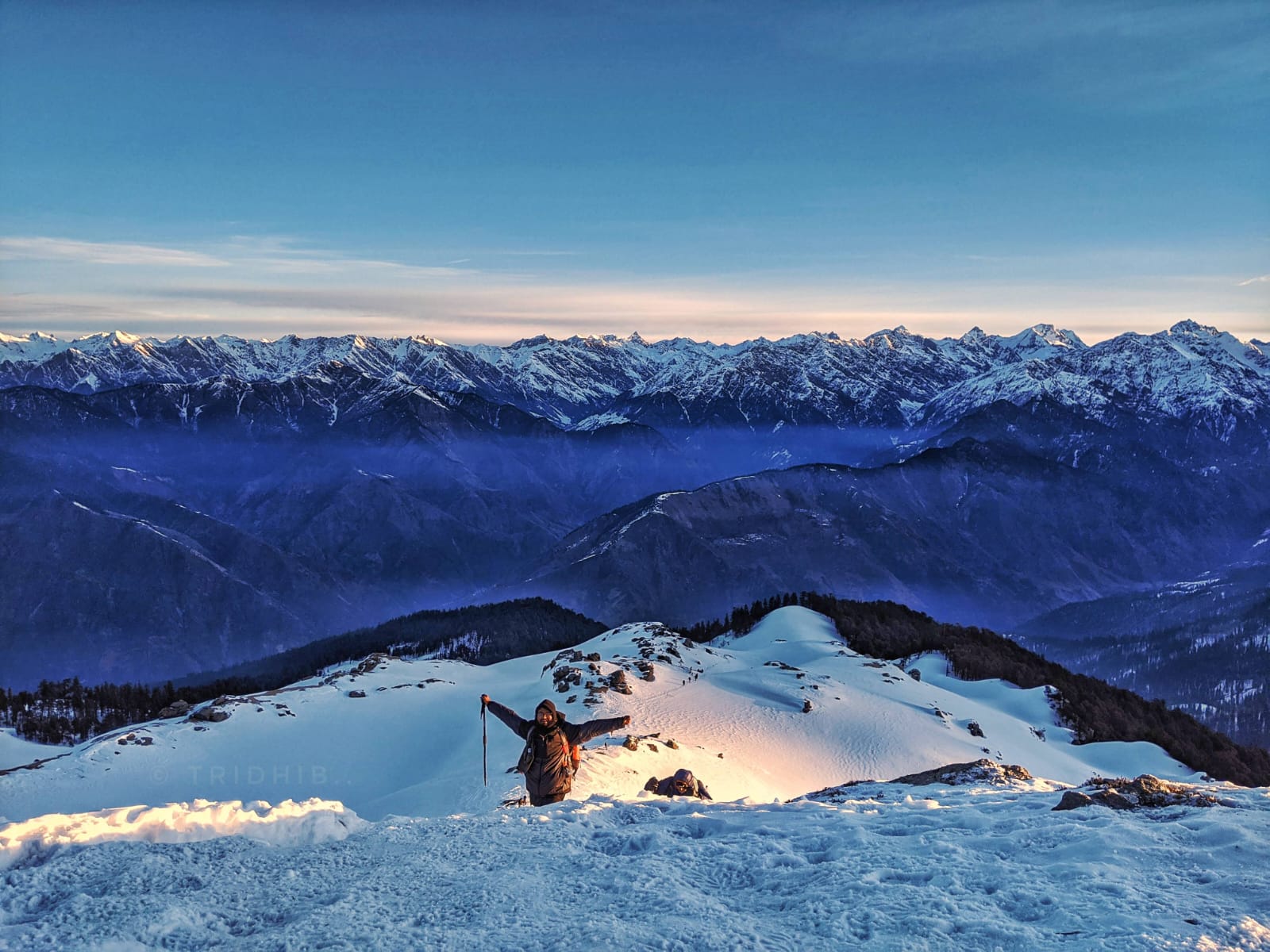
Kedarkantha is arguably India's most iconic winter trek, and for good reason. Starting from Sankri village, the route winds through snow-laden pine forests and open bugyals before a pre-dawn summit push rewards trekkers with a sweeping panorama of Swargarohini, Bandarpoonch, Black Peak, and the Yamunotri range.
The gradual altitude gain makes it forgiving for beginners, while the steep, wind-battered final climb to the summit gives even experienced trekkers a genuine sense of achievement. Winter brings deep snow and sub-zero nights, so proper gear and an experienced guide are essential.
Region: Yamunotri Valley, Uttarkashi | Altitude: ~12,525 ft | Difficulty: Easy to Moderate | Best Time: September–November (also doable in winter)
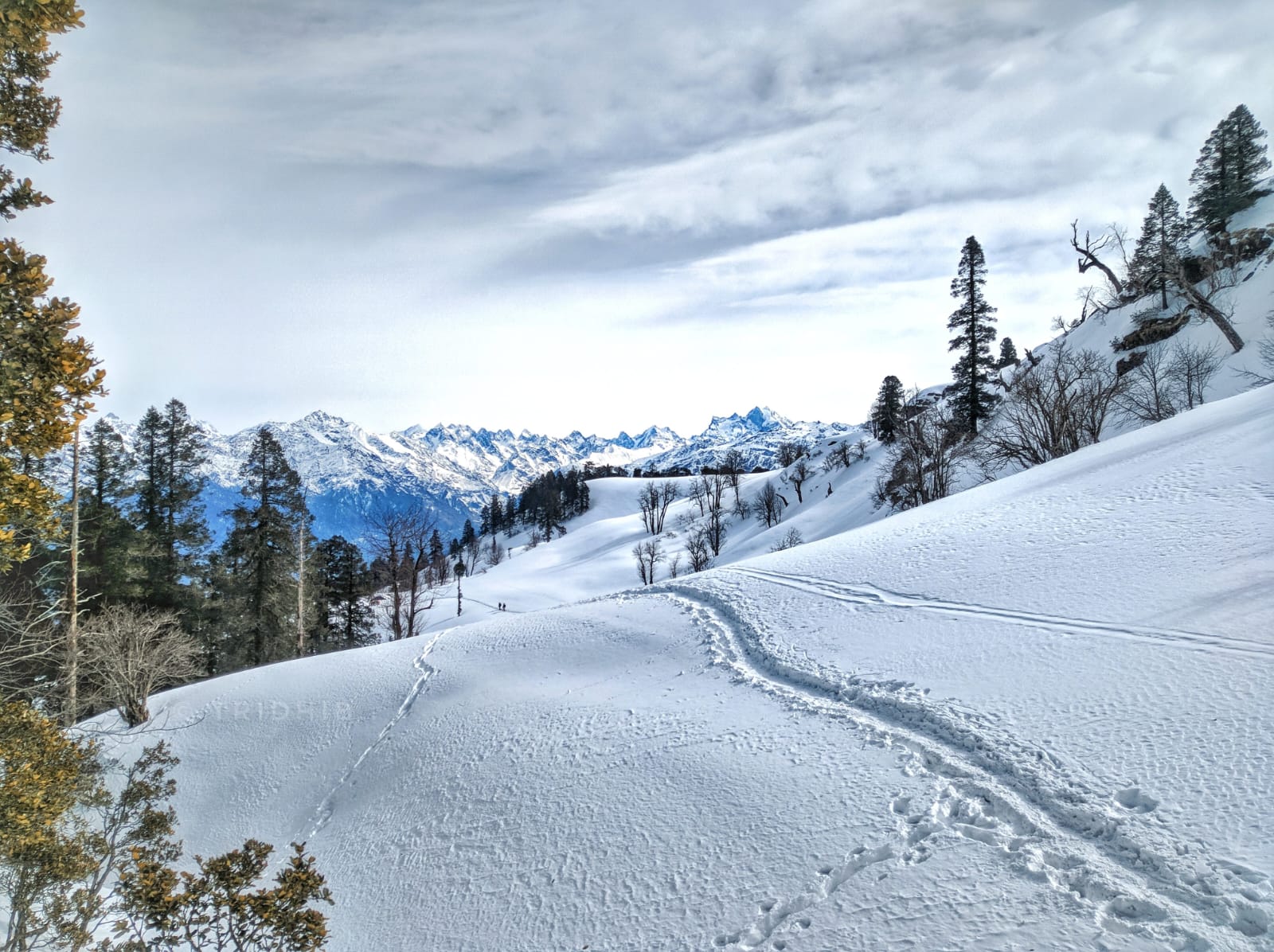
If you want Kedarkantha-style views without the crowds, Aancha Top is the trek to watch. Starting from Ranachatti village, the trail passes through dense forest, the expansive Dinnala Bugyal meadow, and several glacial lakes before a memorable ridge walk leads to the summit.
From the top, a genuine 360-degree panorama opens up — Bandarpoonch, Swargarohini, Kedarnath, Gangotri, and Srikantha peaks all in one frame. Because it's still a relatively undiscovered trail, Aancha Top offers a quieter, more immersive Himalayan experience.
Region: Yamunotri Valley, Uttarkashi | Altitude: ~13,200 ft | Difficulty: Easy to Moderate | Best Time: March–May (spring blooms) and winter months
Gulabi Kantha shares its starting point at Hanuman Chatti with the Yamunotri pilgrimage route, and the trail itself is just as scenic — passing through the Garhwali hamlet of Nishni, the Kandola and Seema campsites, and alpine slopes that turn pink and red with blooming rhododendrons in spring.
The summit delivers a vast, open view of Kedarkantha, Black Peak, Bandarpoonch, Draupadi ka Danda, and Jonali Peak. It's increasingly ranked alongside Kedarkantha and Kuari Pass as one of India's top seasonal treks, while still remaining refreshingly uncrowded.
Region: Solang Valley, Manali, Himachal Pradesh | Altitude: ~13,846 ft | Difficulty: Moderate | Best Time: May–June and September–October
For trekkers based around Manali, Patalsu Peak is a fantastic alternative to the Uttarakhand circuit. The circuitous route begins and ends at Solang Valley, taking trekkers through the Kullu Valley's forests and high pastures before the final push to the summit at nearly 14,000 feet.
It's a well-rounded trek — varied terrain, a satisfying summit climb, and sweeping views of the Pir Panjal and Dhauladhar ranges — that suits both ambitious beginners and more experienced trekkers looking to explore Himachal's lesser-known trails.
Region: Chamoli, Garhwal Himalayas | Altitude: ~12,516 ft | Difficulty: Easy to Moderate | Best Time: March–June and September–December
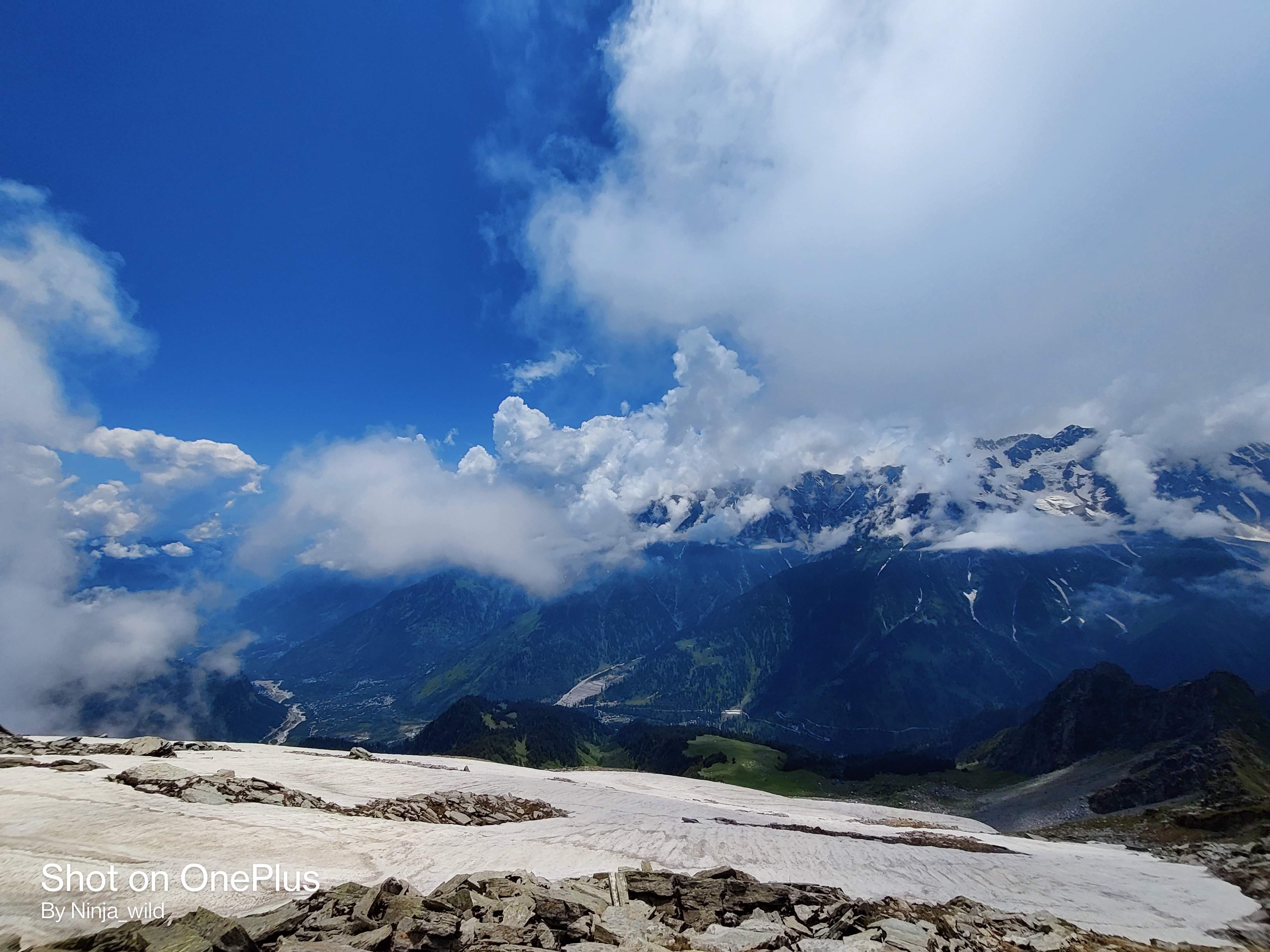
Kuari Pass follows part of the historic Curzon Trail, first explored by a British viceroy over a century ago. Starting from Joshimath, the route climbs gradually through forests and meadows to a pass that opens up one of the finest panoramas in the Garhwal Himalayas — Nanda Devi, Dronagiri, Kamet, Trishul, and Hathi Ghoda Parbat, all visible at once.
On its own, Kuari Pass is considered one of the best introductory treks to high-altitude Himalayan trekking: a well-marked, non-technical trail with an extraordinary payoff. It's often combined with the Pangarchulla Peak extension for trekkers wanting an added challenge.
Region: Chamoli, Garhwal Himalayas | Altitude: ~15,096 ft | Difficulty: Moderate to Difficult | Best Time: December–March (snow) and April–June (clear views)
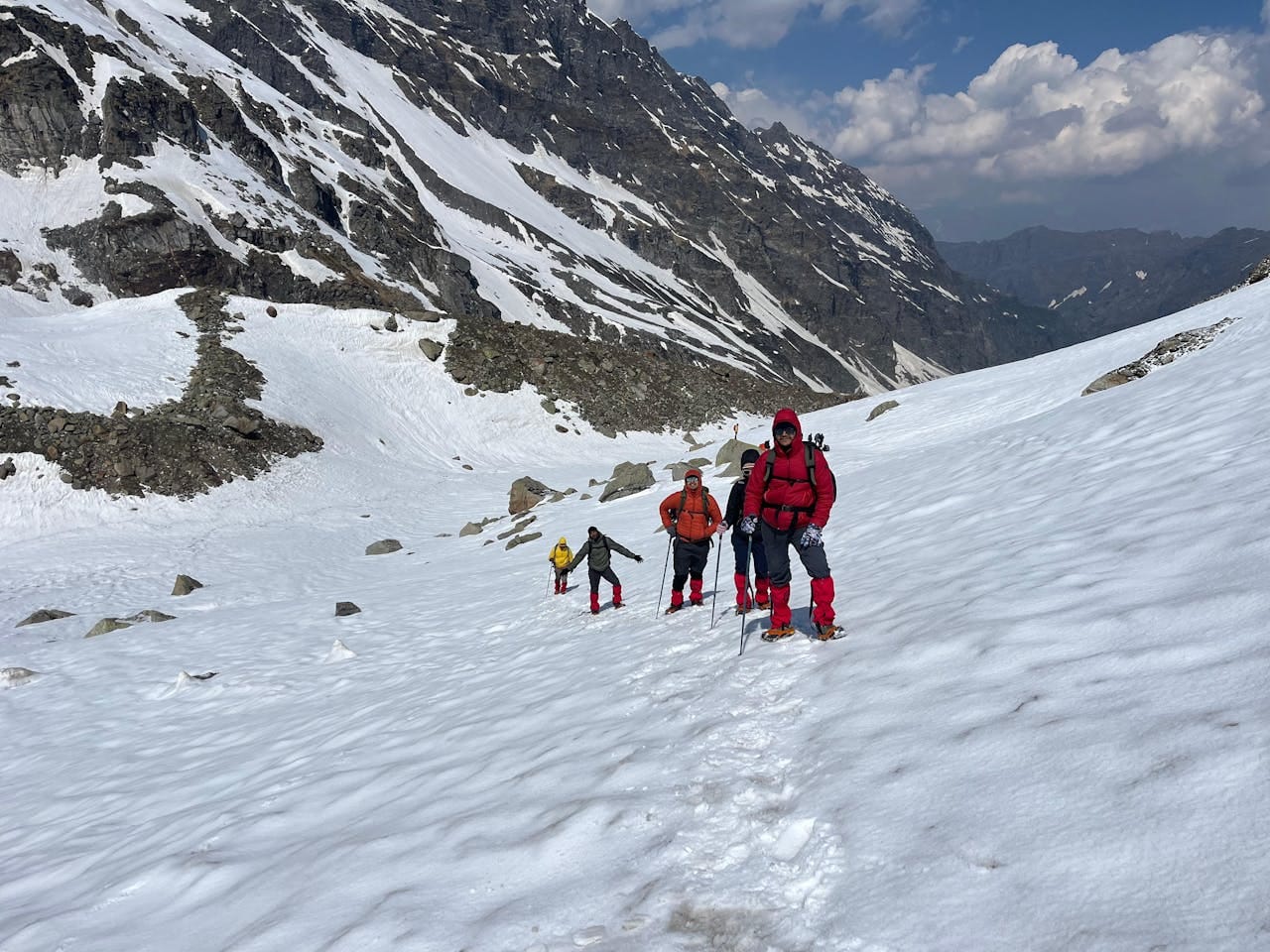
Pangarchulla is where the Kuari Pass trail turns into a genuine mountaineering-style challenge. After following the same route through Joshimath, Tugasi, and Khullara, trekkers set out on a pre-dawn summit push involving a steep, snow-covered ascent and roughly 10–12 hours of sustained effort.
The reward is a summit above 15,000 feet with head-spinning views of Nanda Devi, Kamet, Dronagiri, Chaukhamba, and Trishul. This trek demands solid fitness, prior high-altitude experience, and — given the technical, weather-exposed summit day — the guidance of an experienced trek leader.
High-altitude Himalayan trekking looks straightforward in photos, but conditions can change fast — sudden snowfall, thin air, exposed ridgelines, and long summit days all demand real judgment. Trekking with experienced, certified guides means:
Whether you're chasing a gentle weekend summit like Nag Tibba or a demanding high-altitude push like Pangarchulla Peak, the difference between a good trek and a great one often comes down to who's leading the way.
From the beginner-friendly slopes of Nag Tibba to the high-altitude thrill of Pangarchulla Peak, these seven treks capture the full range of what the Himalayas have to offer. Pick a trail that matches your fitness and experience, trek in the right season, and — above all — go with guides who know the mountains as well as they know how to keep you safe.
Ready to lace up your boots? Whichever trail calls to you, the Himalayas are waiting