Pin Bhaba Pass Trek in Spiti Valley A Journey Between Two Himalayan Worlds
Pin Bhaba Pass Trek in Spiti Valley A Journey Between Two Himalayan Worlds
21
Jun

From the Green Valleys of Kinnaur to the Cold Desert of Spiti – Our Unforgettable Himalayan Adventure
There are treks that impress you with their views, and then there are treks that completely redefine what you think the Himalayas look like. The Pin Bhaba Pass Trek in Spiti Valley belongs to the second category.
When our group first booked the Pin Bhaba Pass Trek, we expected snow-capped peaks, alpine meadows, and challenging mountain trails. What we did not expect was to witness one of the most dramatic landscape transformations in the Indian Himalayas. In just a few days, we walked from the lush green forests of Kinnaur to the stark, barren landscapes of Spiti Valley, crossing a high-altitude pass at 4,915 meters.
Often regarded as one of the best treks in Spiti Valley, this remarkable crossover trek combines the beauty of Kinnaur with the rugged wilderness of Spiti, offering an experience that feels like two completely different journeys packed into one.
If you are searching for a true Himalayan adventure, here is everything you need to know about the Pin Bhaba Pass Trek in Spiti Valley.
Quick Facts at a Glance
|
Trek Name |
Pin Bhaba Pass Trek |
|
Location |
Kinnaur and Spiti Valley, Himachal Pradesh |
|
Difficulty Level |
Moderate to Difficult |
|
Maximum Altitude |
4,915 m (16,125 ft) |
|
Trek Duration |
7–8 Days |
|
Trek Distance |
Approx. 50–55 km |
|
Best Time to Visit |
July to September |
|
Starting Point |
Kafnu |
|
Ending Point |
Mudh Village |
|
Region |
Kinnaur to Spiti Valley |
|
Accommodation |
Camps and Guesthouses |
Among all the high-altitude treks in Himachal Pradesh, few can match the diversity offered by the Pin Bhaba Trek.
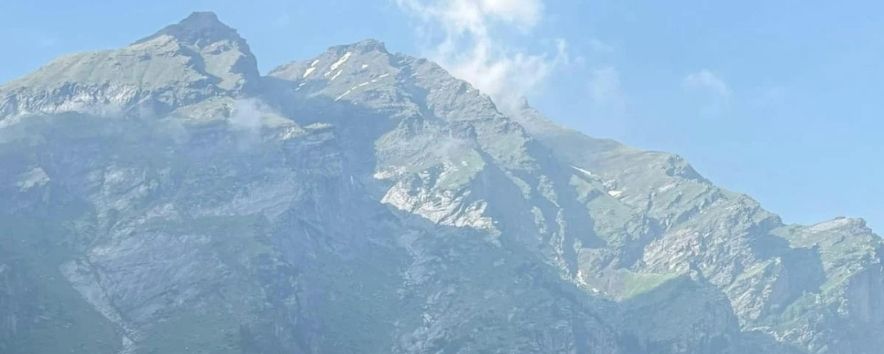
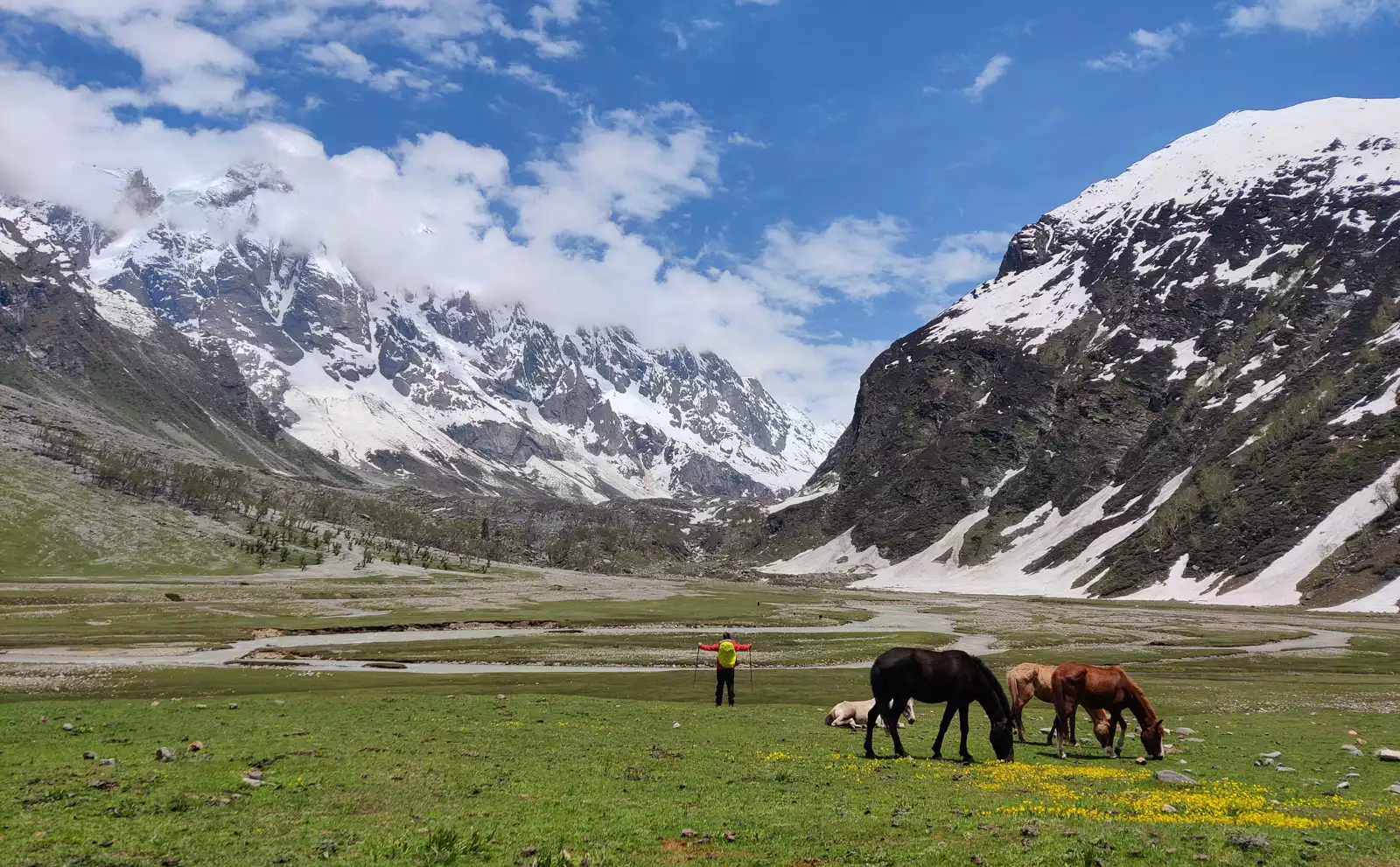
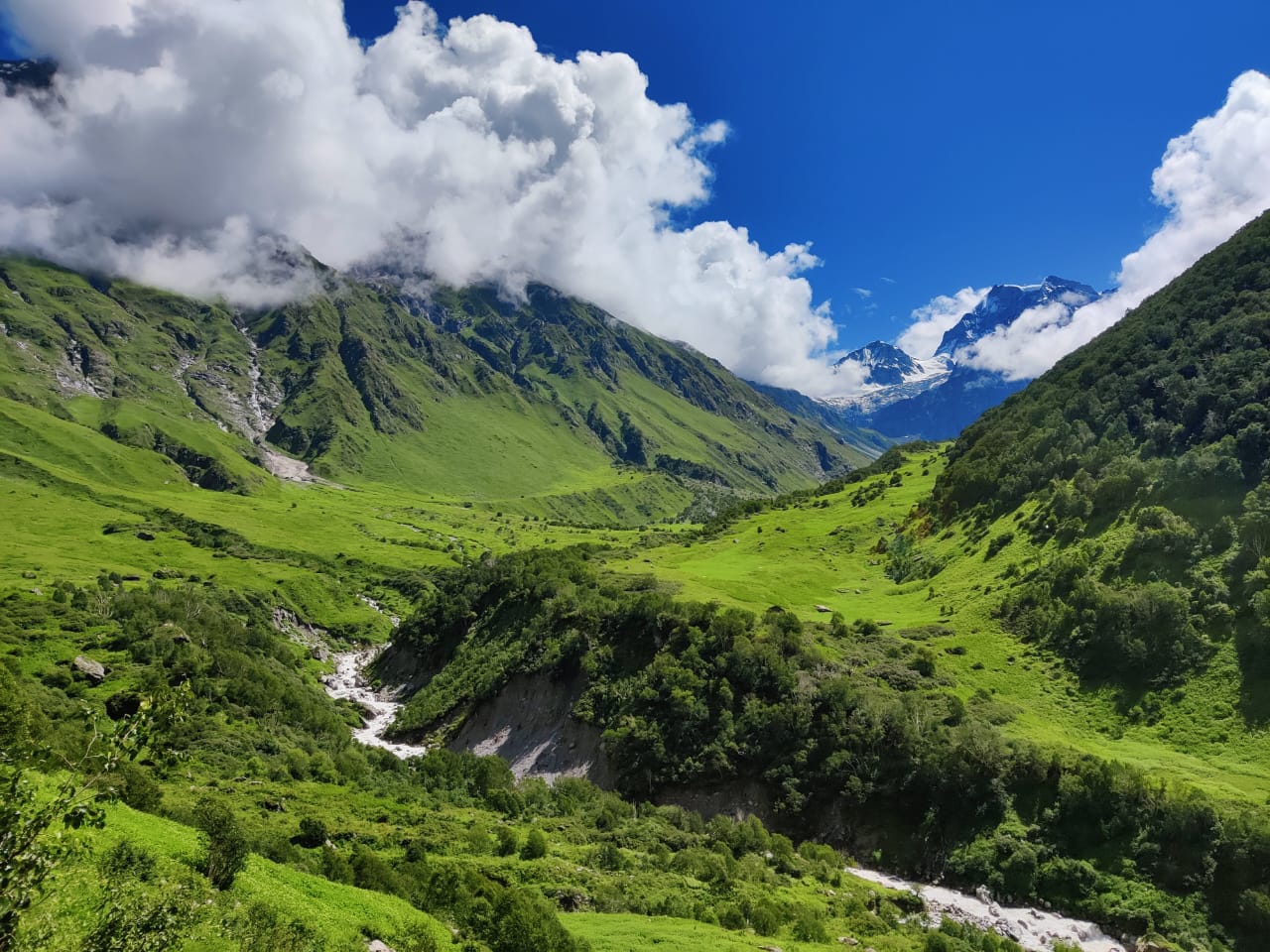
Most Himalayan treks remain within a single geographical region. This trek is different. It begins in the green Bhaba Valley of Kinnaur, filled with forests, streams, and flower-covered meadows. As you progress, the scenery becomes increasingly rugged until you finally cross Pin Bhaba Pass and descend into the barren cold desert of Spiti.
The contrast is astonishing.
One side is vibrant and green.
The other is dry, dramatic, and moon-like.
This unique transition makes the Kafnu to Mudh Trek one of the most rewarding crossover treks in the Himalayas.
The idea of trekking in Spiti Valley had been on our minds for years. We had explored popular Himalayan routes before, but we wanted something more remote and less crowded.
While researching the best treks in Spiti Valley, we repeatedly came across the Pin Bhaba Pass Trek. Every trekker seemed to describe it as one of the most visually diverse treks in India.
That was enough to convince us.
We spent weeks preparing physically, purchasing trekking gear, and planning our travel to Shimla. Since the trek reaches nearly 5,000 meters, cardiovascular fitness and stamina became our primary focus during training.
By the time departure day arrived, excitement had completely replaced nervousness.
The first day eased us into the trek.
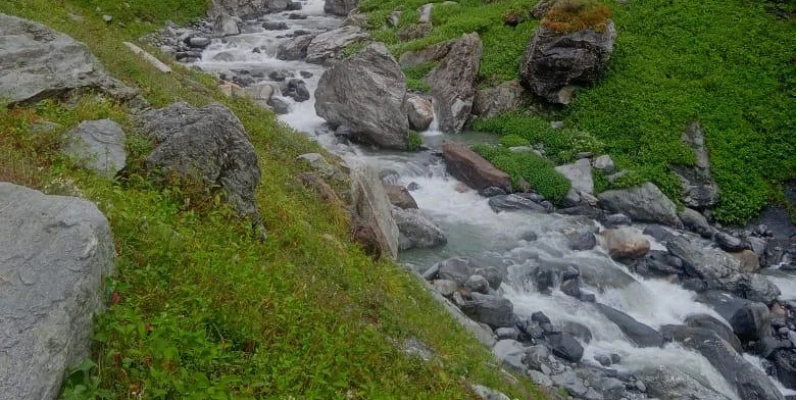
The trail passed through dense forests, wooden bridges, and beautiful riverside paths. The Bhaba River remained our constant companion throughout the day.
The campsite at Mulling was surrounded by greenery and offered stunning mountain views.
As we sat around discussing the days ahead, we realized this trek was already exceeding expectations.
The trail gradually became more challenging.
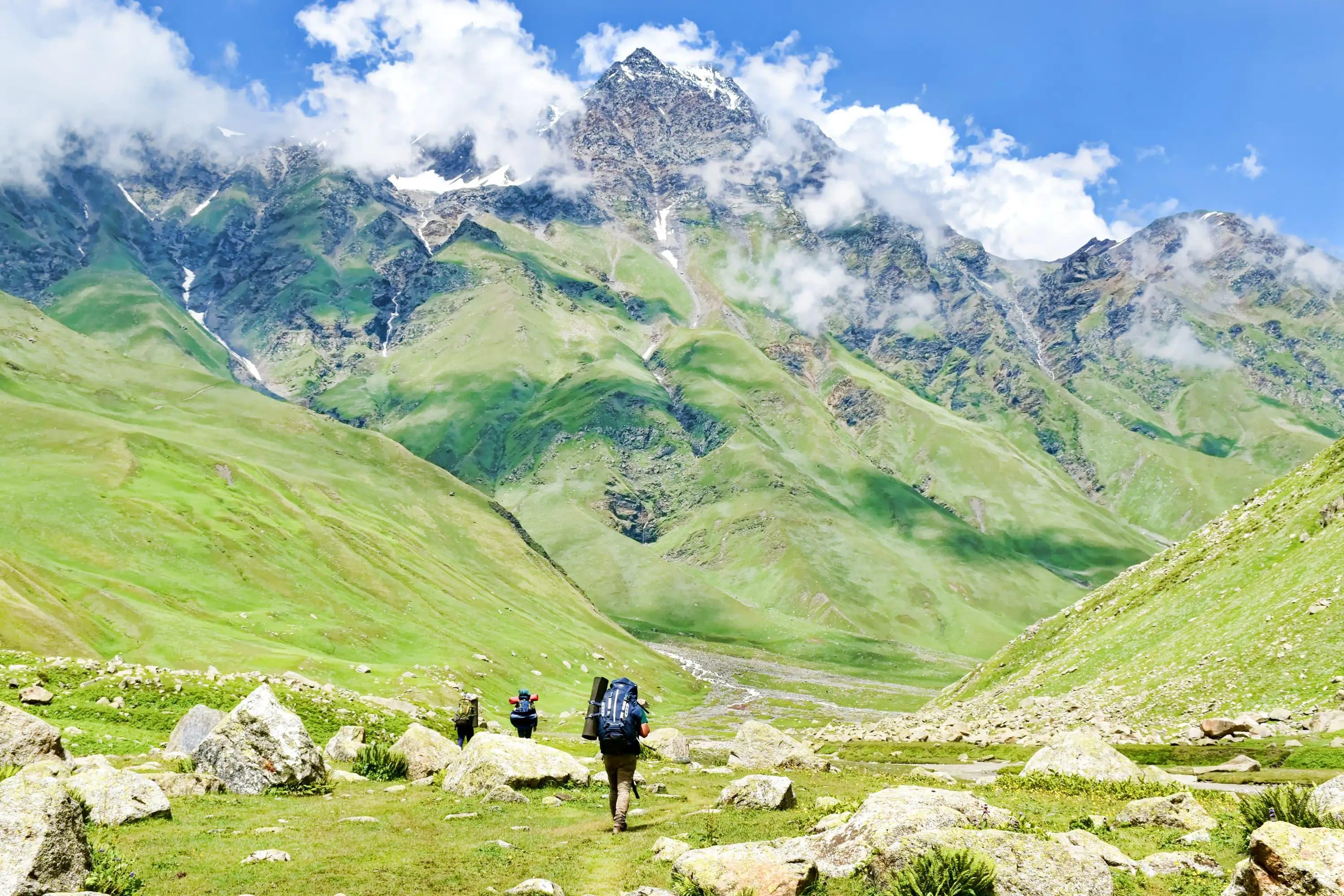
We crossed multiple streams and traversed wide meadows bursting with wildflowers. The valley widened, revealing magnificent mountain walls on either side.
Kara offered one of the most scenic campsites of the trek.
Watching the evening sunlight paint the surrounding peaks in shades of gold and orange was unforgettable.
This section marked our entry into a more rugged Himalayan environment.
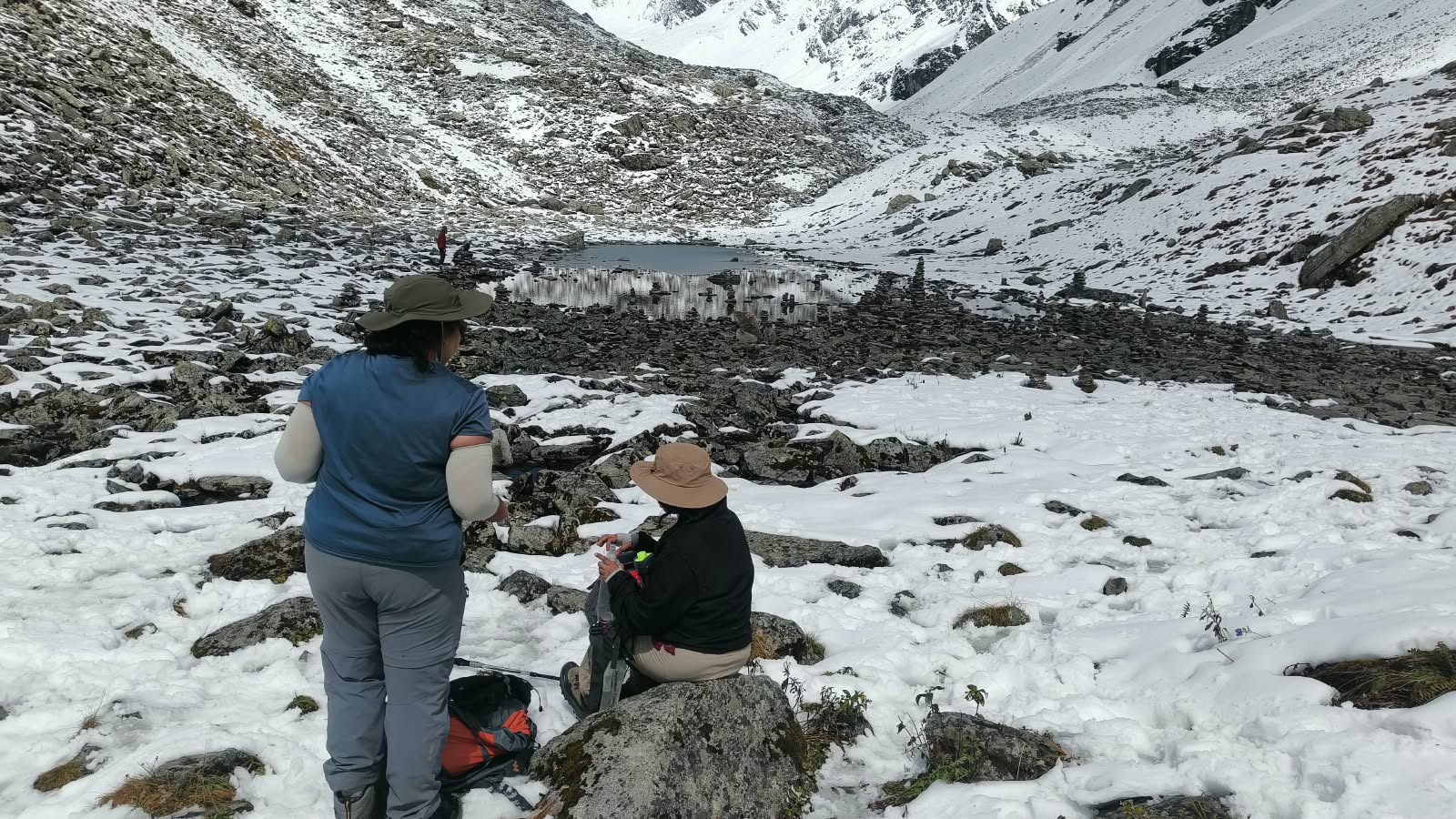
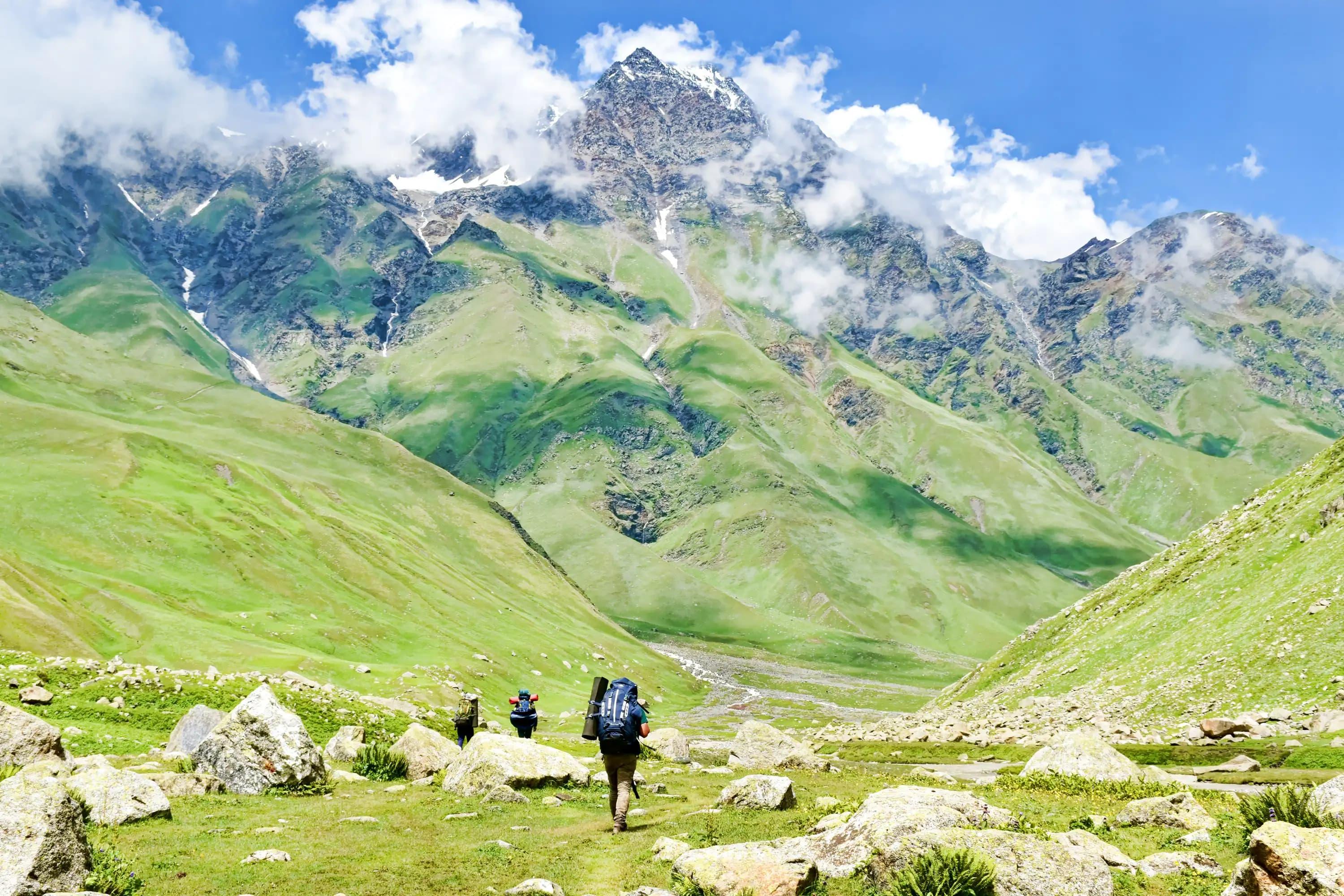
The vegetation began thinning as altitude increased. Snow patches appeared in the distance, and glacial streams became more common.
The landscape now felt wilder and more remote.
By the time we reached Phutsirang, we could sense that the pass crossing was getting closer.
This was the most challenging and rewarding day of the trek.
We started before sunrise.
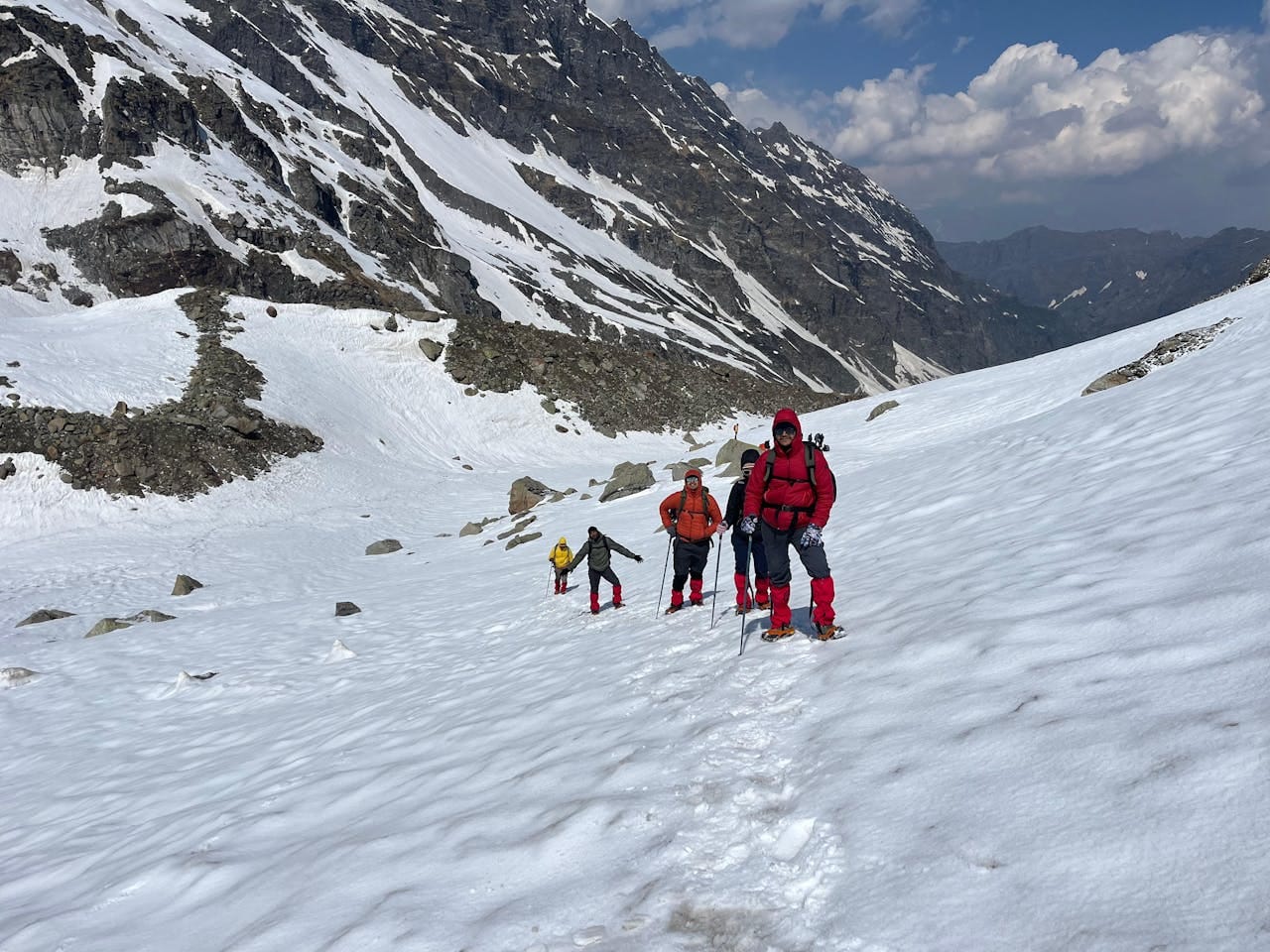
The climb towards Pin Bhaba Pass altitude was gradual but demanding. The thin air made every step feel heavier.
As we approached the pass, excitement grew within the group.
And then we reached the top.
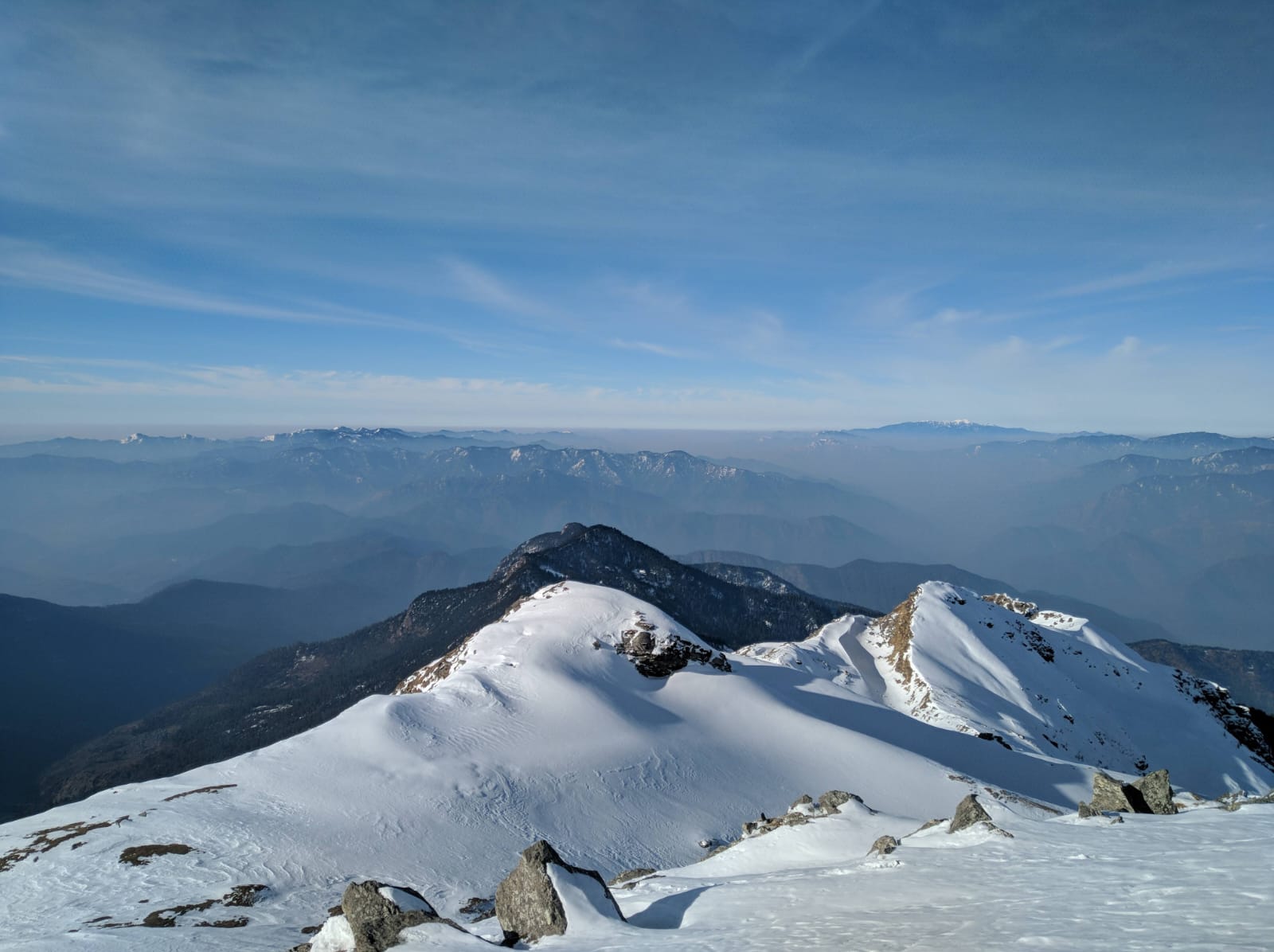
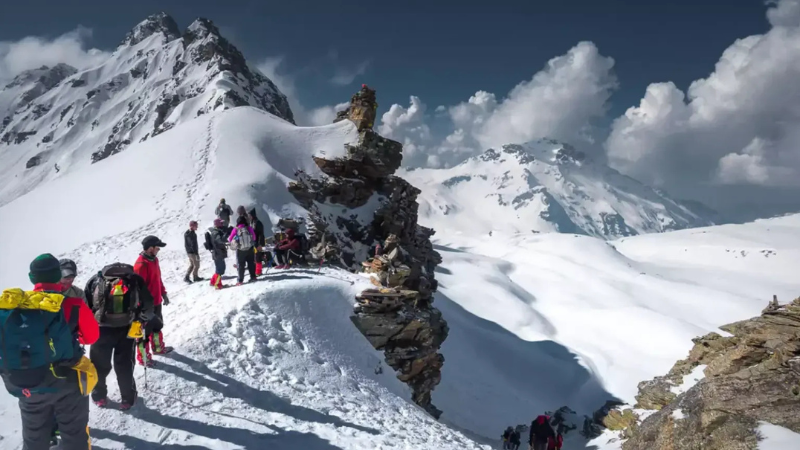
Standing at 4,915 meters, we witnessed one of the most spectacular sights in the Himalayas.
Behind us stretched the green valleys of Kinnaur.
Ahead lay the barren landscapes of Spiti Valley.
The contrast was so dramatic that it almost felt unreal.
Crossing the pass remains one of the most memorable moments of our trekking lives.
Descending into Spiti Valley felt like entering another world.
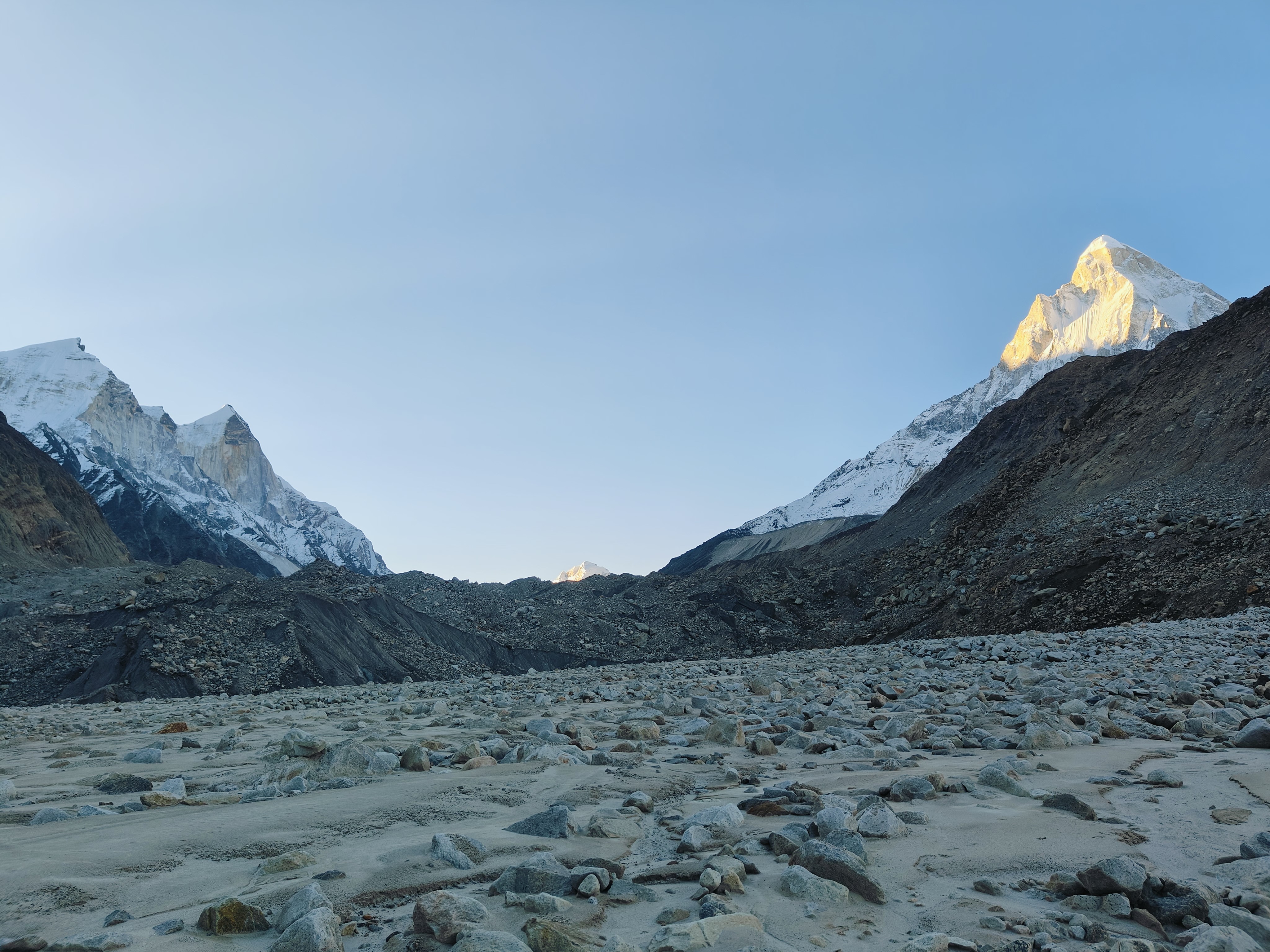
The terrain became drier, rockier, and more dramatic with every passing kilometer.
Towering cliffs, unique rock formations, and vast open landscapes surrounded us.
Eventually, we reached Mudh Village, one of the most beautiful villages in the Pin Valley region.
Completing the Pin Valley Trek route filled us with a sense of accomplishment and gratitude.
After days of walking through remote wilderness, reaching Kaza felt surreal.
The drive from Mudh to Kaza introduced us to more of Spiti Valley's spectacular scenery.
Although the trek had officially ended, the memories were only beginning to settle in.
Experiences That Made This Trek Extraordinary
Standing at nearly 5,000 meters and witnessing two contrasting Himalayan worlds is an unforgettable experience.
Few treks offer such dramatic geographical diversity.
The Bhaba Valley is home to expansive grasslands and colorful wildflowers.
The trail remains relatively untouched compared to many popular Himalayan treks.
Every campsite offers unique views and a genuine wilderness experience.
Walking into Spiti Valley rather than driving there creates a much deeper connection with the landscape.
If someone asked us to name one reason to do this trek, we would struggle because there are many.
The Pin Bhaba Pass Trek in Spiti Valley offers:
· Diverse landscapes
· High mountain passes
· Remote wilderness
· Stunning campsites
· Unique Himalayan culture
· Adventure and challenge
· Less crowded trails
· Incredible photography opportunities
It is easily among the most rewarding experiences for anyone interested in trekking in Kinnaur and Spiti.
We had booked our trek for the last week of August, and honestly, we couldn't have asked for a better introduction to the Pin Bhaba Pass Trek. The Bhaba Valley was at its greenest, wildflowers still covered sections of the trail, and the streams carried enough water to remind us that the mountains were very much alive.
One of the things I remember most from those first few days was how vibrant everything looked. The meadows around Mulling and Kara seemed almost unreal, especially after spending months staring at city landscapes. Every turn revealed a different shade of green, with waterfalls tumbling down cliffs and clouds drifting lazily across the valley.
That said, August wasn't perfect every single day. We did encounter brief spells of rain, and there were moments when the trail became muddy. Nothing that affected the trek significantly, but enough to remind us that we were trekking during the monsoon window in the Himalayas.
While August worked wonderfully for us, many of the guides and fellow trekkers we met spoke highly of July and September as well. A few people in our group had previously done sections of the region in July and mentioned that the valleys are often at their most colourful then, with blooming flowers spread across the landscape.
September, on the other hand, seemed to be the month most photographers preferred. Almost everyone we spoke to said the skies are generally clearer after the monsoon begins to retreat, offering sharper views of the surrounding peaks and a greater chance of witnessing the dramatic contrast between Kinnaur and Spiti in all its glory.
From what we experienced and heard along the trail, the trekking season for the Pin Bhaba Pass Trek generally runs between July and September. We trekked in August and loved every bit of it, but if crystal-clear mountain views are your priority, September might have a slight edge. If lush meadows and vibrant greenery are what draw you to the Himalayas, July and August are difficult to beat.
In the end, the best time depends on what you want to experience. The mountains change their character throughout the season, but the magic of walking from the green world of Kinnaur into the stark landscapes of Spiti remains the same.
One thing that made preparing for the Pin Bhaba Pass Trek much easier was the detailed gear checklist shared by Thin Air Expedition well before departure. Since this was our first time attempting a high-altitude trek in Himachal Pradesh, having a recommended packing list helped us avoid both overpacking and underpacking.
Our backpacks mostly contained moisture-wicking T-shirts, trekking pants, thermals, a fleece jacket, a down jacket, and a waterproof shell. Looking back, layering was probably the most important lesson we learned during the Pin Bhaba Trek. The weather changed constantly as we moved from the lush valleys of Kinnaur towards the higher reaches of the trail.
A reliable pair of trekking shoes turned out to be absolutely essential. The Pin Bhaba Pass Trek route passes through meadows, rocky sections, stream crossings, loose moraine, and muddy stretches. By the end of the journey, we were thankful that we had invested in quality footwear.
For anyone planning the Pin Bhaba Pass Trek in Spiti Valley, good sunglasses, trekking poles, a headlamp, sunscreen, and a rain cover are small items that make a surprisingly big difference on the trail.
Several trekkers in our group chose to rent equipment rather than buy everything. Jackets, trekking poles, sleeping bags, and other gear were available on rent, which is helpful for people attempting the Pin Bhaba Pass Trek for the first time.
Looking back, the gear recommendations proved extremely useful. Whether you're an experienced trekker or planning your first trekking adventure in Spiti Valley, carrying the right gear can significantly improve your comfort and safety throughout the journey.
To be honest, permits were probably the last thing on our minds when we signed up for the Pin Bhaba Pass Trek. Like most trekkers, we were busy buying gear, training for the trek, and endlessly checking weather forecasts. It wasn't until a few days before departure that we realized how many permissions are actually involved in organizing a trek through such a remote Himalayan region.
Since the trail passes through protected mountain landscapes and remote villages, various permissions and local clearances may be required depending on current regulations. These can include forest permissions, camping approvals, and administrative clearances. Requirements occasionally change from season to season, which can make the process confusing for independent trekkers.
Fortunately, this was one aspect of the trek that Thin Air Expedition handled seamlessly as part of the package. Apart from submitting our identification documents before the trek, we never had to run from one office to another or worry about whether a particular permit had been arranged. By the time we reached Kafnu, everything had already been taken care of.
Looking back, this was one of those behind-the-scenes efforts that we probably didn't appreciate enough at the time. It's only when you speak to independent travellers or hear stories of last-minute documentation issues that you realize how much coordination goes into organizing a trek in regions like Kinnaur and Spiti.
The only thing we needed to ensure was that we carried valid identification. Indian trekkers were asked to keep a government-issued photo ID handy, while foreign nationals were advised to carry their passport and supporting travel documents. A few extra passport-size photographs are also worth carrying, just in case they're required for registrations or local formalities.
One thing we particularly appreciated was that the trek leaders briefed us about these requirements well before the departure date. There was no last-minute confusion, no scrambling for documents, and no surprises upon arrival. It allowed us to focus on what we had actually come for—the experience of crossing Pin Bhaba Pass and exploring one of the most spectacular trekking routes in the Himalayas.
For us, the permit process became something we hardly noticed, and that's probably the best compliment we can give. When everything is managed efficiently in the background, trekkers are free to enjoy the mountains without worrying about paperwork.
One of the things that surprised us about the Pin Bhaba Pass Trek wasn't just the dramatic change in landscapes but how the vegetation changed along with it.
The first few days through Bhaba Valley felt incredibly vibrant. The trail wound through dense forests, grassy meadows, and slopes dotted with seasonal wildflowers. Since we trekked in August, patches of the valley were still bursting with colour, and it often felt like every campsite had a different backdrop.
I'm not a botanist, so I couldn't confidently name every flower we came across, but our trek leader occasionally pointed out a few alpine species growing along the trail. What stood out more than individual plants was the sheer contrast. As we gained altitude and moved closer to the pass, the greenery gradually began to disappear. By the time we descended towards Mudh Village in Spiti, the lush landscapes had given way to rugged mountains, sparse vegetation, and the stark beauty that Spiti Valley is known for.
Wildlife sightings were a bit more unpredictable.
Unlike the scenery, which was constantly around us, spotting animals required a combination of luck and timing. We noticed a few birds soaring high above the valley, and on one occasion, our guides pointed out movement on a distant mountainside that they believed was a group of wild mountain animals. They were far too distant for most of us to identify clearly, but it was still exciting knowing that these remote valleys are home to species that thrive in such harsh terrain.
Several local guides also spoke about wildlife that is occasionally spotted in the region, including Himalayan ibex, blue sheep, marmots, and various high-altitude birds. While we weren't fortunate enough to encounter all of them ourselves, knowing they inhabit these mountains added another layer of fascination to the journey.
For me, the real highlight wasn't checking wildlife off a list. It was witnessing how dramatically nature changes over the course of a single trek. Few routes in the Himalayas showcase such a remarkable transition—from the green valleys and flower-filled meadows of Kinnaur to the raw, barren landscapes of Spiti. Even if you don't spot a single animal, the changing ecosystem itself becomes one of the most memorable parts of the experience.
Before the trek, one of the questions that kept coming up in our group was, "What is the food going to be like?" After all, we were heading into a remote Himalayan valley where everything needed to be carried in and managed far away from towns and markets.
Looking back, food became one of those small things that we appreciated more with each passing day.
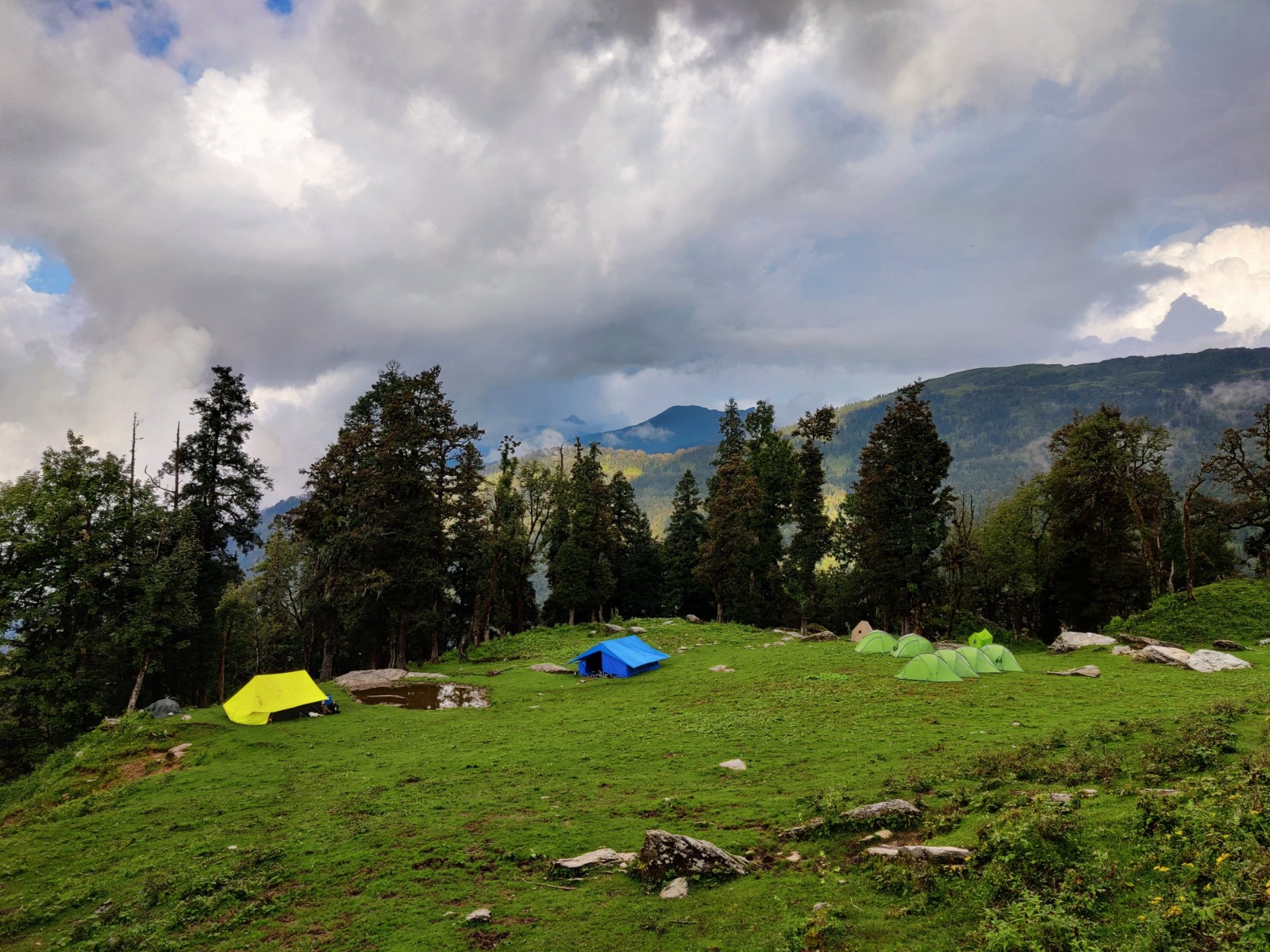
During the trek, our accommodation was primarily in tents. Every evening, after hours of walking through valleys, river crossings, and mountain trails, arriving at camp felt incredibly rewarding. There was something special about unzipping a tent each morning and finding yourself surrounded by mountains instead of buildings and traffic.
The camps themselves were simple but comfortable. By the second day, our routine had become familiar—reach camp, drop the backpack, grab a hot drink, exchange stories from the day's trek, and watch the mountains slowly change colour as the sun disappeared behind the ridges.
As for the food, it was far better than most of us had expected from a remote trekking expedition. The meals were simple, nutritious, and exactly what tired trekkers needed after spending six to eight hours on the trail. Breakfasts were usually hearty enough to keep us going for the first half of the day, while dinners became the highlight of the evening.
I still remember how eagerly everyone gathered around for hot meals after reaching camp. Whether it was parathas in the morning, dal and rice after a long day, a warm bowl of soup in the evening, or even a plate of pasta on one of the nights, everything somehow tasted better in the mountains than it ever would back home.
One evening, after a particularly demanding day on the trail, our group sat together sharing stories over cups of tea while watching clouds roll across the valley. Nobody was discussing gourmet cuisine or restaurant-quality food. We were simply grateful for something warm, filling, and comforting after hours of trekking. That moment perfectly captured what mountain meals are all about.
Another thing we appreciated was how the trek staff made an effort to keep meals varied throughout the journey. Considering the remoteness of the Pin Bhaba Pass Trek, the quality and consistency of the food genuinely impressed us.
Accommodation before and after the trek was naturally more comfortable. Most trekkers stay in guesthouses or local homestays around the starting and ending points, which provides a welcome opportunity to rest, freshen up, and enjoy a proper bed before heading into the wilderness or returning home.
By the end of the trek, we realized that food and accommodation were never really about luxury. They were about comfort, warmth, and recovery. After spending an entire day walking through the spectacular landscapes of the Pin Bhaba Pass Trek in Spiti Valley, even a simple meal shared with fellow trekkers became part of the experience and one of the memories we carried home with us.
Having completed the Pin Bhaba Pass Trek, there are a few things we would definitely do the same way again and a few things we'd pay more attention to if we were returning to the trail.
The first is fitness. A few members of our group started preparing nearly two months before the trek, while others relied on their general fitness levels. By the time we reached the higher camps and the pass crossing day, the difference was quite noticeable. Looking back, spending 6–8 weeks building stamina through walking, jogging, stair climbing, or regular workouts is probably one of the best investments you can make before the trek.
Another lesson came from our footwear. Before leaving for Kafnu, there was endless discussion in our group about jackets, backpacks, and gadgets. Once the trek began, however, it became clear that a reliable pair of trekking shoes mattered more than almost anything else. The trail constantly changed from forest paths and grassy meadows to rocky stretches and stream crossings, and good shoes made every day significantly more comfortable.
One thing our trek leaders from Thin Air Expedition kept reminding us about was hydration. At first, it felt unnecessary because the weather was cool and we rarely felt thirsty. Yet the more experienced trekkers made a conscious effort to keep drinking water throughout the day. By the end of the trek, we understood why. Staying hydrated helped us cope much better with the altitude and long walking hours.
If there's one mistake many first-time trekkers make, it's rushing. We certainly did during the initial days. The excitement of being in the mountains often makes you walk faster than necessary. Thankfully, our trek leaders encouraged us to maintain a steady pace instead of trying to reach camp first. Once we settled into a comfortable rhythm, the trek became far more enjoyable.
Packing smart is another lesson the mountains taught us. Despite receiving a detailed gear checklist beforehand, most of us still carried a few items that never left our backpacks. Every extra kilogram feels heavier with altitude. If we were doing the trek again, we'd pack lighter while still carrying the essentials.
One thing we got right was following the guidance of the trek leaders. Whether it was advice about acclimatization, weather conditions, hydration, or the next day's trail, their local knowledge proved invaluable throughout the journey.
The mountains also reminded us to be mindful guests. The villages, campsites, and landscapes we passed through are incredibly beautiful because they remain relatively untouched. Carrying reusable water bottles, avoiding litter, and respecting local customs felt less like rules and more like responsibilities.
Finally, be prepared for changing weather. We trekked in August and experienced sunshine, clouds, wind, and brief rain showers—sometimes all within a few hours. The Himalayas have a way of keeping you on your toes, and accepting that unpredictability is part of the adventure.
Looking back, none of these lessons seem particularly complicated. Yet together, they played a huge role in making our Pin Bhaba Pass Trek in Spiti Valley a memorable and enjoyable experience.
Without any hesitation—yes.
The Pin Bhaba Pass Trek in Spiti Valley is one of the most diverse and visually rewarding Himalayan adventures available in India.
Very few treks allow you to witness such dramatic geographical contrasts in such a short period. One moment you are walking through lush green valleys filled with flowers and streams; the next, you are standing amidst the stark beauty of Spiti's cold desert landscape.
For anyone seeking a true Himalayan crossover adventure, the Pin Bhaba Trek offers everything—challenge, beauty, solitude, and unforgettable memories.
Years from now, we may forget the exact distances we walked or the altitude we gained, but we will never forget the moment we stood atop Pin Bhaba Pass and looked back at one world while gazing into another.
Having trekked with multiple operators over the years, one thing that stood out about Thin Air Expedition was their focus on the trekking experience rather than simply completing the itinerary.
From the moment our trek was confirmed, the communication was clear and professional. The team provided detailed guidance on fitness preparation, packing requirements, weather expectations, and travel logistics, which helped us arrive well-prepared for the trek.
What impressed us most during the Pin Bhaba Pass Trek was the local knowledge of the trek leaders and support staff. They were not just guiding us along the trail; they shared stories about the region, pointed out unique flora and fauna, explained local culture, and ensured that everyone in the group understood the terrain and conditions ahead.
Another aspect we appreciated was the pace of the trek. Acclimatization was taken seriously, and the team never rushed participants simply to stay on schedule. This made the experience more enjoyable, especially on challenging sections approaching Pin Bhaba Pass.
The campsites were well-managed, meals were surprisingly good considering the remote locations, and the support staff consistently maintained a positive attitude even in changing mountain weather. Small details—like warm refreshments after long trekking days and regular health checks at higher altitudes—made a noticeable difference.
Perhaps the biggest takeaway was the sense of camaraderie they helped create. By the end of the trek, it felt less like a commercial expedition and more like a shared Himalayan adventure among friends.
As trekkers, we believe a mountain journey is remembered not only for its landscapes but also for the people who help shape the experience. In that regard, Thin Air Expedition contributed significantly to making our Pin Bhaba Pass journey memorable.