20 Trekking Tips Shared by a Certified Mountaineer for First Time Trekkers
20 Trekking Tips Shared by a Certified Mountaineer for First Time Trekkers
04
Feb

Trekking is still one of those incredibly rare adventures that bring peace, thrill, and self-discovery in one place. Stepping into the wild can be an overwhelming experience for beginners, however, unstable weather conditions, steep ascents, mental and physical exhaustion and new and challenging landscape can push your body and spirit to the edge.
Your mind is filled with so many questions if you are going on a trek for the first time— is it possible for me to complete the trek? Have I packed enough for the trek? To find the answer to these questions we met a certified mountaineer who shared top 20 important trekking tips for every first-time trekker should know before embarking on their first adventure.
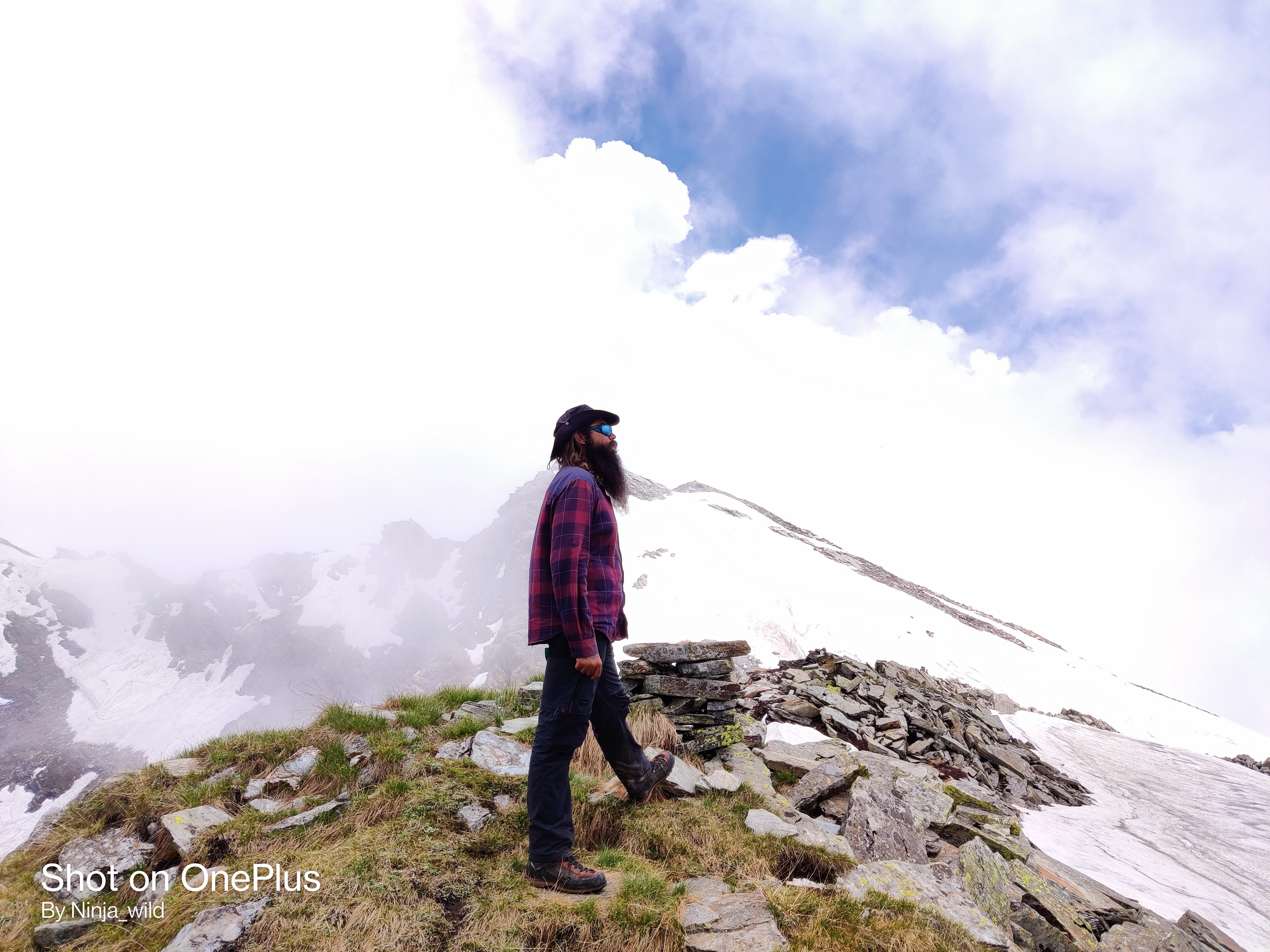
The certified mountaineer who also happens to be a trek leader has led numerous Himalayas summits and done several expeditions, including Kashmir Great Lakes Trek, Tarsar Marsar Trek, Pir Panjal Lakes Trek in Kashmir, Kedarkantha Trek, Brahmatal trek and Gulabi Kantha in Uttarakhand, Patalsu Peak, and Hampta Pass in Himachal Pradesh and many other treks in India.
Here are 20 essential trekking tips for you;
Search for the trek based on your current fitness level. However, beginners are recommended to choose easy to moderate level trek as they are encountering nature in raw form for the very first time. Once you have completed your first trek, modify the fitness routine to join your trek leader on much advanced treks. Remember, your motive is to enjoy the journey and not proving endurance.
Here are some beginner friendly treks; Kedarkantha Trek, Har ki Dun, Valley of Flowers, Dayara Bugyal in Uttarakhand and Tulian Lake Trek, Silent Meadows Trek, Tosa Maidan Trek and Marchoi Trek in Jammu and Kashmir.
Legends say that: “Pick a trek where you can enjoy the journey, not just survive it.”
Trekking in Himalayas is all about good endurance, balance diet, and more importantly mental strength. Start fitness training at least 4–6 weeks before your hike. Prominently focus on, brisk walk or jogging, leg strength training (climbing stairs), flexibility workouts, and breathing exercises for stamina.
To adjust better to thin air of mountain, a conditioned body works as a boon.
Regardless of fitness, AMS (Altitude Sickness) can affect your health. Yes! It is real.
Maintain the pace, walk gradually, keep patience during the climb, stay hydrated, and stop ascending once your trek leaders suggests you to.
Important Tip: inform your trek guide straightaway if any of the symptoms show up-dizziness, nausea, or headache.
What most first-time trekkers do is they carry loads of clothes and other unrequired essentials guessing they might need them. But the mantra is, pack your bag light as you have to walk and carrying the overloaded bag will slow down the speed and become unwanted burden. Make sure your backpack doesn’t weigh more than 8 KG.
Pack essentials that are shared by your trekking company. Here is the basic idea what one should carry for first trek:
Blisters are worst. This is one of the reasons why decline is more painful than incline. Wear well-fitted, broken-in trekking shoes. Cut your nails, and wrap athletic tape on your blister prone fingers before you star declining. Also, do not wear brand-new shoes on the day of summit. Take a walk in the city with your shoes.
At high altitudes, you lose water faster due to dry air and exertion. Drink water in small amount (not gulping) in every 20 to 25 minutes. Make sure to drink 3 liters of water daily.
For balanced hydration add ORS or electrolyte tablets. Dehydration leads to altitude sickness. Be prepared in advance.
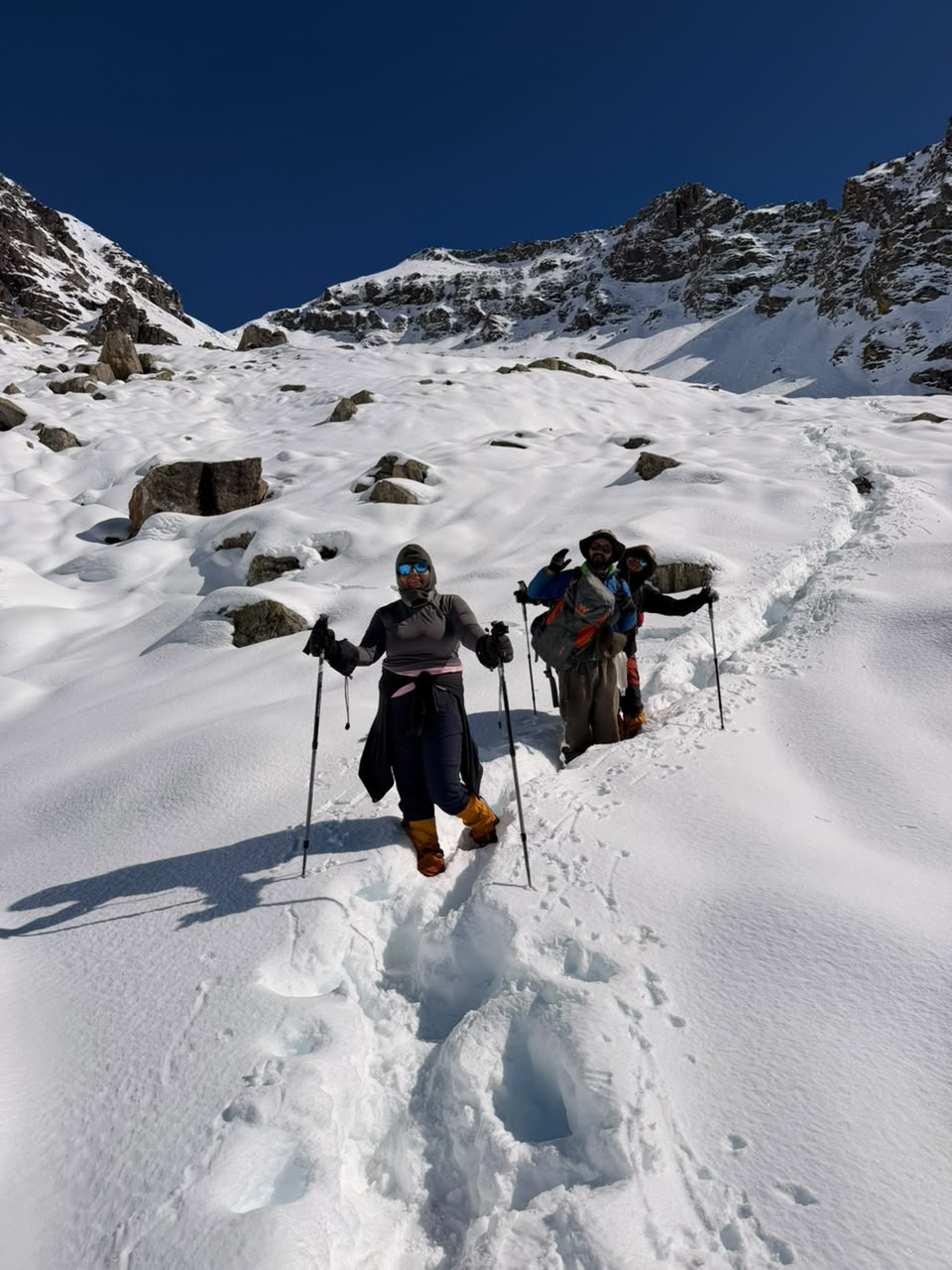
The weather in mountain is unpredictable; especially when you are doing Kashmir Treks in summer. The weather can shift from pleasant to snowy in minutes. So learn about smart layering.
To regulate body temperature efficiently in the every changing weather, layering should be balanced as well as comfortable.
A true trekker must take memories home and leave only footprints behind. Responsible trekkers keep the trail clean for future voyagers.
Always pick a certified trek leader and follow their instruction; be it route, weather shift, or rest. Trekking is about teamwork and applying discipline ensures safe journey. A trusted leader ensures mountain safety by carrying first aid, and assisting in terrain navigation. Following their instruction is important as are taking based on the prior experience and risk assessment.
Mountains talk, you just have to pay attention. Their unspoken code includes:
Expert says: “Respect pace and peace of others.”
Mantra: “Slow is steady, steady is strong.”
Whether you are choosing an easy trail like Marchoi Trek or difficult one like KGL trek, here are following tips you should follow before packing your bag;
A famous quote by one mountaineer: “Your body climbs the mountain, but your mind keeps you there.”
Note: Happy feet mean happy trekkers.
Summits can wait — safety cannot.
Always check with your trekking agency before departure, and even on sunny mornings keep rain gear handy.
Mountain gives you opportunity to learn things you never knew you’d have to. Carry a first-aid pouch with basic items like: cotton, band-aids, crepe bandage, antiseptic cream, Diamox (if allowed by the trek leader), and painkillers. Carry personal medication prescribed by the doctor.
It is always good to learn about safety and first-aid from your expert guide to build self-reliance.
When the sky turns black and stars become your light it is time to call it a day. Good rest is important for current day’s recovery. Sleeping liners, zipping bag fully and wearing dry thermals can help you sleep comfortably. Sleeping closer to tent flaps may be a bad idea as cold air seeps in; it will disturb the sleep. A warm night’s sleep is very crucial for summit day.
These days, trekkers forget the difference between creating a memory and recording the proof. Every step in the Himalayas is Instagram worthy, but at what cost? Chasing perfect shot will snatch the perfect peaceful moment. Sitting quietly by the lake, feeling the snow and listening to the whispers of wind coming through the pines; luxury, aren’t they?
Relive the sunrise first and later click the picture.
Don’t trek because friends did so. Trek for your heart. Trek to meet the nature in its raw form. Trek to find the peace within you. It is not something that should be in your bucket list, it should be your perspective. The mountains reward those who have patience for the summit, respect for the nature and carry humility with each step.
What our Certified Mountaineer concluded?
Every trek done in Himalaya, like Kashmir Great Lakes, Tarsar Marsar Trek or Tulian Trek, they teach you something about yourself and not just about the mountain.
Here is a pre-trek checklist as bonus for our future trekkers;
The more you are well-prepared, the more you get to enjoy the nature without any stress.
The content has been curated from certified mountaineer and trek leader associated with Thin Air Expedition, who has trained in mountaineering both basic and advanced from the prestigious NIM (Nehru Institute of Mountaineering) and has led several Himalayan summit and expeditions across Uttarakhand, Himachal, and Kashmir.
Book your first trek here.